Drought-Tolerant Yards Contra Costa County, CA

Your Yard, Thriving—Without the Water Bill

California’s water restrictions aren’t going anywhere, but your yard doesn’t have to look like it. Drought-tolerant landscaping cuts your outdoor water use by up to 60%, saves you thousands on bills, and keeps your property looking sharp year-round—even during the driest months.
A modern, single-story house with large glass doors opens to a green lawn and minimal landscaping, surrounded by trees and plants under a clear blue sky—crafted with expert General Contractor Services Bay Area, CA.

Get a Free Estimate Today!

Don’t compromise on quality. Hire only the best.

Approved FHA Title I Lender

Financing Through Service Finance Company

Service Finance Company, LLC is a nationally licensed sales finance company providing outstanding financial solutions to homeowners looking to invest in their homes.

Flexible Financing Options

Choose from a variety of loan term options to find the one that fits your financial plan best — so your home improvements work with your budget, not against it.

Quick & Easy Approvals

Get a fast credit decision with a simple, streamlined application process. Less waiting means you can start your project sooner.

No Equity Required

Unlike traditional financing methods, you don't need home equity to qualify. Open the door to improvements regardless of how long you've owned your home.

Competitive Rates

Service Finance offers competitive rates to ensure your home improvements are both beneficial and affordable — maximizing the value of every dollar.

Fund Your Home Improvement Project Today

From energy-efficient upgrades to a complete home makeover, Service Finance LLC provides financing solutions so you can invest in your home without the financial worry.

Apply for Financing No obligation · Quick credit decision

Over 40 Years Combined Experience

Four decades serving Contra Costa and Alameda Counties means we know Bay Area soil, climate, and what actually thrives here without constant watering.

Dual Licensed General Contractor

Both general contractor and roofing licenses let us handle your entire outdoor transformation—hardscaping, irrigation, planting—without coordinating multiple crews.

Never Get Burnt Guarantee

No upfront payments. Flexible financing options. You only pay as work gets completed to your satisfaction, protecting your investment every step of the way.

BBB Accredited and Certified

Industry certifications and BBB accreditation back every project, plus $2 million in insurance coverage gives you complete peace of mind during installation.

Our Related Services!

Commercial Build Outs

Project Management & Permitting

Foundation & Structural Work

Blueprints & Architectural Planning

Custom Cabinetry

Kitchen Islands

Kitchen Countertops

Luxury Master Suites

Walk In Showers

Powder Rooms

Hardwood Installation

Tile Flooring

Luxury Vinyl Plank

Cabinet Refinishing

Trim Painting

Custom Finishes

Detached Adus

Rental Suite Roi

Attached Adus

Junior Adu

Guest Suite Additions

Garage To Living Conversions

Roof Replacement

Asphalt Shingle

Tile Roofing

Metal Roofing

Roof Repairs

Leak Detection

Stucco Repair

Paver Patios

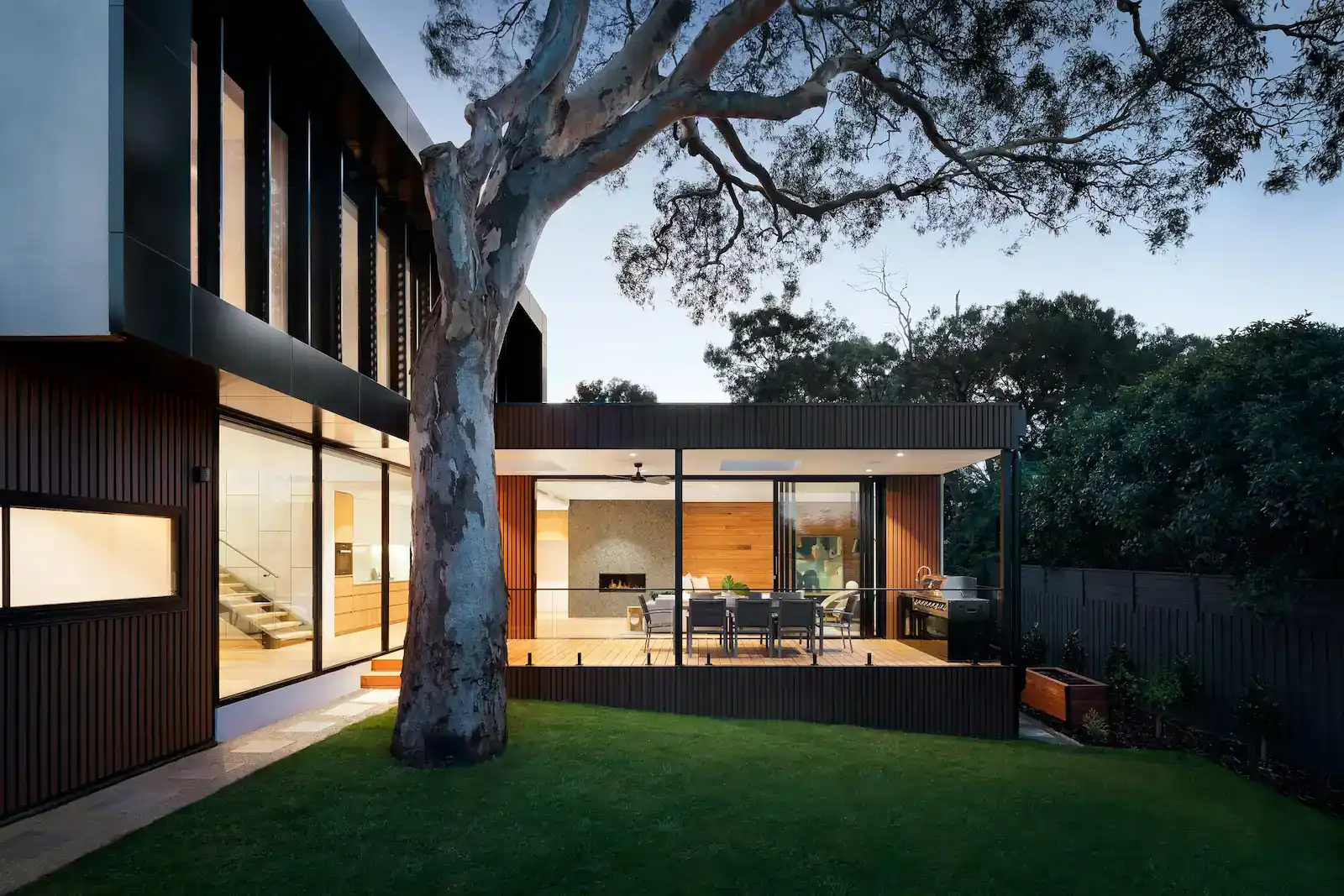
Modern house in CA with large windows and a covered outdoor dining area, surrounded by trees and green lawn at dusk. Warm lights illuminate the wooden interior and exterior, creating a cozy atmosphere—crafted by a general contractor Contra Costa & Alameda County.

Water-Wise Landscaping Bay Area California

Landscapes Built for California's Reality

Your lawn is drinking up half your home’s water supply while you’re paying for the privilege. That’s the reality across California, where landscape irrigation accounts for 50% of residential water use—far above the national average. Drought-tolerant yards flip that equation. Native plants adapted to Bay Area conditions, strategic rock gardens that prevent erosion, and xeriscaping techniques that work with California’s climate instead of against it. The result is outdoor space that looks better, costs less, and doesn’t leave you stressed every time a water restriction notice shows up. This isn’t about settling for a desert look. It’s about choosing plants that were designed for this exact climate—vibrant California poppies, hardy manzanita, Mediterranean herbs that thrive in summer heat. Combined with smart hardscaping and efficient drip irrigation, your yard becomes self-sustaining.

Sustainable Yards Contra Costa Alameda Counties

What You Actually Get From Going Water-Wise

Beyond saving water, drought-tolerant landscaping transforms how you use your outdoor space and how much you spend maintaining it.

Your water bill drops by 40-60% once established plants take root and your irrigation system runs a fraction of the time.
You qualify for rebates up to $2,000 from local water districts for lawn conversion—money back in your pocket for doing the right thing.
Weekend mornings are yours again because native plants don’t need mowing, constant fertilizing, or the maintenance schedule traditional lawns demand.
Your yard looks vibrant year-round with plants blooming at different times, not just green in spring and brown by August.
Property values climb because buyers in California increasingly want homes with water-efficient landscapes that won’t drain their budget.
You stop worrying about water restrictions and drought notices because your landscape was built to handle California’s dry reality.
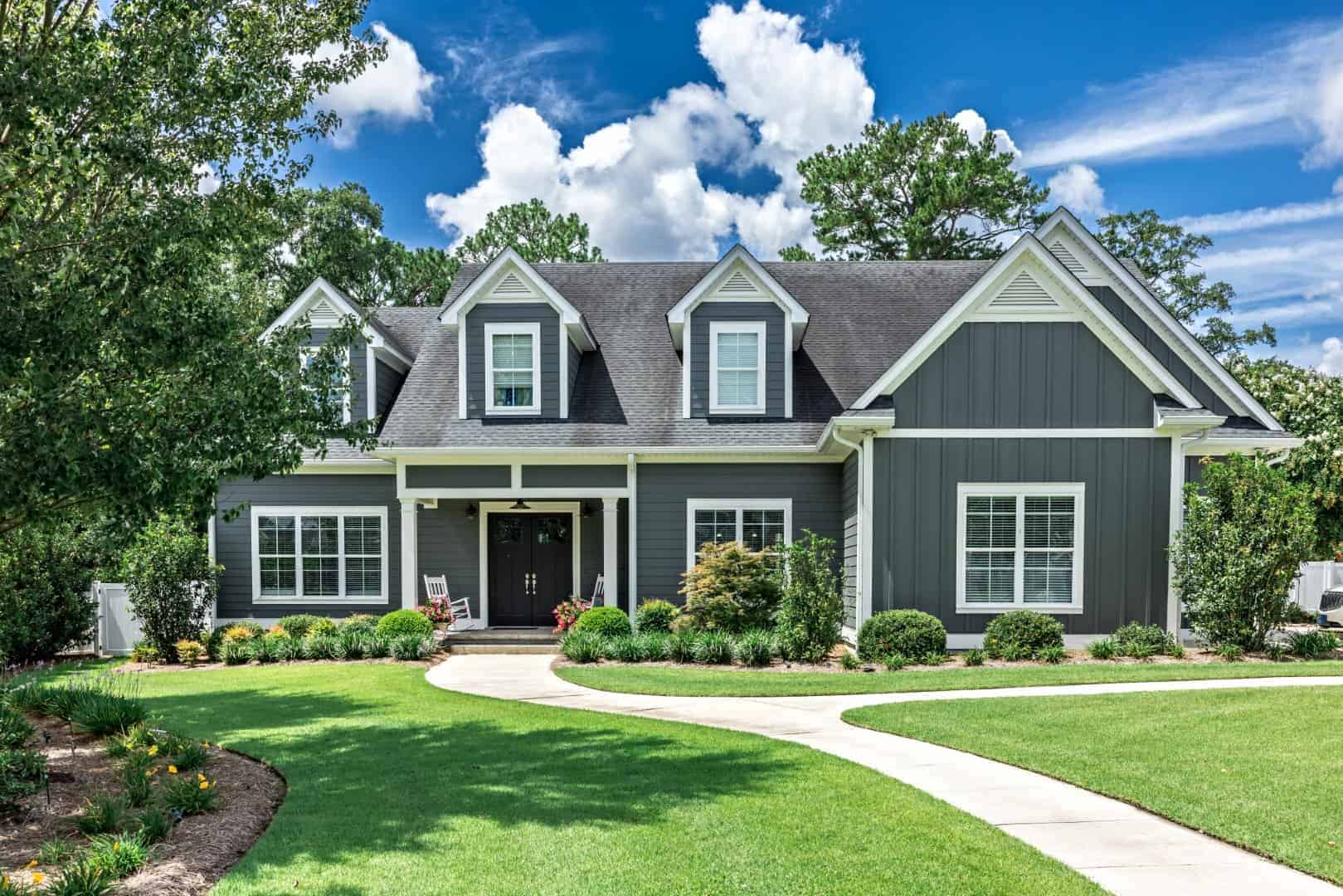
A modern gray house with white trim, large windows, and a covered front porch. A curved sidewalk leads through a well-manicured lawn with bushes and trees under a blue sky with scattered clouds.

Native Plants Xeriscaping Bay Area

Plants That Actually Want to Live Here

The reason your lawn struggles isn’t you. It’s because turf grass was never meant for California’s Mediterranean climate. Those species evolved in regions with summer rain, which we don’t get. Native plants and drought-adapted species have the opposite problem—they’re built for exactly this. Deep root systems that tap into moisture below the surface. Natural resistance to local pests without chemical treatments. The ability to go months without supplemental water once established. California poppies, manzanita, lavender, rosemary, and dozens of other species that deliver color and texture without the water dependency. Rock gardens work the same way. Strategically placed boulders and gravel don’t just look good—they prevent erosion on slopes, maintain soil moisture by reducing evaporation, and create microclimates where plants thrive. Combined with mulch that breaks down and enriches your soil, you’re building an ecosystem that gets stronger over time instead of more demanding.
A modern house with large glass windows and wooden accents sits amid lush greenery, expertly crafted by a general contractor in Contra Costa & Alameda County, CA. A well-kept lawn and trees cast gentle shadows in the warm afternoon light.

Rock Gardens Water Conservation California

What Goes Into a Professional Installation

A drought-tolerant yard isn’t just ripping out grass and throwing down gravel. That’s how you end up with a project that looks unfinished and plants that struggle. Professional installation means soil preparation, proper grading for drainage, and plant selection based on your specific sun exposure and microclimates. We start with site assessment—where water pools, which areas get full sun, what your soil composition looks like. Then comes design that groups plants by water needs so your irrigation system delivers exactly what each zone requires. Drip irrigation with smart controllers that adjust based on weather conditions, not arbitrary timers. Hardscaping elements like pathways, rock gardens, and permeable surfaces that let rainwater soak in instead of running off. The installation includes removing old turf properly, amending soil with compost to support plant health, installing efficient irrigation, and strategic placement of every plant and rock. Optional cleaning service means you’re not dealing with construction dust for weeks after we finish. You get outdoor space that looks intentional, functions efficiently, and improves every season as plants mature.

Frequently Asked Questions

How much water do drought-tolerant yards actually save compared to traditional lawns?
Established drought-tolerant landscapes can reduce outdoor water use by 40-60% compared to traditional turf lawns. In real numbers, homeowners typically save around 5,000 gallons per year once plants are established. The savings come from multiple sources: native plants that don’t need constant irrigation, efficient drip systems that deliver water directly to roots instead of spraying it into the air where it evaporates, and smart controllers that adjust watering based on actual weather conditions instead of running on fixed schedules. During California’s dry summer months, a traditional lawn might need watering three times per week, while a properly designed drought-tolerant yard might need supplemental water once every two weeks or not at all once fully established.
Contra Costa Water District and East Bay MUD both offer lawn conversion rebates of $1 per square foot of turf removed, with residential customers eligible for up to $2,000 per property. The rebate programs require that you replace the lawn with water-efficient landscaping—not just remove grass and leave bare dirt or install artificial turf in all cases. Your new landscape needs to include a mix of drought-tolerant plants, efficient irrigation, and permeable surfaces. We help clients navigate the application process and ensure the design meets all rebate requirements. Some water districts also offer additional rebates for installing weather-based irrigation controllers or rainwater capture systems. The rebate application typically needs to be submitted before starting work, with final payment issued after inspection confirms the installation meets program standards.
This is the biggest misconception about water-wise landscaping. Properly designed drought-tolerant yards are often more colorful and visually interesting than traditional lawns. California native plants bloom at different times throughout the year, giving you changing colors and textures across seasons. Think vibrant orange California poppies, purple salvia, golden yarrow, and the deep greens of manzanita and rosemary. Rock gardens add structure and visual interest with varied stone colors and sizes. The key is working with a designer who understands plant selection and knows how to create layers—taller plants in back, groundcovers in front, strategic placement of boulders and gravel. Many homeowners find their drought-tolerant yards get more compliments from neighbors than their old lawns ever did because there’s actual variety to look at instead of just flat green grass.
Most drought-tolerant plants need about one growing season—roughly 6-12 months—to establish deep root systems and become truly water-independent. During this establishment period, you’ll still need to water regularly to help roots grow deep, but the frequency and amount are less than traditional landscaping requires. Once established, many California native plants can survive on natural rainfall alone, though occasional deep watering during extended dry periods helps them look their best. The timeline varies by plant type: groundcovers and perennials establish faster, usually within 6-8 months, while shrubs and small trees might take a full year. The investment in that first year pays off for decades because established drought-tolerant plants become more resilient over time, not more demanding like lawns that need constant intervention.
Simple projects like replacing a small lawn area with groundcover and mulch can be DIY-friendly if you’re comfortable with physical labor and basic landscaping. However, professional installation makes sense for larger projects or when you want results that last. The challenges DIYers face include improper soil grading that causes drainage problems, irrigation systems that waste water instead of conserving it, and plant selection that doesn’t account for microclimates in your yard. A plant that thrives in full sun will struggle in partial shade, and figuring out those details requires experience. Professional installation also handles permit requirements if needed, ensures proper soil amendment so plants actually establish, and includes warranties on both materials and labor. For most homeowners, the difference in final results and long-term performance justifies the cost—especially when rebates offset a significant portion of the investment.
Drought-tolerant yards need far less maintenance than traditional lawns, but they’re not zero-maintenance. During the first year, you’ll water regularly to help plants establish—usually 2-3 times per week depending on weather and plant types. After establishment, watering drops to occasional deep soaking during extended dry periods. Weeding is important in the first few years before plants fill in and shade out weed growth; mulch helps suppress weeds naturally. Pruning requirements vary by plant—some California natives benefit from light trimming after blooming to maintain shape, while others thrive on neglect. You won’t be mowing weekly like with lawns, but you might trim back overgrown areas once or twice per year. Drip irrigation systems need occasional checks to ensure emitters aren’t clogged. Overall, most homeowners spend a few hours per month on maintenance instead of several hours every week.

Site Assessment and Design

We evaluate your property’s sun exposure, drainage patterns, and soil conditions, then design a water-wise landscape that matches your style and budget.

Professional Installation and Irrigation

Our crews remove old turf, prepare soil properly, install efficient drip irrigation systems, and place every plant and hardscape element according to plan.

Establishment and Ongoing Support

You receive care instructions for the establishment period, plus optional maintenance services to keep your drought-tolerant yard thriving for decades.
Scroll to Top