Tile Flooring Contra Costa & Alameda County

Tile That Lasts Without the Installation Nightmares

You need flooring that handles spills, foot traffic, and daily life without constant maintenance. We install ceramic tile, porcelain flooring, and custom layouts that protect your investment for decades—with zero upfront payments and a crew that actually shows up.
A general contractor in Contra Costa & Alameda County, CA, installs wooden laminate flooring, carefully aligning planks on a foam underlay with a hammer nearby.

Get a Free Estimate Today!

Don’t compromise on quality. Hire only the best.

Approved FHA Title I Lender

Financing Through Service Finance Company

Service Finance Company, LLC is a nationally licensed sales finance company providing outstanding financial solutions to homeowners looking to invest in their homes.

Flexible Financing Options

Choose from a variety of loan term options to find the one that fits your financial plan best — so your home improvements work with your budget, not against it.

Quick & Easy Approvals

Get a fast credit decision with a simple, streamlined application process. Less waiting means you can start your project sooner.

No Equity Required

Unlike traditional financing methods, you don't need home equity to qualify. Open the door to improvements regardless of how long you've owned your home.

Competitive Rates

Service Finance offers competitive rates to ensure your home improvements are both beneficial and affordable — maximizing the value of every dollar.

Fund Your Home Improvement Project Today

From energy-efficient upgrades to a complete home makeover, Service Finance LLC provides financing solutions so you can invest in your home without the financial worry.

Apply for Financing No obligation · Quick credit decision

Dual Licensed One-Stop Service

We hold both general contractor and roofing licenses, so you get complete project management without coordinating multiple companies or dealing with subcontractor delays.

Four Decades Bay Area Experience

We’ve been installing tile flooring in Contra Costa and Alameda counties for over 40 years. We know local codes, permit processes, and what works in Bay Area homes.

Never Get Burnt Guarantee

No upfront payments. You only pay as work is completed to your satisfaction. No contractor cash flow games, no disappearing acts, no excuses.

Dedicated Project Management Included

Every tile installation gets a dedicated project manager who provides weekly updates, coordinates all trades, and protects your home throughout the process.
Smiling man in a plaid shirt and tool belt stands in a partially renovated room with construction materials and tools around him, representing General Contractor Services Bay Area, CA, as he rests a hand on a wooden plank.

Professional Tile Installation Bay Area

Tile Flooring Built to Handle Real Life

Tile flooring isn’t just about picking a pattern you like. It’s about choosing materials that resist water damage in your bathroom, withstand dropped pans in your kitchen, and still look good fifteen years from now. Porcelain tile offers superior water resistance for high-moisture areas. Ceramic tile provides durability and design flexibility for living spaces. The difference comes down to installation quality—proper substrate preparation, correct adhesive selection, and precise leveling that prevent cracking and loose tiles down the road.

We install everything from classic subway tile backsplashes to large-format porcelain flooring with minimal grout lines. Whether you’re updating a single bathroom or tiling your entire main floor, you get the same attention to detail and project management that’s kept us in business for four decades.

Benefits of Professional Tile Installation

What You Actually Get from Quality Tile Work

The right tile, installed correctly, solves problems other flooring materials can't touch. Here's what changes when you stop worrying about your floors.

Water damage becomes a non-issue in bathrooms and kitchens because porcelain and ceramic tile resist moisture penetration that destroys other flooring types.
You’ll clean your floors in minutes instead of hours since tile surfaces don’t absorb spills, stains, or odors like carpet or unsealed wood.
Your home value increases immediately because quality tile installation is a sought-after feature that appeals to buyers in competitive Bay Area markets.
Pet accidents, dropped dishes, and heavy foot traffic won’t ruin your investment since properly installed tile withstands impacts that crack or dent softer materials.
Allergen concerns decrease substantially because tile doesn’t trap dust, pollen, or dander the way carpet fibers do—just mop and you’re done.
You’ll avoid the replacement cycle entirely since professional tile installation lasts 20-30 years without needing refinishing, resealing, or major repairs.
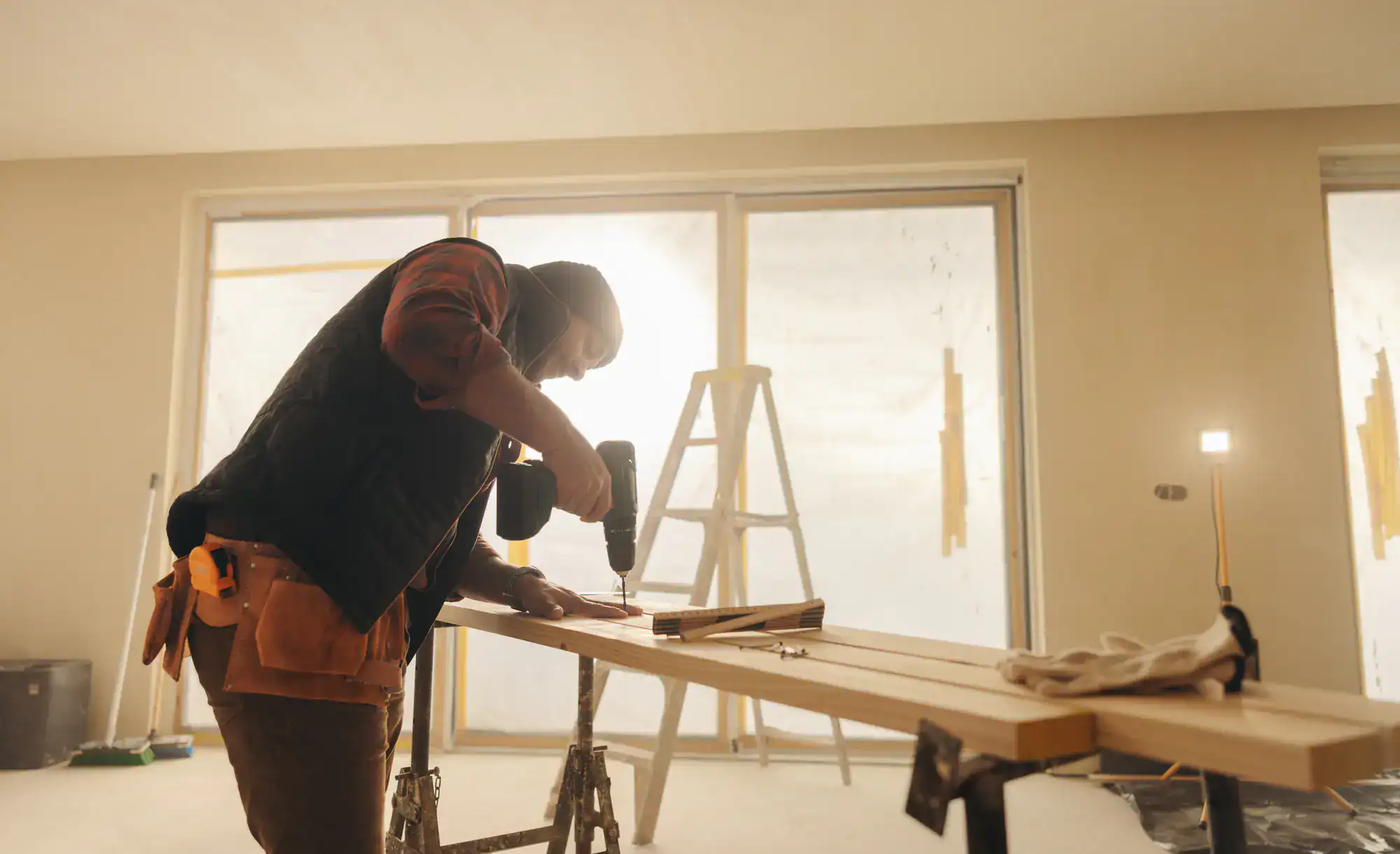
A person wearing a beanie and tool belt uses a power drill on a wooden plank in a sunlit CA room under renovation. A ladder, bright windows, and construction tools suggest the work of a general contractor Contra Costa & Alameda County.

Porcelain vs Ceramic Tile Flooring

Choosing Between Porcelain and Ceramic Tile

The porcelain versus ceramic tile question comes up on every project. Both are fired clay products, but porcelain uses finer clay and higher temperatures, creating a denser, less porous material. That density makes porcelain nearly waterproof—it absorbs less than 0.5% water, which is why it’s the go-to choice for shower floors, bathroom tile installations, and areas that see standing water.

Ceramic tile absorbs slightly more moisture but costs less and comes in more design options. For kitchen flooring, living areas, or spaces where water exposure is minimal, ceramic performs beautifully and gives you more budget for other upgrades. The real issue isn’t which material is “better”—it’s which one fits your specific room conditions and how you use the space.

What matters more than tile type is installation quality. We’ve seen expensive porcelain fail because the installer skipped waterproofing membranes or used mastic instead of thin-set in wet areas. We’ve also seen budget ceramic tile last decades because it was installed correctly with proper substrate preparation and sealed grout lines. The material choice matters, but the installation determines whether your tile flooring actually delivers on its promises.

A close-up view of a polished wooden floor by a general contractor Contra Costa & Alameda County, with rich brown planks reflecting light from large CA windows in the background.

Custom Tile Patterns and Layouts

Tile Layouts That Match Your Style

Standard grid patterns work fine, but herringbone, chevron, basketweave, and diagonal layouts add visual interest without costing dramatically more. The key is planning your layout before installation starts so you’re not stuck with awkward cuts at doorways or misaligned patterns where walls meet.

We handle everything from simple bathroom tile updates to complex kitchen backsplash designs that incorporate multiple tile sizes and accent pieces. Your tile installation includes precise measurements, layout mockups, and cuts that look intentional instead of like someone ran out of full tiles. Large-format tiles create a seamless modern look with fewer grout lines to maintain. Smaller mosaic patterns add texture and slip resistance in shower floors.

The tile backsplash behind your range deserves the same planning as your floor. We coordinate tile selection across your kitchen flooring and backsplash so the finished space feels cohesive instead of like two separate projects that happened to end up in the same room.

Frequently Asked Questions

How long does tile flooring installation take for a typical bathroom or kitchen?
A standard bathroom tile installation typically takes 3-5 days from start to finish, including substrate preparation, tile setting, grout curing time, and sealing. Kitchen flooring projects range from 4-7 days depending on square footage and layout complexity. These timelines assume we’re working on one room at a time and include proper curing periods—rushing tile installation to meet unrealistic deadlines is how you end up with cracked tiles and failed grout lines six months later. We provide a detailed timeline during your consultation based on your specific project scope. If you’re doing both bathroom tile and kitchen flooring as part of a larger remodel, we coordinate the schedule with other trades to minimize disruption to your daily routine.
In Contra Costa and Alameda counties, standard ceramic tiling involves a modest commitment for supplies and craftsmanship, while porcelain surfaces require a deeper investment. The variation in resources reflects the premium moisture protection and longevity of porcelain—it is tougher, more difficult to shape, and demands more technical installation skill. For a typical small washroom, you are viewing a practical range for ceramic compared to a more significant requirement for porcelain. Regardless, the supply expense is only one piece of the puzzle. Weak assembly of high-end porcelain is more burdensome over time than expert installation of reliable mid-grade ceramic. We guide you through choices that match your financial plan and functional goals without steering you toward extra features you do not need.
The tile itself typically doesn’t need sealing—glazed ceramic and porcelain tiles are already water-resistant. Natural stone tiles like marble or travertine do require sealing, but that’s a different category. What needs attention is your grout. Grout is porous and will absorb water, stains, and spills if left unsealed. We seal all grout lines as part of your installation, which protects against moisture penetration and makes cleaning easier. How often you reseal depends on traffic and use—high-traffic kitchen flooring may need resealing every 1-2 years, while a guest bathroom might go 3-4 years. You’ll know it’s time when water stops beading on grout lines and starts soaking in. Resealing is a straightforward process you can handle yourself, or we can take care of it during routine maintenance visits.
It depends on what’s underneath and its condition. Installing tile over existing vinyl or linoleum is possible if the surface is smooth, firmly attached, and level—but it’s rarely the best choice because you’re building on a potentially unstable base. Installing over old ceramic tile can work in some cases, but you’re adding height that affects door clearances and transitions to other rooms. Most tile installations require removing existing flooring down to the subfloor. This lets us inspect for water damage, level any dips or humps, and install proper underlayment or waterproof membranes where needed. Yes, removal adds cost and mess, but it’s how you avoid tiles cracking six months later because they were set over a flexing vinyl floor. We assess your specific situation during consultation and explain exactly what’s required and why.
Tile size affects both aesthetics and maintenance. Large-format tiles (12×24 inches or bigger) create a seamless modern look with fewer grout lines to clean, but they require perfectly level substrates—any dips or humps show up as lippage between tiles. Smaller tiles are more forgiving on slightly uneven floors and provide better slip resistance in wet areas like shower floors. For small bathrooms, large tiles can actually make the space feel bigger by reducing visual breaks. In kitchens, medium-sized tiles (8×8 to 12×12) balance easy cleaning with installation flexibility. Pattern choice comes down to your home’s style and how much visual interest you want. Classic grid layouts are timeless and budget-friendly. Herringbone and chevron patterns add movement and sophistication but increase installation time. We bring samples to your home so you can see how different sizes and patterns look in your actual lighting before making final decisions.
Most tile failures trace back to three issues: poor substrate preparation, wrong adhesive choice, and skipped waterproofing. If your subfloor isn’t level and stable, tiles will crack as the floor flexes. If the installer uses mastic in a wet area instead of thin-set mortar, tiles loosen and fall off. If waterproof membranes aren’t installed behind shower tile, water seeps through and rots the structure behind your walls. You avoid these problems by hiring licensed contractors who follow proper installation protocols instead of the cheapest bid who cuts corners you won’t see until it’s too late. Ask potential contractors specific questions: What adhesive do they use for bathroom tile? How do they prepare substrates? Do they install waterproof membranes in showers? If they can’t answer or seem annoyed by the questions, that’s your sign to keep looking. We’re happy to explain every step because we know proper installation is what separates tile that lasts from tile that fails.

Consultation and Material Selection

We assess your space, discuss tile options for your specific needs, and provide clear pricing. No pressure, just straight talk about what works and what doesn’t.

Preparation and Protection

We protect your home with meticulous site coverings, remove existing flooring if needed, and prepare substrates properly so tiles bond correctly and stay level.

Installation and Finishing

Tiles are set with proper adhesive, leveled precisely to prevent lippage, grouted with quality materials, and sealed. Optional cleaning service means you enjoy your new floors immediately.
Scroll to Top