Garage-to-Living Conversions Contra Costa County

Turn Unused Space Into Real Living Space
Your garage could be the home office, guest suite, or rental unit you’ve been needing. We handle everything from permits to final inspection—no upfront payment required, just transparent work that actually gets finished.
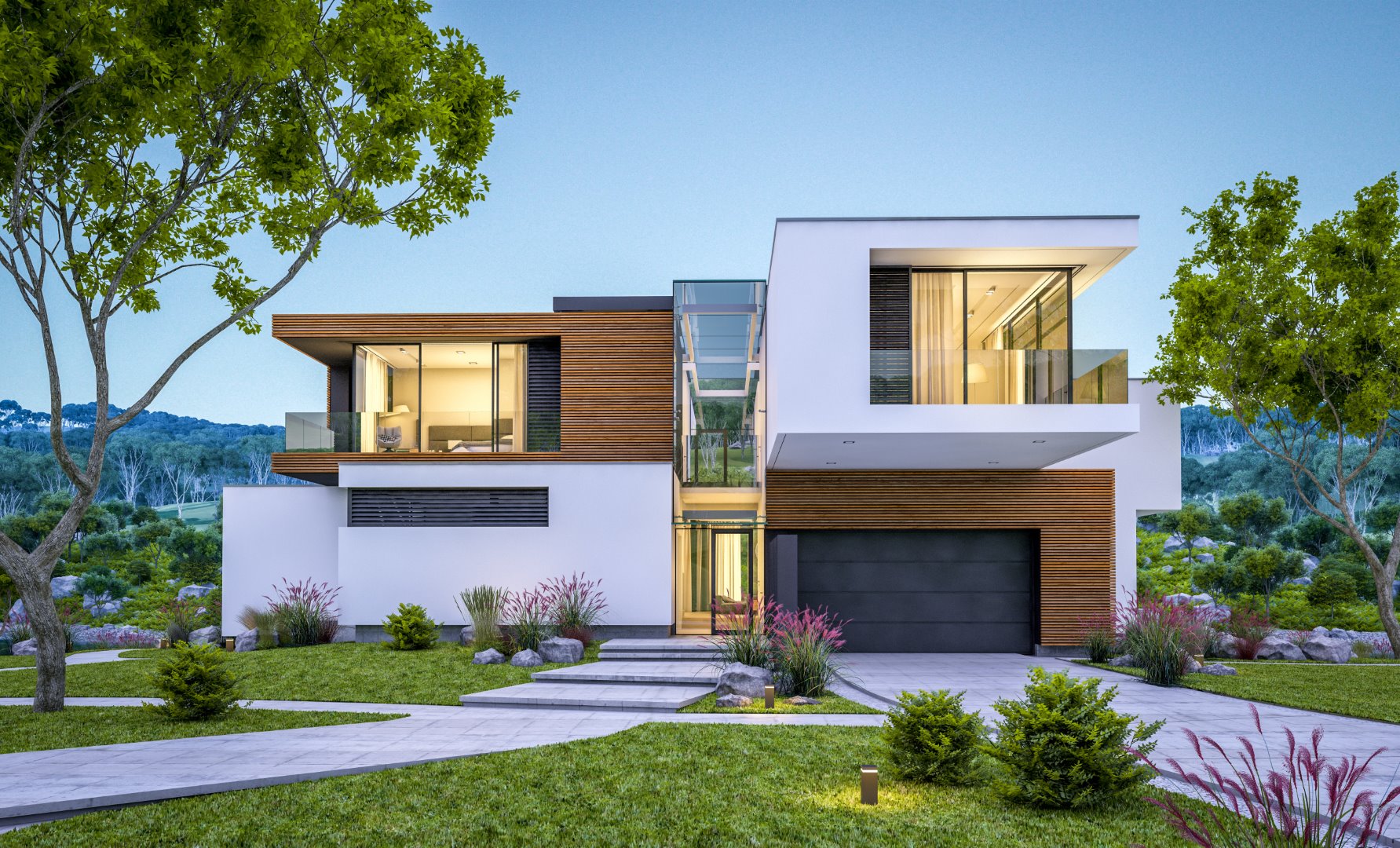
Modern two-story house with a flat roof, large windows, glass balcony, and wood paneling. Expertly built with General Contractor Services Bay Area, CA. Features driveway, garage, lush greenery, and illuminated front path.

Get a Free Estimate Today!

Don’t compromise on quality. Hire only the best.

Approved FHA Title I Lender

Financing Through Service Finance Company

Service Finance Company, LLC is a nationally licensed sales finance company providing outstanding financial solutions to homeowners looking to invest in their homes.

Flexible Financing Options

Choose from a variety of loan term options to find the one that fits your financial plan best — so your home improvements work with your budget, not against it.

Quick & Easy Approvals

Get a fast credit decision with a simple, streamlined application process. Less waiting means you can start your project sooner.

No Equity Required

Unlike traditional financing methods, you don't need home equity to qualify. Open the door to improvements regardless of how long you've owned your home.

Competitive Rates

Service Finance offers competitive rates to ensure your home improvements are both beneficial and affordable — maximizing the value of every dollar.

Fund Your Home Improvement Project Today

From energy-efficient upgrades to a complete home makeover, Service Finance LLC provides financing solutions so you can invest in your home without the financial worry.

Apply for Financing No obligation · Quick credit decision

Dual Licensed Contractor

We hold both general contractor and roofing licenses, so your entire project stays in-house without subcontracting critical work to strangers.

Over 40 Years Combined Experience

Four decades working in Contra Costa and Alameda counties means we know local codes, permit processes, and what actually works in Bay Area homes.

BBB Accredited Business

Third-party verification of our business practices and customer satisfaction record, not just our word that we do things right.

Never Get Burnt Guarantee

Zero money down to start your project, flexible financing available, and transparent communication throughout—because your investment should be protected.
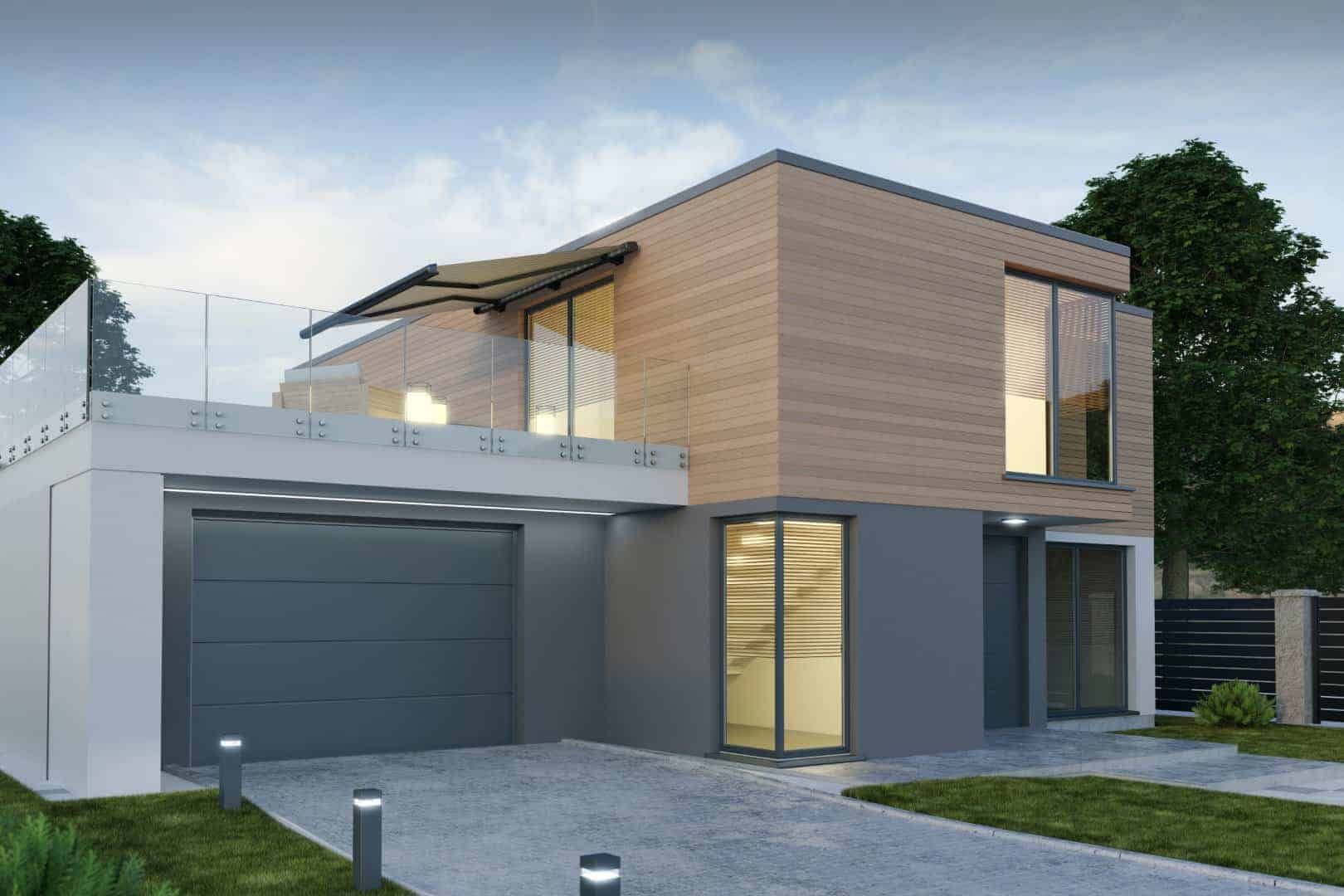
Modern two-story house with large glass windows, wood and white paneling, a balcony, and black garage door—expertly crafted by a general contractor Contra Costa & Alameda County, CA—surrounded by green landscaping and a stone walkway under a clear sky.

Garage Conversion Contractor Alameda County

What a Garage-to-Living Conversion Actually Involves

A garage-to-living conversion transforms that underused space into a fully functional room—whether that’s a home office, guest bedroom, rental unit, or studio. The process addresses everything from structural requirements and insulation to electrical, plumbing, and proper permits. In Contra Costa and Alameda Counties, this means meeting California’s Title 24 energy standards, handling moisture barriers for concrete floors, upgrading electrical panels, and ensuring proper ventilation and egress windows.

Most conversions take two to four months once permits are approved, though timelines depend on whether you’re adding plumbing for a bathroom or keeping things simpler with just living space. Either way, you’re working with an existing structure, which makes the whole process faster and more affordable than building from scratch.

The end result is square footage that actually works for how you live now—not just extra storage collecting junk you don’t need.

Garage Living Space Conversion Benefits

What You Actually Get From This

Beyond just more square footage, a garage conversion solves real problems—whether that's creating rental income, accommodating family, or finally having a dedicated workspace that doesn't double as your kitchen table.
You will increase your property’s market worth by a substantial margin with a fully authorized transformation anywhere in our local region.
If you choose to lease the space, you can expect a very healthy monthly income in today’s market—generous enough to effectively pay back your building expenses within a relatively short period.
Your work-from-home setup finally has actual walls and a door you can close when the day ends.
Aging parents or adult kids get their own private space without you having to move to a bigger house.
You’re done faster than new construction because the foundation, framing, and roof already exist—just need the right updates.
California law means you don’t have to replace the parking spot you’re converting, removing one of the biggest old roadblocks.
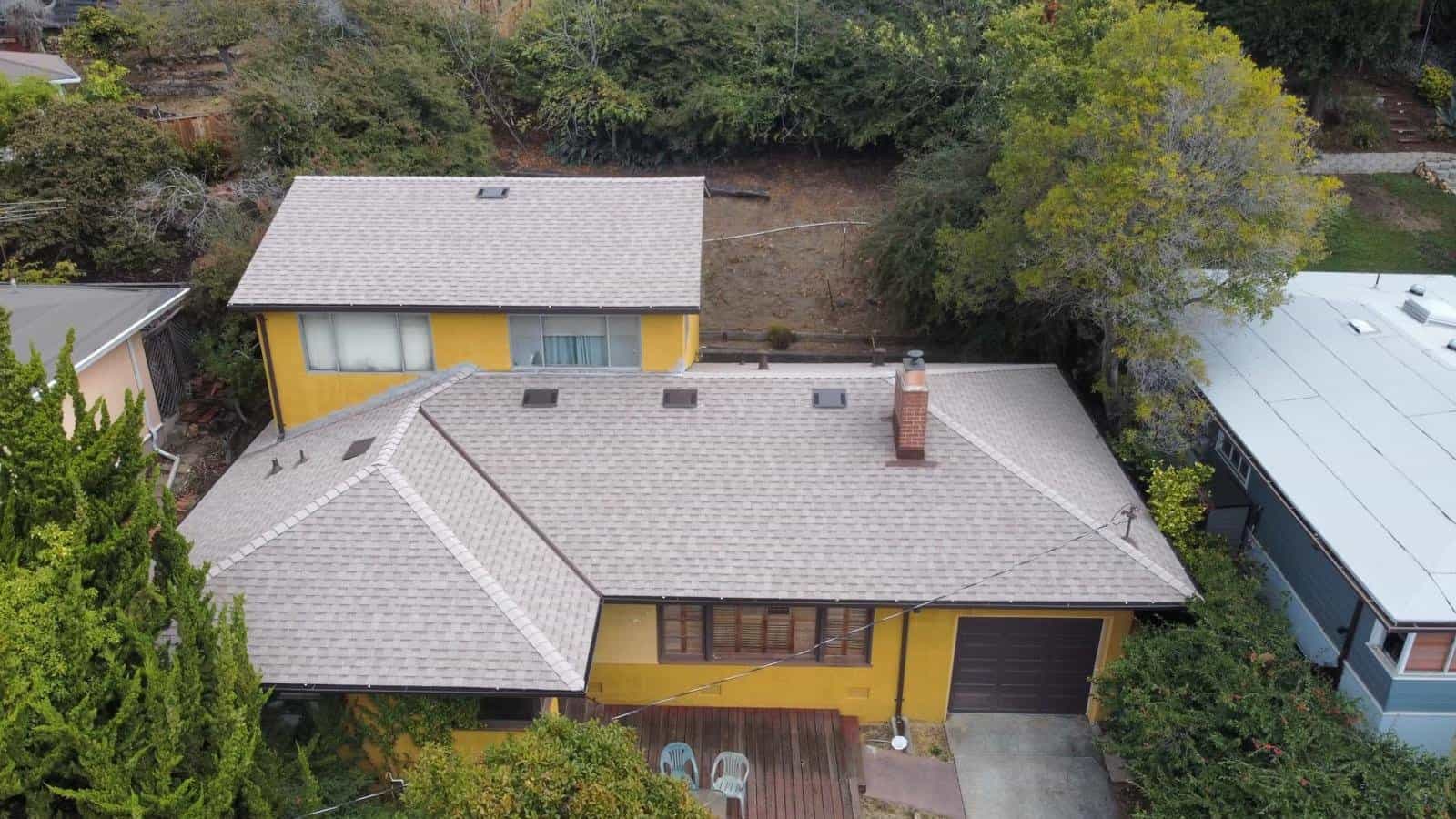
Aerial view of a yellow two-story house with a gray shingle roof, a chimney, and an attached garage. Located in CA, this home is surrounded by trees and bushes—perfect inspiration for any general contractor in Contra Costa & Alameda County.

Garage Office Studio Conversion Process

Why Most Garage Conversions Cost What They Do

In our region, transforming a garage into a livable room typically requires a specific investment range depending on your vision for the space. A straightforward home office or creative studio without running water sits on the more accessible end of the scale. However, adding a bathroom will increase your total commitment because of the additional plumbing lines, fixtures, and water heating systems required for a fully functional suite.

The other big cost driver is finish level. When your primary home has quartz countertops and quality flooring, a converted space with builder-grade materials feels out of place. Most Bay Area homeowners choose mid-range finishes that match the rest of their house, which is smart—it protects resale value and makes the space feel like it actually belongs.

Labor rates here are higher than most of California, and permit fees vary by city. But here’s what matters: a properly permitted conversion protects you at resale and adds real value. Unpermitted work creates problems with buyers and lenders, and you could end up tearing everything out. The permit cost is a small fraction of your total investment and worth every dollar.
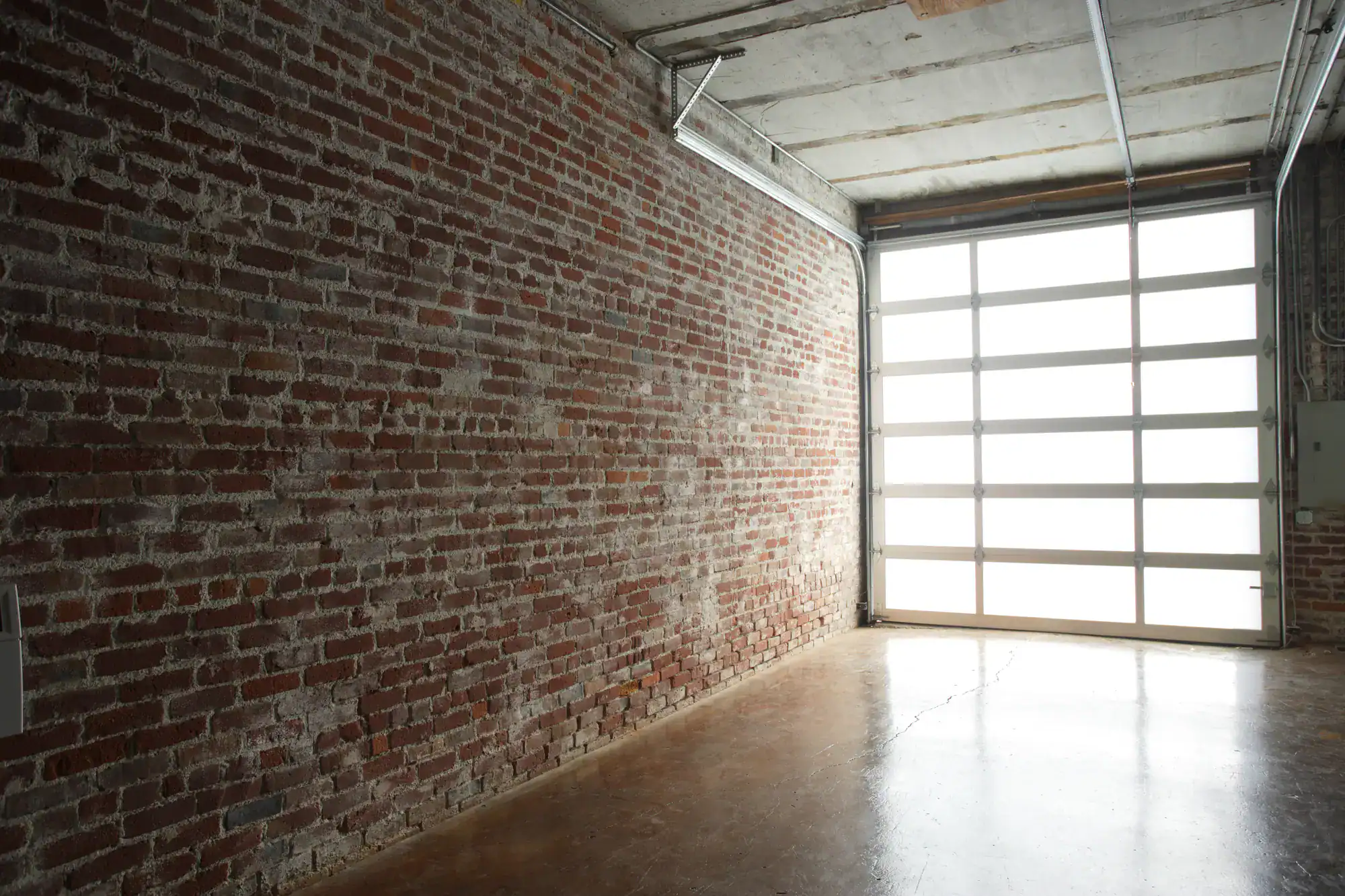
An empty room in CA with an exposed red brick wall, concrete floor, and a large glass garage door flooding the space with natural light—an ideal blank canvas for any general contractor Contra Costa & Alameda County to transform.

Garage Renovation Permit Requirements California

What's Included When We Handle Your Conversion

When you partner with our team for your project, we provide a full-service experience that covers every detail from the first sketch to the final walkthrough. We begin by handling all the necessary assessments and administrative hurdles, including architectural design and the procurement of all required local permits. You won’t have to worry about navigating city codes or coordinating with building departments; we manage the entire approval process to ensure your new living area or professional office is fully authorized and built to standard.

Beyond the paperwork, our conversion process includes a complete structural and system overhaul to transform your space into a comfortable, high-functioning environment. This encompasses everything from framing and high-quality insulation to the installation of dedicated electrical circuits, modern lighting, and efficient climate control systems. If your vision includes a new bathroom or kitchenette, we also manage all the complex plumbing and utility hookups. We finish every project with premium flooring, paint, and trim, delivering a polished, move-in-ready space that blends perfectly with your home’s existing style.

Frequently Asked Questions

How much does a garage-to-living conversion cost in Contra Costa or Alameda County?
Most garage transformations in our local region require a specific investment range this year, though the final total depends heavily on your vision for the space. A straightforward home office or creative studio without running water is the most accessible option. However, adding a bathroom increases your commitment because plumbing work—including new supply lines, drainage, and heating systems—adds significant complexity and cost to any project. Full secondary suites with both a kitchen and bath represent a larger investment. The other major factor is the caliber of the finishes. Since regional homes are high-quality, most owners choose materials that match their existing house rather than basic options that feel out of place. Professional labor rates here reflect the local market, and city fees differ by neighborhood. We provide clear, comprehensive projections upfront that break down every detail, so you know exactly how your resources are being used before any construction begins.
Yes, any garage-to-living transformation in our state requires official building permits. There is no legal shortcut, and attempting work without approval creates serious headaches. When you sell your home, buyers and their banks will notice the difference between property records and what is actually there. You could be forced to tear out the work or face steep daily penalties. The good news is that state laws have significantly simplified the approval process recently. Cities must now approve valid applications within two months, and they can no longer place unreasonable hurdles or block these projects entirely. This process ensures your new space meets modern safety codes for things like wiring, emergency exits, structural strength, and energy use. We manage all applications, organize every required inspection, and handle the back-and-forth with city offices as part of our work. Official fees vary depending on your specific town and project scale, but they represent a small part of your total project and protect you from much larger risks in the future.
Most garage conversions in the Bay Area take four to six months total from initial consultation to move-in, though simpler projects can finish faster and complex ones may take longer. The timeline breaks down into two main phases. Design and permitting typically require six to twelve weeks. This includes creating architectural plans, engineering calculations, Title 24 energy compliance documentation, and waiting for city approval. Some Bay Area cities process permits faster than others—it depends on their workload and how complete your application is. Construction itself takes eight to sixteen weeks for a full conversion with bathroom and kitchen. Simpler office or studio conversions without plumbing can finish in six to ten weeks. The actual timeline for your project depends on several factors: whether you’re adding plumbing, the size of the space, any structural issues we discover, and inspector availability. We provide realistic timelines upfront based on your specific project and keep you updated throughout. Projects that drag on for months beyond schedule usually stem from poor planning or contractors who don’t manage the permit process actively. We stay on top of every phase to keep things moving.
Yes. Under current California ADU law, cities cannot require you to replace parking when converting a garage to living space. This is one of the biggest regulatory changes that’s made garage conversions practical for Bay Area homeowners. Previously, many cities required you to create replacement parking elsewhere on your property, which was often impossible on smaller lots. That requirement has been eliminated statewide. You still need to meet other requirements like setbacks, building codes, and energy standards, but the parking replacement hurdle is gone. This applies whether you’re converting an attached or detached garage. The only exception might be if your property is in a specific historic district with additional regulations, but those cases are rare. When we assess your property during the initial consultation, we verify that your conversion is feasible under current regulations. We’ve handled dozens of garage conversions throughout Contra Costa and Alameda Counties and know exactly what each city requires. The parking issue used to stop a lot of projects before they started—now it’s not a barrier.
The primary distinction is that a garage transformation utilizes your current building while a new cottage is constructed from the ground up. Garage projects are generally faster and more affordable because the foundation, framing, and roof are already in place. You are essentially refining and completing an existing shell rather than starting from scratch. Building timelines for conversions are roughly half those of new projects—a few short months versus the better part of a year. Your investment is also lower, requiring far fewer resources for a garage remodel compared to what you would spend on a detached standalone unit in our region. The tradeoff is that you are working within the boundaries of your current garage size and layout. If your garage is in an awkward spot, unusually shaped, or has structural flaws, those limitations affect your final outcome. A new home gives you total design freedom and can be placed perfectly on your land. Both options require official approvals and must meet the same safety codes and efficiency standards. The right choice depends on your property, goals, and financial plan. If you have a solid garage that is just gathering dust, transforming it is usually the wiser move. If you need something bigger or your garage has serious issues, a fresh build might make more sense.
Yes, a fully authorized garage transformation in our region typically increases your property’s worth by a substantial margin, depending on the quality of the work and your specific neighborhood. This boost reflects both the extra living space and the new functionality you are creating. A professional conversion with proper approvals, high-end touches, and a thoughtful layout is very appealing to future buyers. If you transform the space into a rental suite, the earning potential adds even more worth—appraisers factor in that extra revenue when valuing homes. Current market trends for these units in our local counties show strong monthly earnings, which translates into a significant yearly income. That steady stream of revenue makes your home much more valuable to own. The most important factor is having official permits. Unauthorized work adds little to no value when you sell and often creates headaches that make your home harder to market. Buyers and their banks will find unapproved work during inspections, and you would either need to fix the paperwork, tear it out, or settle for a lower sale price. The return on investment for properly approved projects is excellent—a large majority of your building costs come back in added home equity, and if you lease the space, you can recover your entire investment within a few years through rent while still keeping that permanent increase in your property’s value.

Initial Consultation and Assessment

We evaluate your existing garage, discuss what you want to use the space for, and explain what’s realistically possible within your budget and timeline.

Design, Permits, and Planning

Your project manager handles architectural plans, permit applications, and coordination with local building departments—you don’t navigate that maze yourself.

Construction and Final Inspection

We complete the work with weekly updates, schedule all required inspections, and walk you through the finished space before you make final payment.
Scroll to Top