Roofing in Hayward Highland, CA
Hillside Homes in Hayward Highland Demand More From a Roofer
Hear from Our Customers
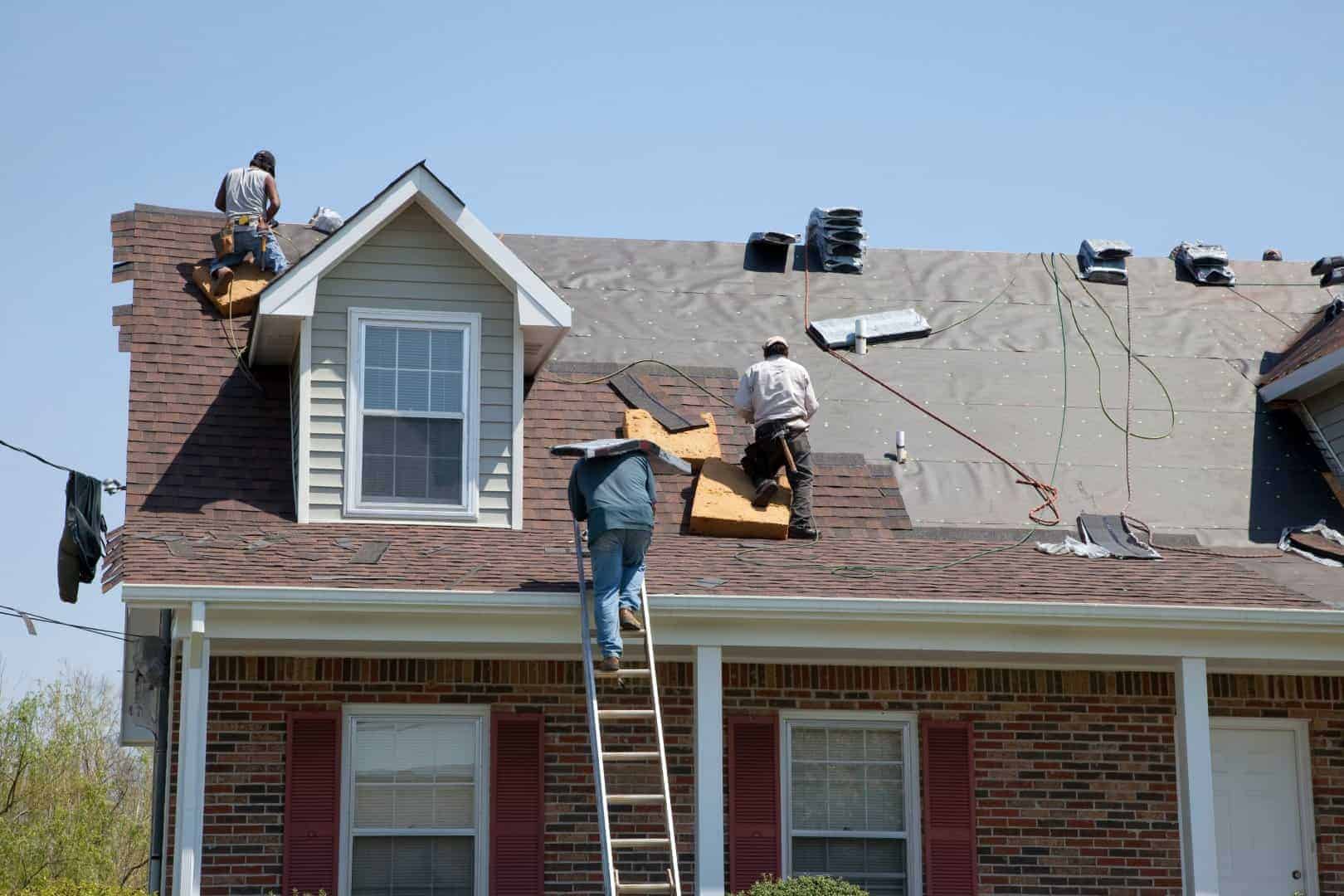
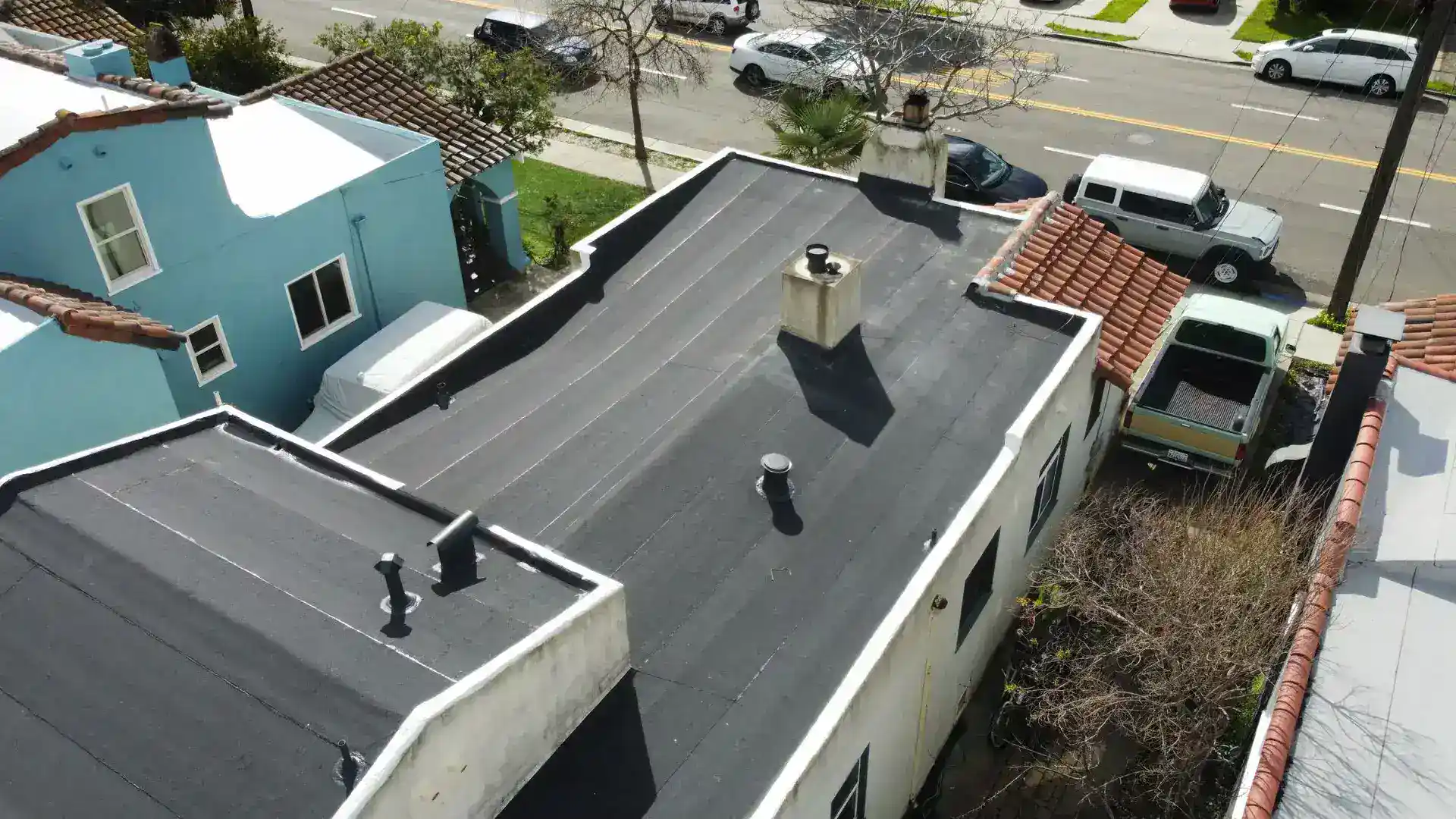
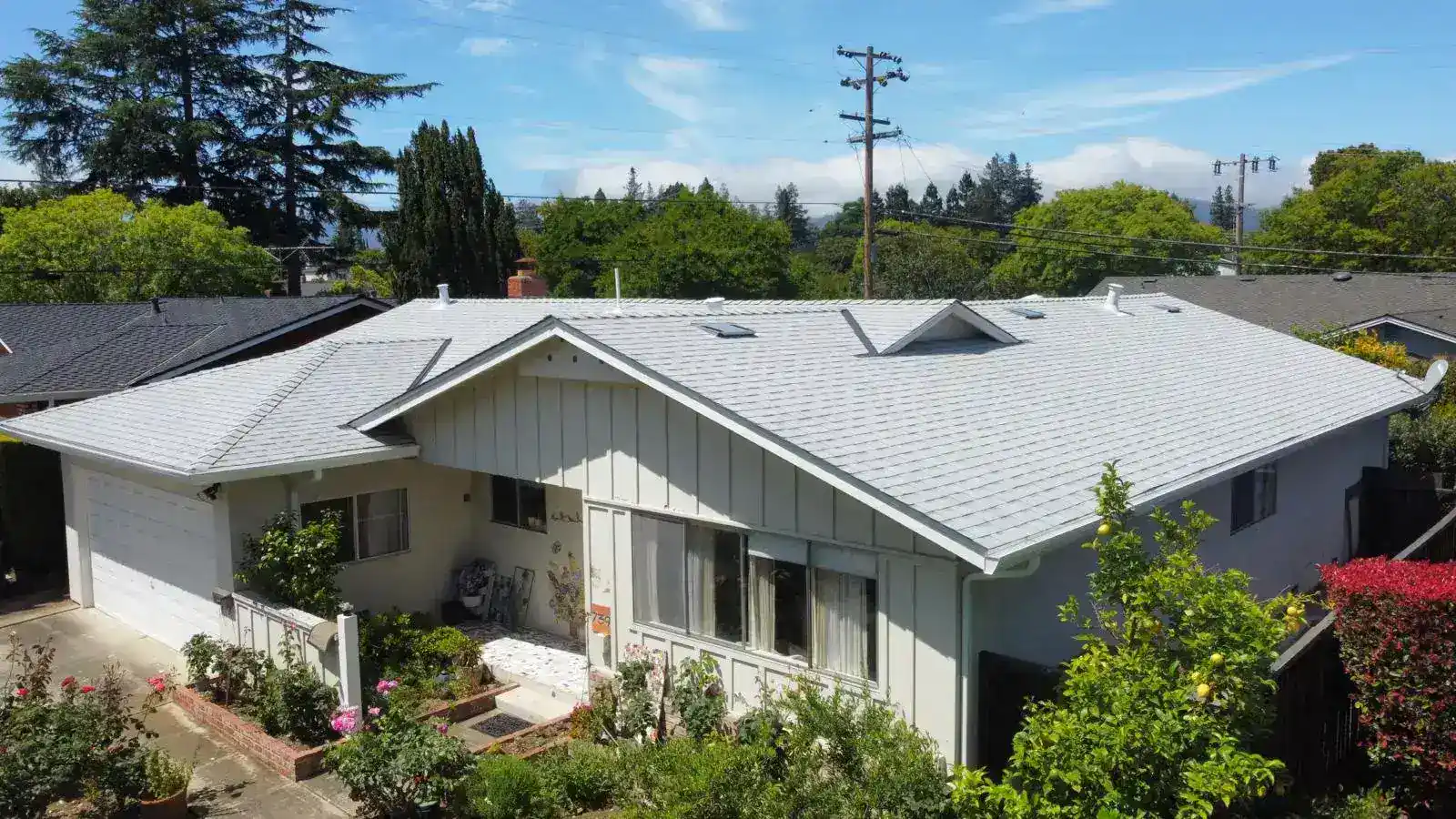
Roof Replacement Hayward Highland CA
A roof that’s properly installed on a hillside home isn’t just watertight — it’s managing water actively. Hayward Highland’s steep grades mean runoff moves fast, and if your flashing, valleys, and ridge details aren’t dialed in, you’ll find out the hard way the first time November rains hit. When those details are right, you stop chasing leaks and start trusting your home again.
If your home was built around 1974 — which describes a lot of the housing stock in Hayward Highland — there’s a good chance your roof is on its first or second replacement cycle. A properly installed replacement with the right materials means you’re not back on this same search in eight years because someone cut corners on the decking or skipped the underlayment upgrade.
For homeowners in the upper reaches of Hayward Highland, near Garin Regional Park and the open space that borders the East Bay Hills, fire-rated roofing materials aren’t optional anymore. Class A-rated shingles, metal roofing, and concrete tile all carry the highest fire-resistance classification available — and when Red Flag Warning conditions roll through the hills, that distinction matters more than most people realize until it’s too late.
Licensed Roofing Contractor Hayward CA
We hold both a California General Contractor license and a C-39 Roofing Contractor license. Most roofing companies only carry the C-39. That gap matters the moment your tear-off reveals rotted decking, damaged fascia, or attic issues — because a roofing-only contractor can’t legally touch any of it. You’d be left coordinating a second contractor while your home sits exposed. With us, one team handles the full scope, under one contract, with one point of accountability from start to finish.
Our team brings over 40 years of combined Bay Area construction experience. We were founded in 2023 specifically because we kept watching Hayward Highland and East Bay homeowners get taken advantage of — large deposits paid upfront, work left incomplete, no recourse. That’s why every project operates under our Never Get Burnt Guarantee: you pay nothing until the job is done and you’re satisfied. We’re also GAF and CertainTeed certified, BBB accredited, and fully familiar with the City of Hayward’s permitting process — including the Hayward e-Permits system that every compliant reroofing job in this area runs through.
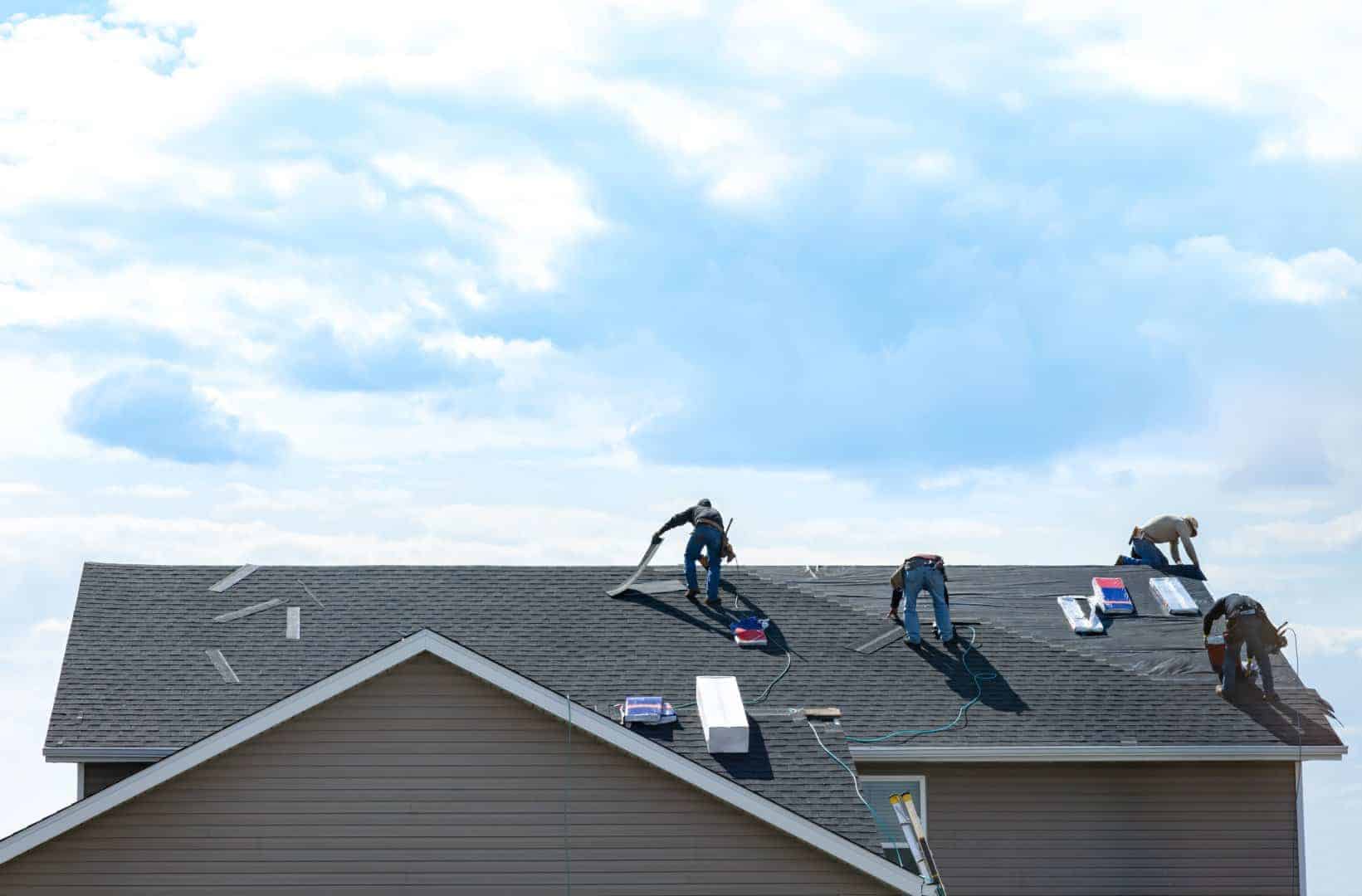
Roof Inspection and Repair Hayward Highland
It starts with a roof inspection. Before anything is recommended, our crew gets eyes on your actual roof — not a satellite estimate, not a phone call guess. On hillside properties in Hayward Highland, that inspection includes a close look at how water is currently moving across your slopes, where flashing is failing or at risk, and whether the decking underneath has held up through years of Bay Area wet winters and summer heat cycles.
From there, you’ll get a clear scope of work with material options that fit your home, your HOA requirements if you’re in Stonebrae, and your fire exposure profile if you’re in the upper reaches near the open space. If the inspection turns up decking damage, structural issues, or anything beyond the roof surface itself, our general contractor license means that work stays in-house — no subcontracting it out to a third party you’ve never met.
Once you approve the scope, we pull the required permit through the City of Hayward Building Division before any work begins. The project runs under a dedicated project manager who keeps you updated weekly — because you shouldn’t have to wonder whether the crew is coming back. When the job is done, it gets inspected, documented, and closed out properly. That paper trail matters when you sell.
Ready to get started?
Asphalt Shingles and Metal Roofing Hayward CA
Hayward Highland isn’t a one-size-fits-all roofing market. A 1970s ranch on a steep lot near J.A. Lewis Park has different needs than a Toll Brothers home in the Stonebrae Country Club community. The right material depends on your pitch, your sun exposure, your HOA requirements, and how close you are to the wildland interface.
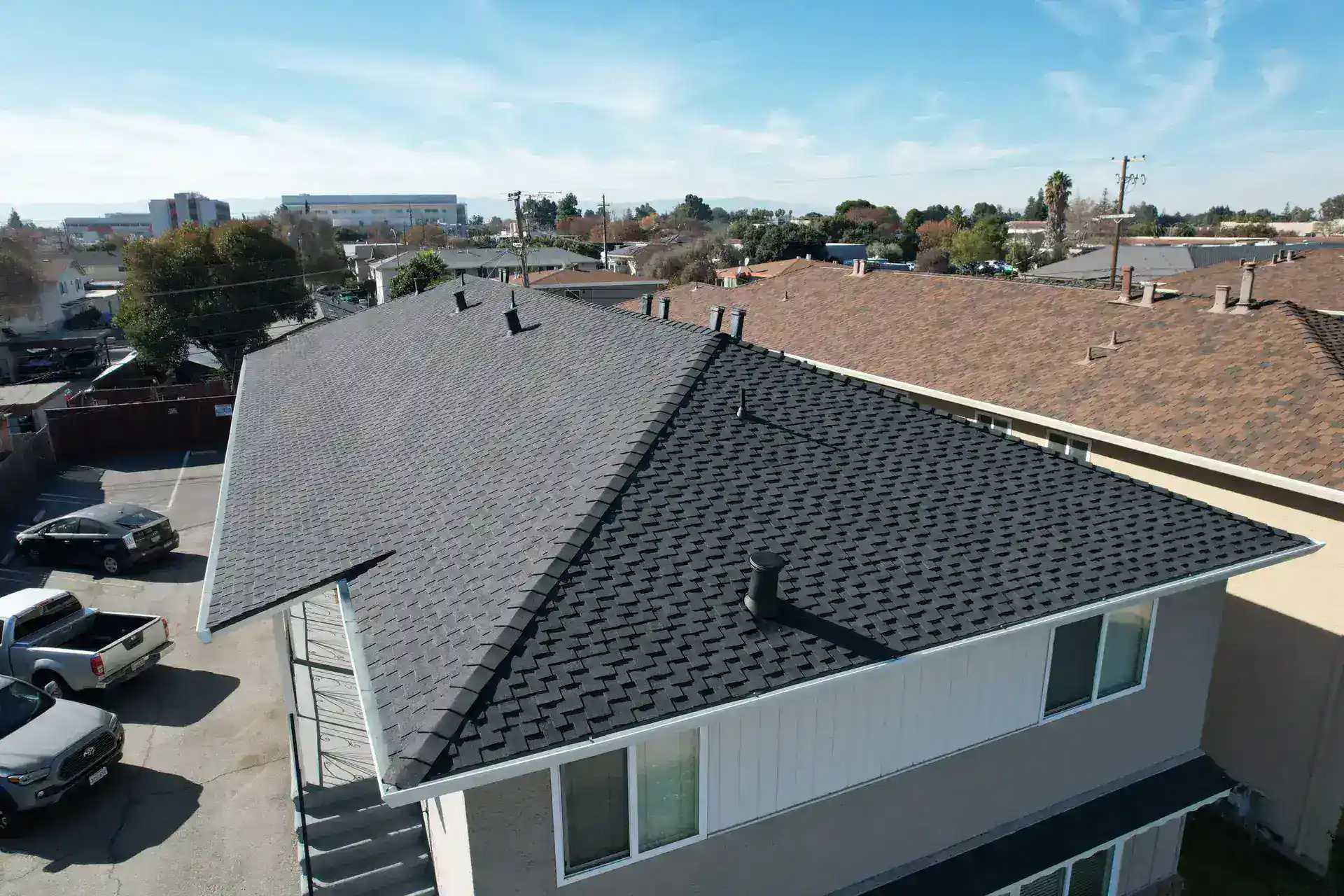
Asphalt shingles — specifically architectural shingles — are the most common choice for this area and for good reason. They’re durable, cost-effective, available in Class A fire-rated versions, and come in colors that satisfy most HOA specifications. GAF and CertainTeed both manufacture shingles that we install under certified contractor status, which unlocks enhanced warranty coverage that non-certified roofers simply can’t offer you. That warranty stays with the home, which matters at resale.
For homeowners who want a longer-lasting solution or have significant fire exposure, metal roofing is worth a serious look. Standing seam metal roofs carry Class A fire ratings, handle the thermal cycling of East Bay summers without granule loss, and can last 40 to 70 years with minimal maintenance. Gutter replacement or upgrade is often part of the conversation on hillside homes too — because the best roof in the neighborhood won’t protect your foundation if the gutters are failing to handle the runoff volume that steep grades produce. We handle all of it under one roof, so to speak.
Do I need a permit to replace my roof in Hayward, CA?
Yes — the City of Hayward requires a permit for roof replacement work, and it’s processed through the Hayward Building Division using their online Hayward e-Permits system. This isn’t just a formality. A permitted roof replacement means an inspector signs off that the work meets current California Building Code requirements, which protects you legally and financially.
The reason this matters specifically in Hayward Highland is resale value. Homes in this neighborhood — particularly in the Stonebrae area — sell at significant price points. An unpermitted roof will surface on a buyer’s home inspection and can either kill the deal or force you into a costly remediation process before closing. We pull the permit, coordinate the inspection, and close it out properly so your paperwork is clean. That’s part of the job, not an add-on.
How long do asphalt shingles typically last on a Hayward Highland hillside home?
Standard three-tab shingles are rated for 20 to 25 years, but architectural shingles — which are the more common choice for hillside homes in Hayward Highland — are typically rated for 30 years or more. Real lifespan depends heavily on installation quality, ventilation, and how much thermal cycling the roof goes through. Hayward’s all-time record high hit 108°F, and summer temperatures in the East Bay Hills regularly push well above 90°F. That heat, combined with coastal winds and wet winters, accelerates wear faster than the rated lifespan in moderate climates.
The bigger issue on Hayward Highland’s hillside homes is that steep slopes put more stress on flashing and sealant points than flat-terrain roofs. If those details weren’t done right the first time, you’ll see failure well before the shingles themselves give out. A proper inspection will tell you whether you’re looking at a repair or a full replacement — and we won’t recommend one when the other is what you actually need.
What roofing materials are best for homes near the East Bay Hills wildland interface?
If your home sits in the upper portion of Hayward Highland — near the open space that borders Garin Regional Park or Dry Creek Pioneer Regional Park — you’re in or very close to the Wildland-Urban Interface. That designation carries real fire risk, and your roofing material is one of the most significant factors in how your home performs during a wildfire event.
Class A fire-rated materials are the highest classification available, and they include metal roofing, concrete tile, and Class A-rated architectural shingles. These materials are tested to resist ignition from airborne embers — which is the primary way residential roofs catch fire during East Bay wildfire events. Metal roofing offers the strongest combination of fire resistance and longevity. Class A-rated composition shingles are more affordable and still offer meaningful protection over standard materials. We can walk you through which option makes sense for your specific lot, slope, and budget — without steering you toward the most expensive option if it’s not what your situation calls for.
How do GAF and CertainTeed certifications actually affect my roof warranty?
This is one of the most important questions to ask any roofer, and most homeowners don’t know to ask it. GAF and CertainTeed both offer enhanced warranty tiers that are only available when the installation is done by a certified contractor. For GAF, the top-tier warranty — the System Plus — cannot be purchased by a homeowner whose roofer isn’t certified. It doesn’t matter how much you pay or what materials are used. If the contractor isn’t certified, you can’t access it.
We hold certifications from both manufacturers. That means when you replace your roof with us, you have access to warranty coverage that non-certified contractors simply can’t provide. For a home in Hayward Highland where the investment you’re protecting is significant, the difference between a standard warranty and a certified contractor’s enhanced coverage can represent real money if something goes wrong five or ten years down the road. It’s worth asking every roofer you talk to whether they’re actually certified — not just whether they install GAF or CertainTeed products.
When is the best time of year to replace a roof in Hayward Highland?
The ideal window for planning a replacement in Hayward Highland is late summer through early fall — roughly August through October. The dry weather makes for better installation conditions, and you’re getting ahead of the rainy season before November brings the first significant storms. If your roof is showing signs of wear, scheduling in this window means you’re not making emergency decisions in the middle of a rain event.
That said, winter roofing is possible and sometimes necessary. If you have an active leak or significant damage, waiting until spring isn’t a reasonable option — and we don’t tell you to. Our crew works around Bay Area weather patterns and takes the necessary precautions to protect your home during the project. What you want to avoid is ignoring a roof that’s clearly failing because you’re waiting for perfect timing. Water damage compounds quickly, especially on hillside homes where runoff has nowhere to go but through.
What should I look for when hiring a roofing contractor in Hayward Highland, CA?
Start with licensing. California requires a C-39 Roofing Contractor license for any roofing work over $500. You can verify any contractor’s license at cslb.ca.gov in about 30 seconds. If a contractor can’t give you their license number or gets vague when you ask, stop the conversation there. Beyond the C-39, ask whether they also hold a General Contractor license — because in Hayward Highland’s older housing stock, a roof tear-off frequently uncovers decking rot, fascia damage, or structural issues that a roofing-only contractor cannot legally repair. That gap can leave your project stalled or force you to bring in a second contractor mid-job.
After licensing, look at manufacturer certifications and how they handle payment. GAF and CertainTeed certifications unlock warranty tiers that non-certified roofers can’t offer. Any contractor asking for a large upfront deposit before work begins is a risk — it’s how most roofing scams in the Bay Area operate. Our policy is straightforward: you pay nothing until the job is complete and you’re satisfied. For a hillside home in Hayward Highland, where the stakes are high and the home values reflect that, those aren’t small details. They’re the difference between a project that goes smoothly and one that doesn’t.
Other Services we provide in Hayward Highland