Gutter & Siding Integration Contra Costa County

Stop Water Damage Before It Starts
When your gutters and siding work as one system, water flows away from your foundation instead of soaking into your walls. Get the protection your Bay Area home needs with professionally integrated installation.
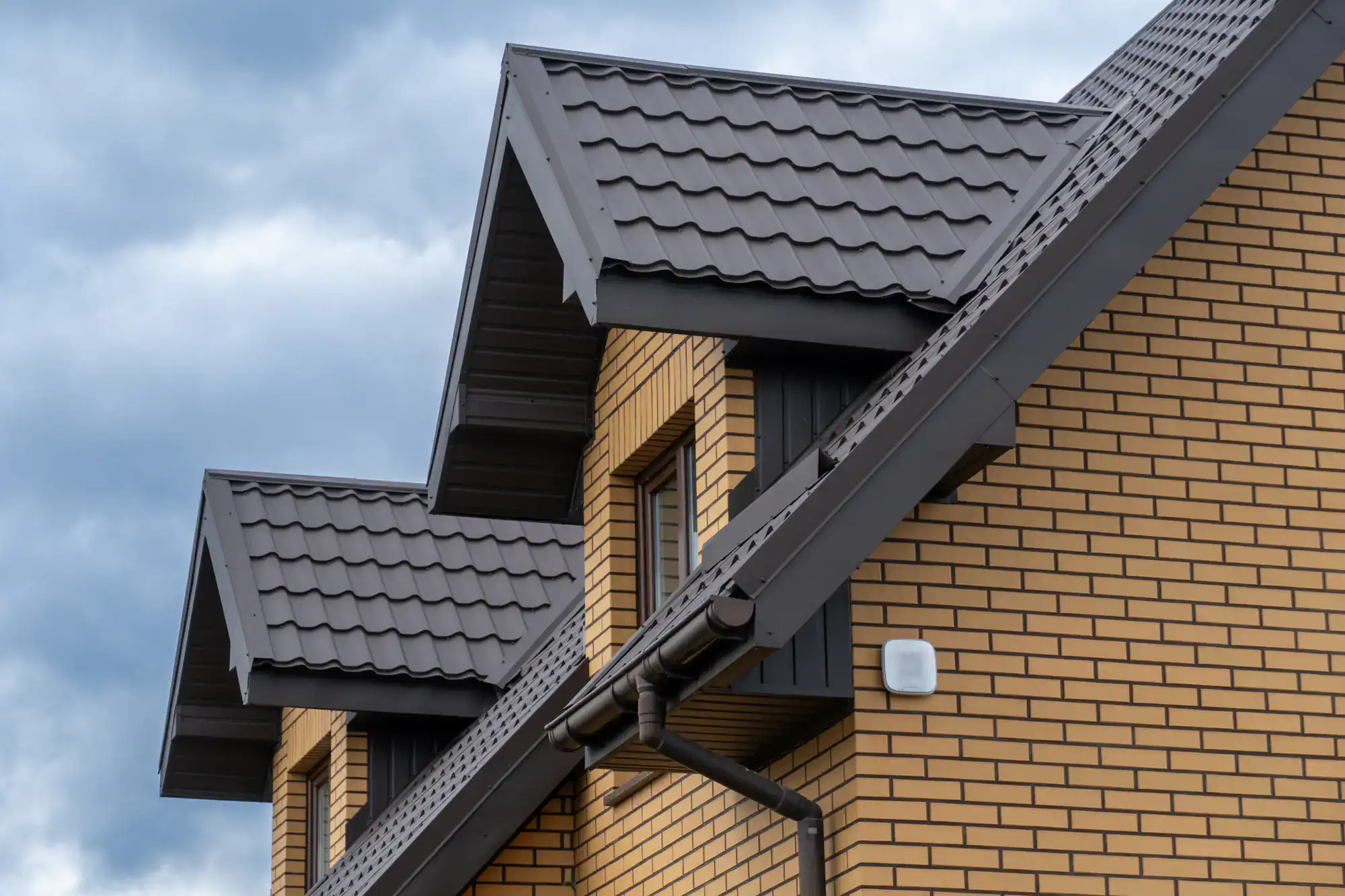
Yellow brick house with dark gray metal roof, multiple gables, and small windows. The sky is cloudy in the background. Installed by a general contractor in Contra Costa & Alameda County, CA, a gutter system runs along the roof edge.

Get a Free Estimate Today!

Don’t compromise on quality. Hire only the best.

Approved FHA Title I Lender

Financing Through Service Finance Company

Service Finance Company, LLC is a nationally licensed sales finance company providing outstanding financial solutions to homeowners looking to invest in their homes.

Flexible Financing Options

Choose from a variety of loan term options to find the one that fits your financial plan best — so your home improvements work with your budget, not against it.

Quick & Easy Approvals

Get a fast credit decision with a simple, streamlined application process. Less waiting means you can start your project sooner.

No Equity Required

Unlike traditional financing methods, you don't need home equity to qualify. Open the door to improvements regardless of how long you've owned your home.

Competitive Rates

Service Finance offers competitive rates to ensure your home improvements are both beneficial and affordable — maximizing the value of every dollar.

Fund Your Home Improvement Project Today

From energy-efficient upgrades to a complete home makeover, Service Finance LLC provides financing solutions so you can invest in your home without the financial worry.

Apply for Financing No obligation · Quick credit decision

Dual Licensed Contractor

Both general contractor and roofing licenses mean we handle your entire exterior project without subcontracting critical work to strangers.

Over 40 Years Combined Experience

Four decades serving Contra Costa and Alameda counties means we’ve seen every Bay Area exterior challenge and know how to solve it.

Never Get Burnt Guarantee

Zero money down to start your project. You only pay when work is completed to your satisfaction, protecting your investment completely.

BBB Accredited Business

Accredited by the Better Business Bureau with certifications from industry leaders, backing every project with professional accountability and proven quality standards.
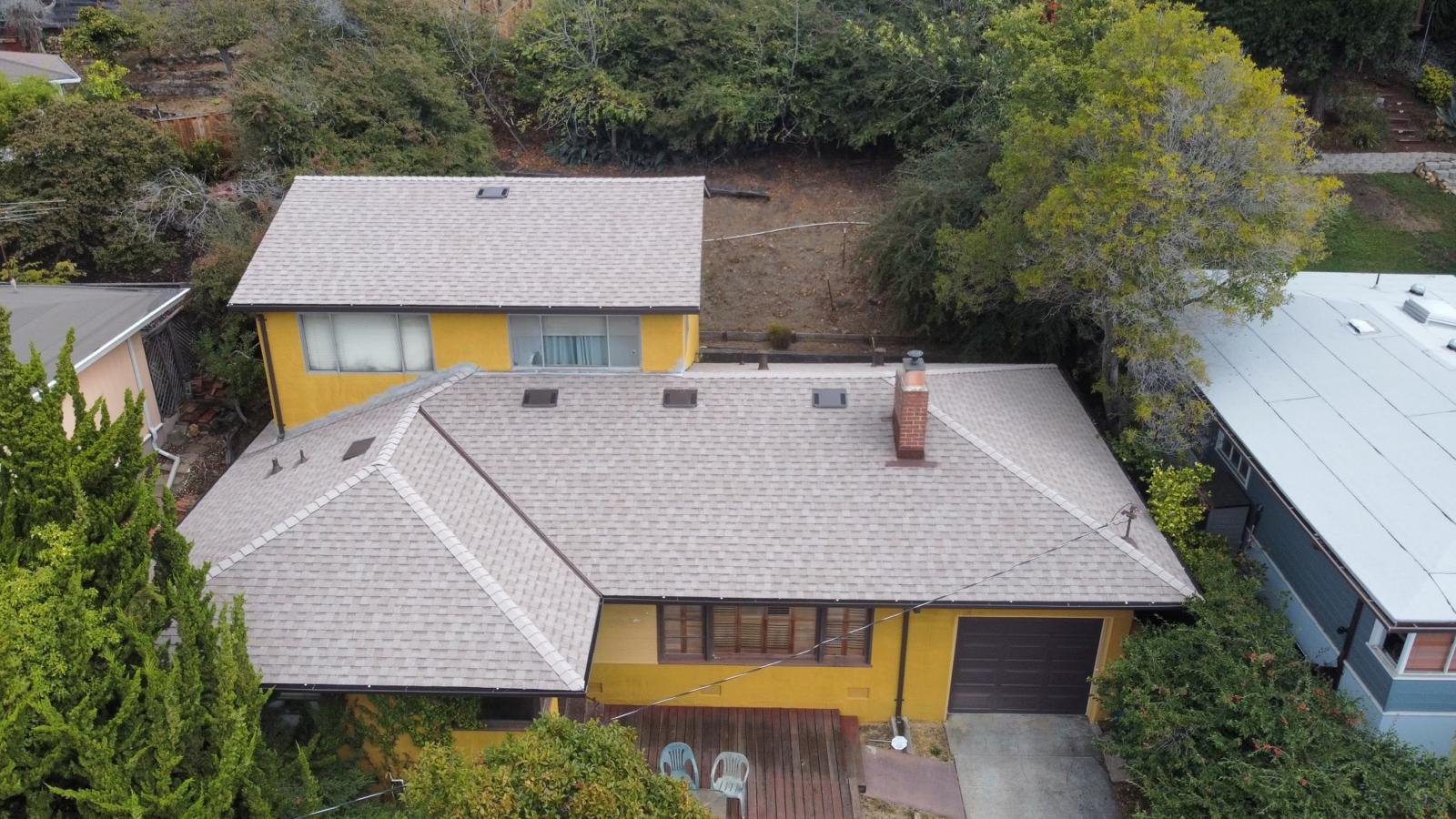
Aerial view of a yellow two-story house with a light gray roof, single-car garage, and lush greenery. Located in CA, this home by a general contractor Contra Costa & Alameda County features a wooden deck with patio furniture in the front yard.

Seamless Gutters and Siding Alameda County

Your Exterior Works as One System

Your gutters and siding aren’t separate projects. They’re two parts of the same water management system that either protects your foundation or fails together. When gutters overflow during Bay Area storms, that water runs straight down your siding. If your siding has gaps or wasn’t installed with proper flashing, water gets behind it. The result is rot, mold, foundation damage, and repairs that cost exponentially more than doing it right the first time.

We integrate both systems during installation. Your gutters get sized correctly for your roof area and positioned to work with your siding’s drainage plane. Your siding gets installed with proper weather barriers and sealed connections where it meets gutter lines. Everything coordinates to move water away from your home instead of into it.

This matters in Contra Costa and Alameda counties where rainfall has increased 140-160% year over year. Your exterior needs to handle more water than it did five years ago, and piecemeal fixes won’t cut it.

Exterior Cladding and Downspout Installation Benefits

What You Actually Get From Integrated Installation

These aren't vague promises about quality. These are specific improvements you'll see after we coordinate your gutter and siding work as one project.
Your foundation stays dry because downspouts are positioned during siding installation to drain at least four feet away from your home.
You avoid the coordination nightmare of having siding installers work around old gutters or gutter crews damage new siding you just paid for.
Water doesn’t pool behind your siding because flashing, weather barriers, and gutter placement all get integrated during the same installation phase.
Your exterior looks cohesive instead of pieced together, with colors and trim details that actually match because one team handled both.
You get one warranty covering both systems instead of pointing fingers between separate contractors when something leaks three years later.
Your energy bills stay lower because properly sealed siding with coordinated water management maintains your home’s thermal envelope without moisture intrusion.
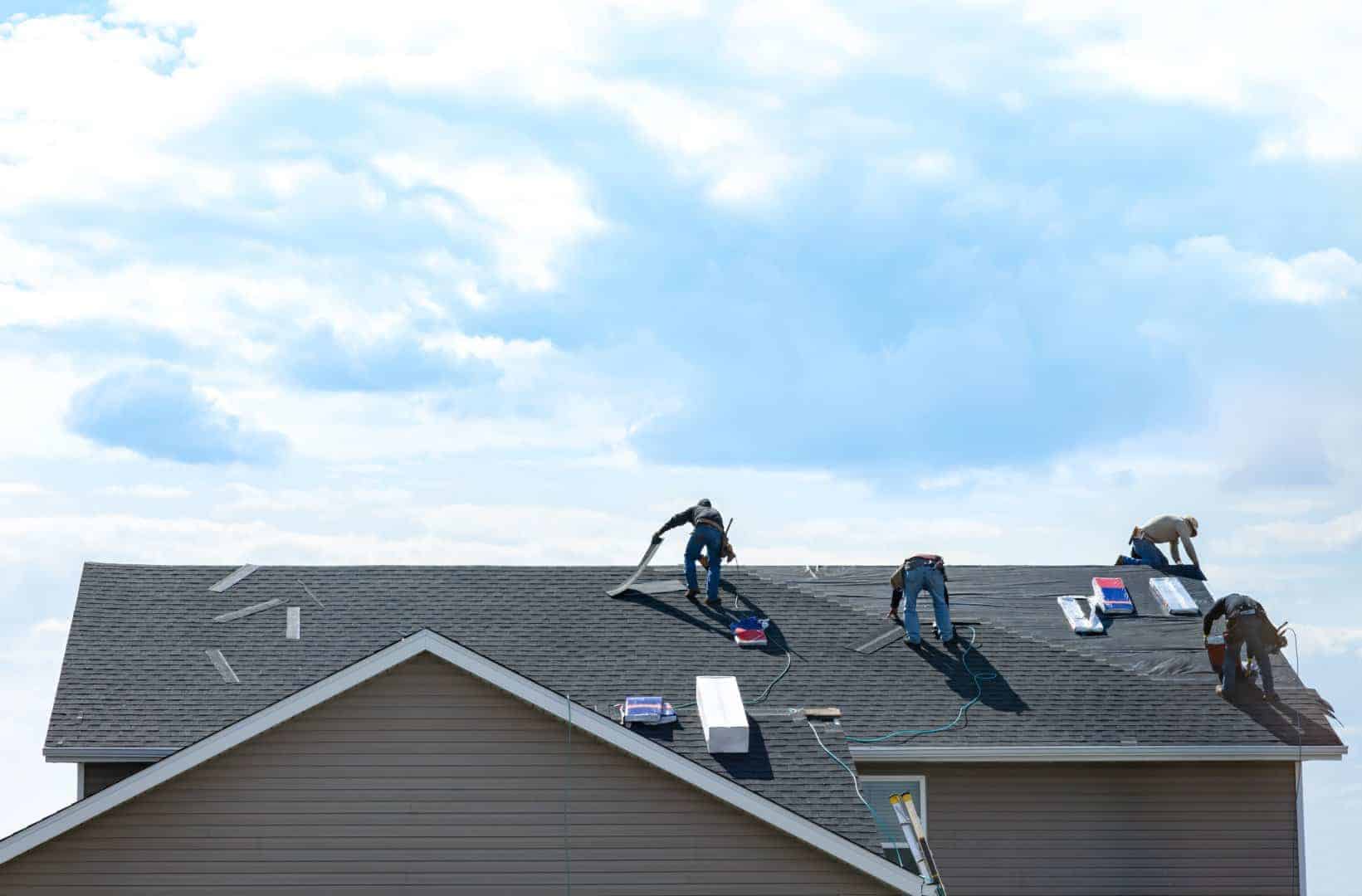
Four workers from General Contractor Services Bay Area are installing shingles on a roof in CA under a partly cloudy sky, with tools and roofing materials scattered around them as they work.

Home Envelope Protection Contra Costa County

Why Separate Projects Cost You More

Installing gutters and siding separately seems logical until you see what actually happens. The siding crew shows up first and installs everything perfectly. Three months later, the gutter installers arrive and need to remove sections of your new trim to mount brackets. Or they drill through fresh paint. Or their measurements don’t account for the siding thickness, so downspouts sit too far from the wall and look terrible.

The reverse scenario is worse. Old gutters that should have been replaced keep overflowing onto your beautiful new siding. Within two years, you’re seeing water stains and the beginnings of rot behind panels that cost thousands to install.

Even high-quality materials fail when installation isn’t coordinated. Misaligned gutters don’t capture water effectively. Loose siding panels create gaps that allow moisture penetration. By the time visible damage appears, repairs cost more than proper installation would have in the first place. One crew handling both systems eliminates these conflicts entirely and costs less than paying two separate contractors to work around each other’s mistakes.
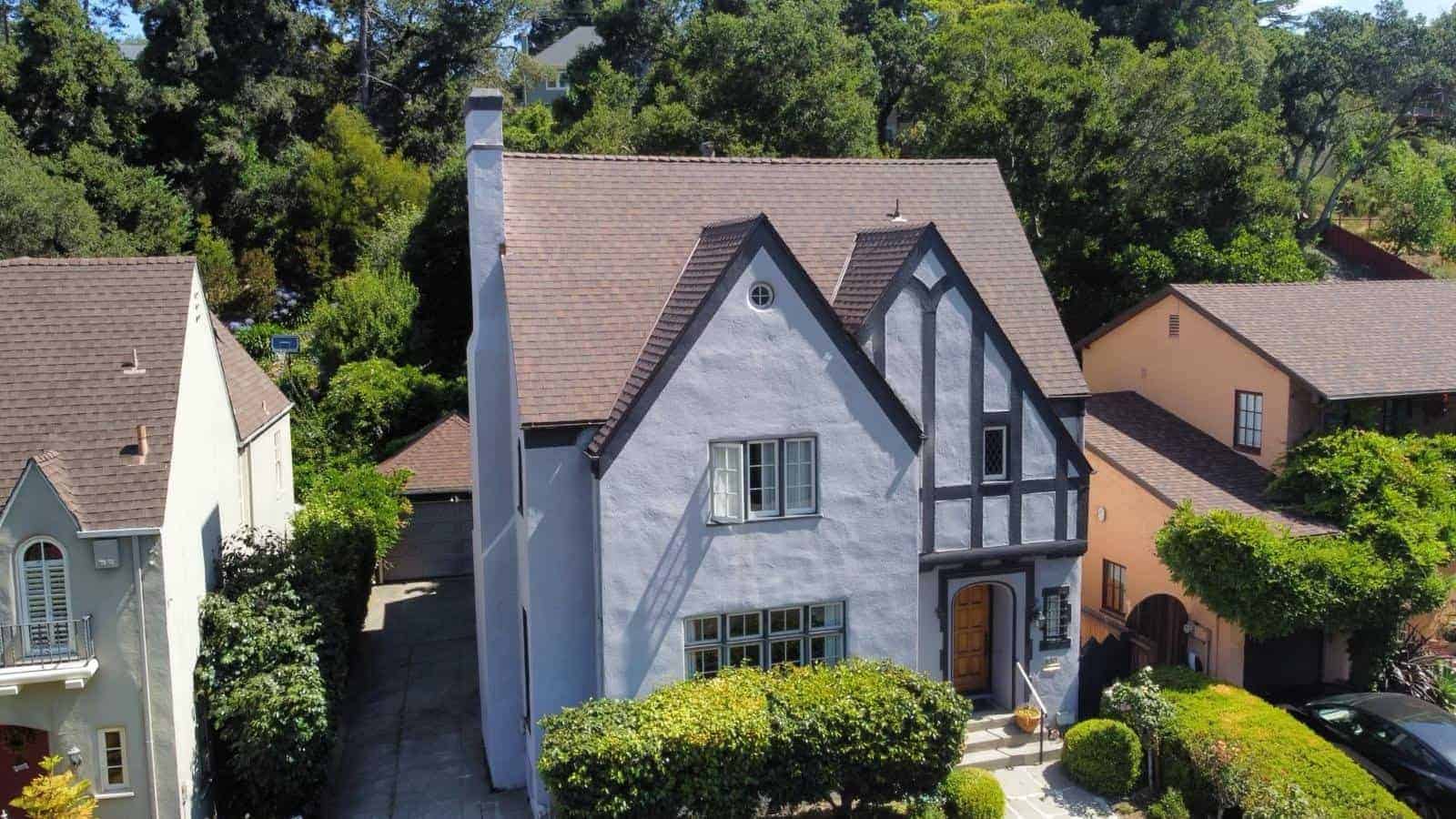
A two-story Tudor-style house with a steep gabled roof, light-colored exterior, and decorative half-timbering, surrounded by trees and neighboring homes in CA on a sunny day. General Contractor Services Bay Area available.

Siding Replacement and Gutter Installation Bay Area

What's Included in Integrated Installation

Your project starts with accurate measurements of your roof area, existing drainage patterns, and siding condition. We calculate gutter capacity based on your actual roof square footage and Bay Area rainfall data, not generic sizing charts. Downspout placement gets planned before any siding work begins, so mounting points are reinforced and flashing is installed correctly.

During installation, weather-resistive barriers go up first to protect your wall structure. Siding gets installed with proper expansion gaps and sealed joints. Gutters are fabricated on-site to exact dimensions, eliminating seams that leak. Downspouts connect to properly sloped extensions that move water away from your foundation. Fascia and soffit work coordinates with both systems to create clean transitions and prevent water intrusion at vulnerable roof edges.

You get weekly progress updates from your dedicated project manager, meticulous site protection so your landscaping and property stay clean, and optional professional cleaning when we’re done. The finished result is an exterior that looks professionally coordinated because it was designed and installed as one integrated system, not cobbled together from separate projects.

Frequently Asked Questions

Should I replace my gutters and siding at the same time or separately?
Replace them together if both systems are near the end of their lifespan or if one is already failing. Gutters and siding work as an integrated water management system. Installing new siding while keeping old, failing gutters means your fresh siding gets damaged by overflow and improper drainage within a couple of years. Installing new gutters on a home with deteriorating siding doesn’t solve the water intrusion problem because damaged or poorly sealed siding lets moisture behind your walls regardless of how well the gutters function. Coordinating both installations costs less than two separate projects because you’re paying one crew, one mobilization, and one project timeline. You also get coordinated warranties and avoid the problem of new work getting damaged during the second installation phase. The only exception is if your gutters are completely destroyed and causing active foundation damage while your siding is still in decent shape. In that case, replace the gutters immediately to stop foundation erosion, then plan the siding replacement for the next year or two.
Walk around your home during a moderate rainstorm and watch what happens. Properly integrated systems move water smoothly from your roof through gutters and downspouts to discharge points at least four feet from your foundation, with no overflow, no water running down siding, and no pooling near your home’s base. Check for water stains on your siding below gutter lines, which indicate overflow or leaks. Look at where downspouts connect to your siding—proper integration includes sealed mounting points and flashing that prevent water from getting behind the siding at connection points. Examine your fascia boards where gutters mount. Rotting or soft fascia means water has been getting behind your gutter system, often because siding and gutter installation weren’t coordinated to include proper drip edge and flashing. Inside your home, check for water stains on ceilings near exterior walls, musty odors in wall cavities, or peeling paint on interior walls that share an exterior side. These indicate water is penetrating your building envelope through gaps in your siding-gutter integration.
Seamless gutters are fabricated on-site to your home’s exact dimensions, creating continuous runs with no joints except at corners and downspout connections. This eliminates the most common failure points where sectional gutters leak. For integrated siding and gutter installation, seamless systems work better because we can custom-fit them during the same project phase as your siding, ensuring perfect alignment with your roofline, fascia, and siding trim. Sectional gutters come in pre-cut lengths that get joined together with connectors and sealant. Over time, these seams separate due to thermal expansion, settling, or simple deterioration of the sealant. When that happens, water leaks directly onto your siding at the joint locations. Seamless aluminum gutters last longer, require less maintenance, and integrate more cleanly with siding because there are fewer potential leak points. The upfront cost difference is minimal, especially when you’re already investing in siding replacement, and the long-term performance difference is substantial. For Bay Area homes dealing with increased rainfall, seamless systems provide better protection for your siding investment.
Downspouts should discharge water at least four to six feet away from your foundation, and ten feet is even better if your property grade allows it. This distance prevents water from pooling near your foundation and seeping into basement walls or causing soil erosion that undermines your home’s structural support. During integrated gutter and siding installation, we plan downspout placement and extension routing before siding work begins. This allows us to reinforce mounting points, install proper flashing where downspouts attach to siding, and ensure extensions slope away from your home at the correct grade. Many homes have downspouts that dump water right at the foundation line because they were installed without considering final grade or landscaping. This is particularly problematic in Contra Costa and Alameda counties where soil conditions and increased rainfall make foundation protection critical. Extensions can be buried underground and connected to drainage systems, or they can be surface-mounted and directed toward appropriate drainage areas in your landscaping. The key is planning this during the design phase of your integrated installation rather than trying to retrofit extensions after both systems are already in place.
Fiber cement siding and quality vinyl siding both work well with integrated gutter systems in Bay Area conditions, but fiber cement offers better long-term durability and moisture resistance. Fiber cement siding resists rot, repels insects, withstands fire, and handles moisture exposure better than wood or lower-grade materials. When properly installed with weather-resistive barriers and sealed joints, it creates a robust building envelope that works effectively with your gutter system to keep water out of your wall cavities. Vinyl siding is more affordable and still performs well when installed correctly, though it’s more vulnerable to impact damage and can become brittle over time with temperature fluctuations. The critical factor isn’t which material you choose but how it’s installed relative to your gutter system. Proper integration means installing drip edge flashing that directs water into gutters, sealing all joints where siding meets fascia and trim, using weather-resistive barriers behind the siding, and coordinating gutter mounting points so brackets don’t compromise siding seals. Wood siding requires more maintenance in Bay Area conditions and is more susceptible to water damage if your gutter system fails or overflows. Stucco can work but requires expert installation and careful coordination with gutter placement to avoid water intrusion at vulnerable points.
Yes, integrated installation costs 15-25% less than hiring separate contractors for gutters and siding because you’re paying for one mobilization, one project timeline, one set of permits, and one coordination effort instead of two. You also avoid the hidden costs that come from sequential installations—like paying the second contractor to work around or repair damage to the first system, or dealing with warranty disputes when it’s unclear whether the gutter company or siding company is responsible for a leak. The bigger savings come from avoiding premature failure. When systems aren’t integrated, you often see problems within 2-5 years that require repairs costing thousands of dollars. Water damage behind improperly flashed siding, foundation issues from poorly placed downspouts, or rot in fascia boards where gutter mounting compromised siding seals all cost more to fix than the upfront savings from choosing the cheapest bid on separate projects. With our Never Get Burnt Guarantee, you don’t pay anything upfront, which eliminates the risk of losing money to contractors who disappear after taking deposits. You get transparent pricing that covers both systems, one warranty, one point of contact, and the confidence that everything was designed to work together from day one.

Comprehensive Exterior Evaluation

We assess your roof drainage, existing gutter capacity, siding condition, and foundation grade to identify exactly what your home needs for complete water management.

Integrated Design and Planning

Your gutter sizing, downspout placement, siding installation sequence, and flashing details get planned together so every component works with the others instead of against them.

Coordinated Installation and Completion

One crew handles both systems with proper sequencing, from weather barriers and siding to seamless gutters and downspout extensions that protect your foundation for decades.
Scroll to Top