
Summary:
We’re seeing the same pattern across Contra Costa County and Alameda County. Homeowners don’t want more rooms—they want rooms that do more. Spaces that adapt when your teenager moves back home, when you start working remotely three days a week, or when aging parents need a place close by. That’s why flex rooms and hybrid living spaces are replacing traditional layouts that made sense in 1995 but don’t match how anyone actually lives today—and why ADU solutions are becoming a popular way to create flexible, multi-functional living spaces.
What Makes a Space "Multifunctional" vs. Traditional
A traditional layout assigns one purpose to each room. The dining room is for dining. The office is for working. The guest room waits patiently for guests who may or may not show up.
A multifunctional space refuses to be pinned down. It’s a home office during the week and a guest suite on weekends. It’s a playroom now and a teen hangout in five years. The room adapts because you designed it that way from the start.
This isn’t about cramming everything into one chaotic space. It’s about intentional design that anticipates how your needs will shift. We help you avoid the costly mistake of building something that only works right now.
How Flex Rooms Save You Money While Adding Function
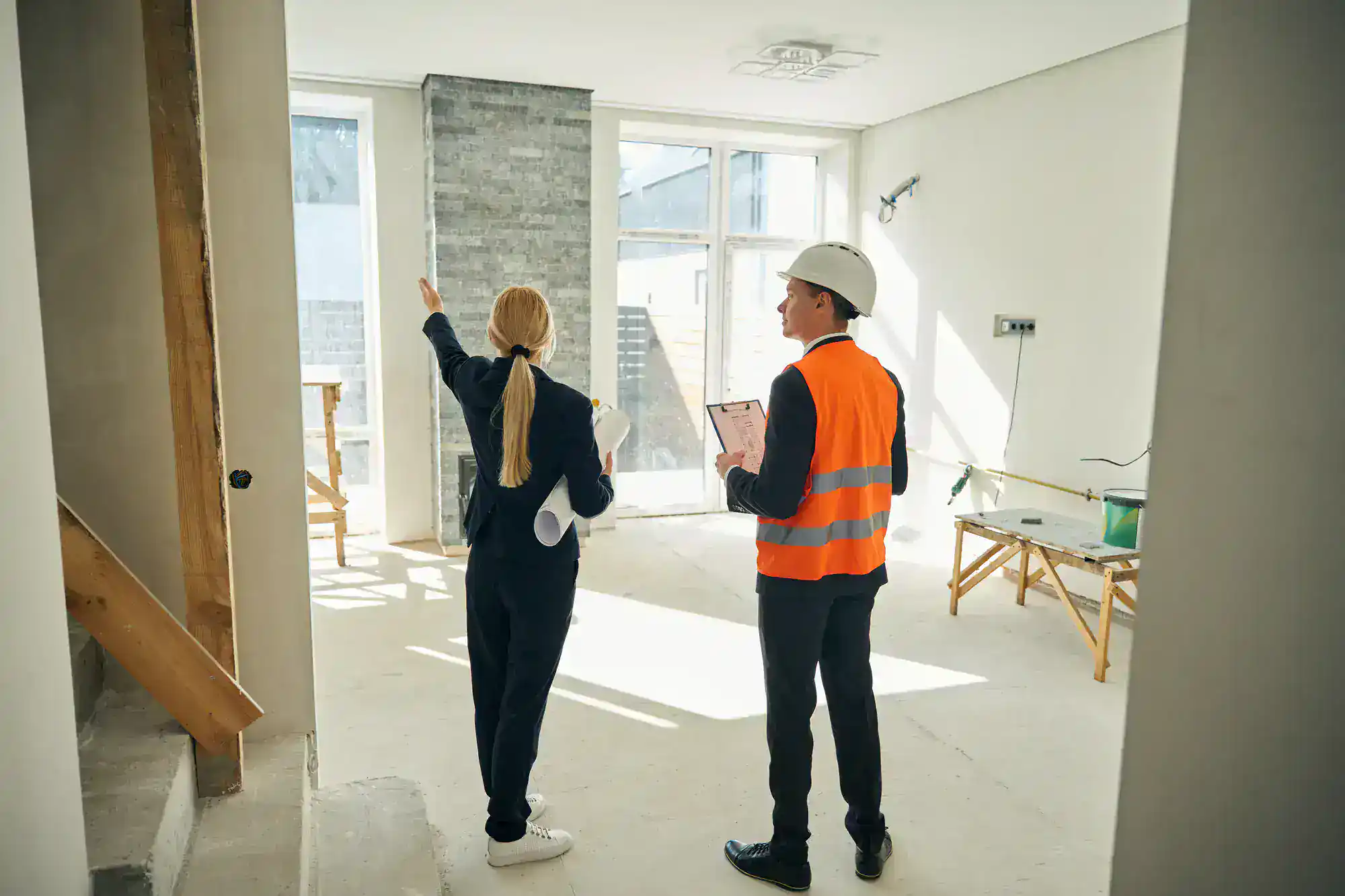
Flex rooms work because they’re designed around versatility, not a single fixed purpose. You’re not just slapping a Murphy bed in a corner and calling it flexible. You’re thinking through how the space gets used across different scenarios, which means you get more value from every square foot you’re paying to heat, cool, and maintain.
Take a common example in Contra Costa County homes. You convert an underused formal living room near the front of your house into a flex space. During the week, it’s your dedicated home office with a proper desk, ergonomic seating, and a background that doesn’t embarrass you on video calls. When family visits for the holidays, a sleeper sofa and some quick furniture rearranging turn it into comfortable guest accommodations. The room earns its square footage year-round instead of sitting idle.
The key is building in the right infrastructure from the beginning. That means adequate electrical outlets for multiple uses, lighting that works for both focused tasks and relaxed conversation, and storage that hides work materials when you need the space to feel like a living area. Doors or sliding partitions let you close off the space for privacy or open it up when you want flow.
We know which details matter from years of doing this work in Alameda County. Acoustic considerations if the room might be used for video calls. Flooring that transitions well between work mode and guest mode. Window treatments that provide privacy without making the space feel like a cave. These aren’t afterthoughts. They’re part of the plan.
The same thinking applies to other common flex space conversions. A bonus room over the garage becomes a home gym that doubles as a media room. An oversized primary bedroom gets divided to create a private home office nook that doesn’t bleed into your sleeping space. A finished basement transforms into a teen hangout, a rental unit, or a multigenerational living suite depending on what your family needs right now.
What you’re really doing is refusing to let any room become dead weight. Every square foot has to justify its existence by serving your actual life, not some idealized version of how homes are “supposed” to work. And in the Bay Area where property values mean every square foot carries a premium, that practical approach makes even more financial sense.
Open Floor Plans That Actually Let You Work From Home
Open floor plans aren’t going anywhere. People still want that connected feeling between kitchen, dining, and living spaces. Natural light flows better. Sightlines make homes feel larger. Parents can keep an eye on kids while making dinner. But the all-or-nothing approach doesn’t work when half your household is on video calls and the other half is clanging pots and pans.
That’s where hybrid living spaces come in. You get the visual openness and natural light flow of an open concept, but with smart ways to create separation when you need it. Pocket doors that disappear into walls when you want openness. Sliding barn doors that close off a home office without permanently dividing the space. Half-walls or built-in shelving that define zones without blocking sightlines or making rooms feel cramped.
We’re seeing more requests for these flexible solutions across Contra Costa County and Alameda County. Homeowners want to close off a workspace during the day, then open everything back up for family time in the evening. They want their kitchen to connect to the living area during a dinner party but not broadcast every dish-clattering sound when someone’s trying to focus in the next room.
The mistake people make is thinking open concept means you lose all control over noise and privacy. Good design gives you both. Acoustic treatments in ceilings that absorb sound without looking like you lined your home with egg cartons. Strategic furniture placement that creates natural boundaries between zones. Flooring transitions that signal you’re moving from one area to another without needing a wall.
You can also build in what’s sometimes called “zoned” open space. Your kitchen and informal dining area stay completely open. But between that zone and your living room, you add a wide opening with optional sliding panels. Most of the time, the panels stay hidden and you get that flowing, connected feel. When you need separation—maybe you’re on a client call or your kids are doing remote learning—you slide them closed. Same square footage, twice the flexibility.
This approach works particularly well in Bay Area homes where you’re often dealing with older construction that wasn’t designed for modern living patterns. You’re not stuck choosing between dark, chopped-up rooms and a wide-open fishbowl. You can have connection and separation in the same footprint.
The other advantage is resale value. Buyers appreciate spaces that adapt to different lifestyles. A young family might use that flex zone as a playroom. A couple working from home might turn it into dual home offices. Retirees might want it as a hobby space or a place for visiting grandkids. The layout works for all of them because it doesn’t force one specific use. That adaptability translates directly into market appeal when you eventually sell.
Home Office Conversion: More Than Just Adding a Desk
Plenty of people worked from their kitchen table during the pandemic and called it good enough. That was fine for a few months. It doesn’t work long-term, and your back, your productivity, and your family dynamics are probably telling you that by now.
A real home office conversion means creating a space that supports actual productivity without taking over your entire house. You need proper ergonomics so your back doesn’t hate you by 2 PM. You need lighting that doesn’t create glare on your screen or make you look like you’re calling in from a cave. You need a background for video calls that looks intentional, not like someone’s storage closet.
We think about the details that make the space functional for years, not just presentable for now. Acoustic control so your family doesn’t hear every meeting and you’re not apologizing for background noise on calls. Dedicated electrical circuits so you’re not constantly hunting for outlets or tripping breakers. Storage solutions that keep work materials organized but out of sight when you’re done for the day.
Which Rooms Actually Work as Dedicated Home Offices
The most common home office conversions happen in spaces that were already underutilized. That guest bedroom that hosts visitors twice a year. The formal dining room that became a dumping ground for mail and random household items. The bonus room that was supposed to be a playroom but mostly stores exercise equipment no one uses. These rooms are prime candidates because they’re not pulling double duty for your family’s daily routines.
Converting these spaces into functional home offices doesn’t mean you lose their original purpose entirely. It means you design them to serve multiple needs instead of one narrow function that rarely gets used. That’s the core principle behind multifunctional spaces—making every room work harder without forcing you to choose between competing needs.
Start with the location. A room with a door near the front of the house works well if you occasionally meet with clients or contractors. A space tucked toward the back provides more privacy for video calls and focused work. Ground floor locations make sense if you’re dealing with frequent deliveries or need easy access throughout the day. Upper floor spaces can feel more separated from household activity, which helps if you’re easily distracted by kitchen sounds or doorbell rings.
Once you’ve identified the right room, the actual conversion involves more than moving in a desk and calling it done. You’re looking at electrical upgrades to support multiple devices and proper task lighting. You might need additional outlets, dedicated circuits for equipment, or updated wiring if you’re working with an older Bay Area home. Many homes in Contra Costa County and Alameda County were built when a room might have two outlets total. That doesn’t cut it when you’re running a computer, monitor, printer, desk lamp, phone charger, and maybe a space heater or fan.
Network infrastructure matters too. Hardwired ethernet connections beat WiFi for reliability during video calls and large file transfers. If your home’s router is on the opposite end of the house, you might need a wired connection run through walls or attic space. This is where working with us makes a difference—we know how to route cables through existing construction without tearing apart your entire house.
Lighting needs to work on two levels. Overhead lighting that evenly illuminates the space without creating harsh shadows or glare on screens. Task lighting at your desk that you can adjust based on what you’re working on. If you’re on camera regularly, you also want to think about how light hits your face. Position your desk so windows provide indirect natural light rather than backlighting that turns you into a silhouette. A lot of people don’t think about this until they’ve already set up the room and realize they look terrible on every video call.
Storage is where most DIY home office conversions fall apart. You need places for files, supplies, reference materials, and equipment that keep everything accessible but not cluttering your work surface. Built-in shelving or cabinets make the most of vertical space and look intentional rather than like you just shoved some bookcases against a wall. A closet in the room can be converted into a compact storage system that hides everything behind closed doors when you’re not working.
The goal is creating a space that looks and feels like a real office during work hours but can transition back to a guest room, hobby space, or whatever else you need without major furniture shuffling. A sleeper sofa instead of a traditional couch. A desk that doubles as a console table. Storage that looks like regular furniture rather than filing cabinets. This kind of thoughtful design is what separates a true flex room from just putting a desk in a spare bedroom.
For homeowners in Contra Costa County and Alameda County, this kind of conversion often requires permits if you’re doing electrical work, moving walls, or adding built-ins. We understand local building codes and keep the project moving without surprises from the city building department. Permit timelines in the Bay Area can add weeks or months if you’re not familiar with the process. We do this regularly and know what the local jurisdictions require and how to get approvals without unnecessary delays.
ADU Potential: When You Need True Work-Life Separation
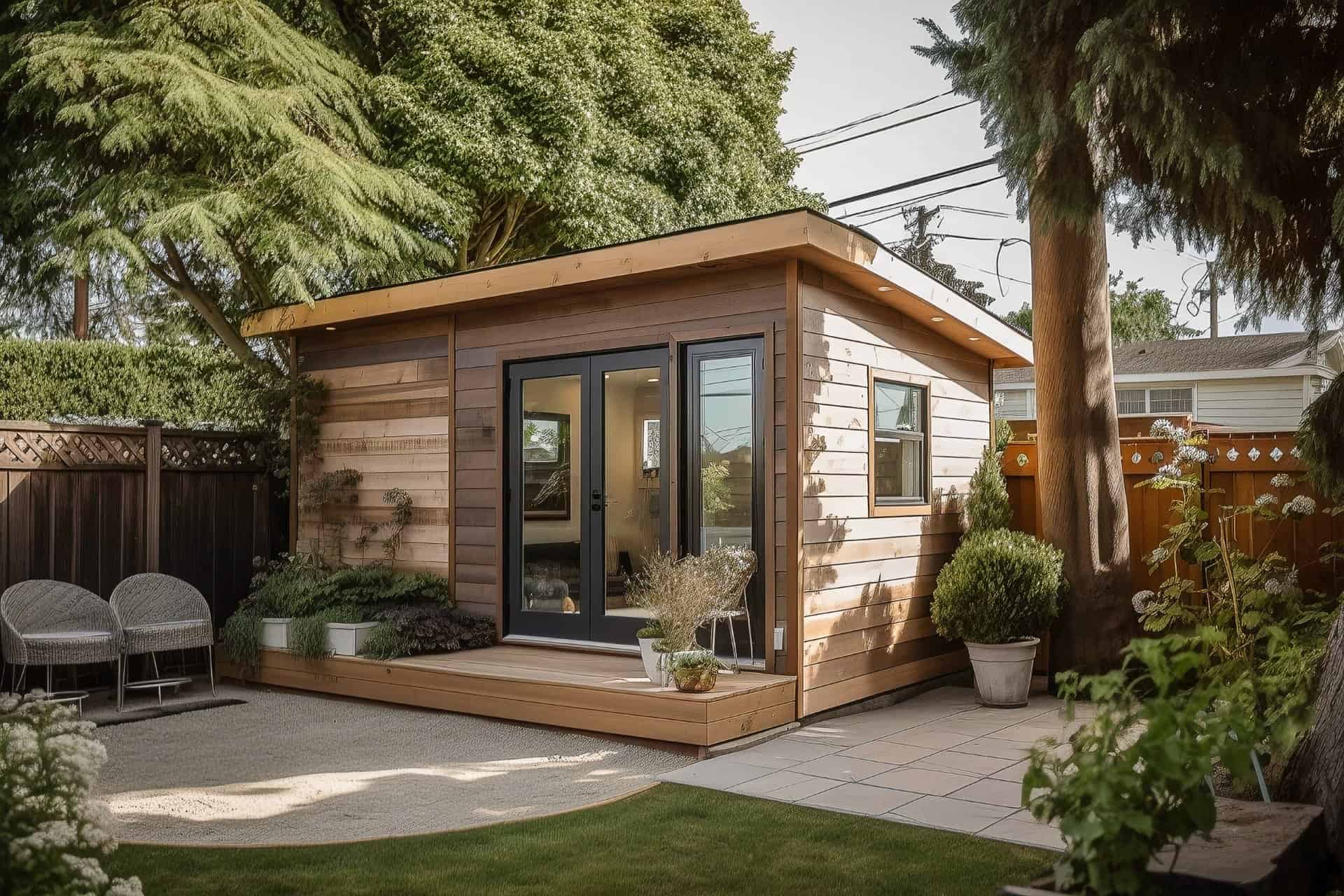
If converting an existing room doesn’t give you the separation you need, an accessory dwelling unit might be the answer. ADUs have become increasingly popular across the Bay Area, and one of the driving forces is people who want a dedicated workspace that’s completely separate from their main living area. This is the ultimate version of a multifunctional space because it can serve as a home office now and transition to completely different uses as your needs change.
A detached ADU gives you a true boundary between work and home. You walk out your back door, cross the yard, and you’re at the office. At the end of the day, you close the door and leave work behind. That physical separation is hard to replicate when your office is just another room in the house. Your brain knows the difference between walking to another room and walking to a separate building. That psychological boundary helps you actually disconnect at the end of the workday instead of feeling like you’re always at the office.
Beyond the psychological benefit, a separate structure gives you control over your work environment without compromising your home’s layout. You can set up the space exactly how you need it for productivity. Soundproof it so calls and meetings don’t disturb your family. Design it with client meetings in mind if that’s part of your work. Install specialized equipment or create storage for materials that would clutter your house. If you run a business that involves inventory, samples, or equipment, an ADU keeps all of that out of your garage and living spaces.
The other advantage is flexibility over time. Right now, you might need a home office. In five years, your kids might be in college and you’re back in a traditional office full-time. That ADU can transition into a rental unit generating steady income—often $2,200 or more per month in the Bay Area. It can become a place for aging parents who need to be close but want their own space. Or it can serve as a guest house that doesn’t require giving up rooms in your main home. This is ADU potential in action—building something that serves your current needs while creating options for the future.
ADU construction in Contra Costa County and Alameda County has been streamlined significantly in recent years, with updated regulations making the process more accessible for homeowners. But it’s still a substantial project that requires proper planning, permitting, and construction expertise. The rules vary by city, and what’s allowed in Walnut Creek might be different from what flies in Oakland or Fremont. Setback requirements, height limits, parking considerations, and utility connections all factor into what you can build and where.
Garage conversions offer a more affordable entry point if you have an underutilized garage. You’re working with an existing structure, which means you already have a foundation, walls, and a roof. The conversion focuses on insulation, interior finishes, electrical and plumbing connections, and making the space livable. A detached new build gives you more design freedom but comes with higher costs because you’re starting from scratch.
Either way, you’re looking at a project that requires coordination with local building departments, utility connections, and compliance with current building codes including California’s energy efficiency requirements. We can navigate these requirements while helping you design a space that actually serves your needs rather than just checking boxes for the permit office. We know which cities move quickly on ADU permits and which ones require more back-and-forth. We understand how to design within the rules while maximizing your usable space.
The cost is significant—typically $80,000 to $220,000 for a garage conversion and more for new construction—but so is the return. You’re adding functional square footage that increases your property value, creates rental income potential, and gives you a workspace that’s genuinely separated from your home life. Property values in Contra Costa and Alameda Counties mean that well-executed ADUs can add 25-35% to your home’s value. For people who’ve been working from makeshift home offices for years, that separation alone is worth the investment. And unlike a converted bedroom that might hurt resale value if buyers need that bedroom, an ADU is almost always seen as an asset by future buyers.
Making Your Bay Area Home Work Smarter, Not Bigger
Traditional layouts made sense when homes were designed around formal entertaining and clearly separated activities. That’s not how most people live anymore. You need spaces that adapt when your work situation changes, when family members move in or out, or when your daily routines shift. The homes that work best are the ones that refuse to lock you into one rigid way of living.
We don’t just move walls around. We help you think through how you actually use your space, what’s not working, and what would make your home function better for the next decade, not just right now. That might mean converting unused rooms into flex rooms that serve multiple purposes. It might mean opening up areas that feel cramped while adding smart ways to create privacy when you need it. Or it might mean building an ADU that gives you the separation and flexibility a converted room can’t provide.
What matters is ending up with a home that works for your real life instead of some idealized version that looks good in photos but doesn’t match how you actually spend your time. If you’re in Contra Costa County or Alameda County and your home isn’t keeping up with how you need to use it, DoPro Construction can help you figure out what makes sense for your situation.