
Summary:
You’re ready to start that kitchen remodel. You’ve saved for years, planned every detail, and now you just need the right contractor to make it happen. Then you hear another story—a neighbor who lost $15,000 to someone who disappeared after the first payment. A friend whose “licensed contractor” turned out to be operating under someone else’s credentials. Suddenly, what should be exciting feels terrifying. Here’s the truth: you don’t need to be a construction expert to protect yourself. You just need to know what to look for, where to verify credentials, and which red flags mean walk away immediately. Let’s start with understanding who you’re actually dealing with when you hire a residential contractor.
Licensed and Insured Contractor: What It Actually Means
When someone says they’re a licensed and insured contractor, those aren’t just nice-to-have credentials. They’re your financial safety net.
A California contractor license means the state verified their experience, tested their knowledge, and confirmed they can legally perform the work. It also means there’s a bond backing their work and a regulatory board that can step in if things go wrong. Every licensed building contractor in California must meet minimum competency requirements and maintain current insurance coverage.
Insurance is the other half of that protection. Workers’ compensation covers injuries on your property. General liability protects you if their work causes damage. Without both, you’re personally liable when something goes wrong—and in California’s litigious environment, that exposure can cost you everything.
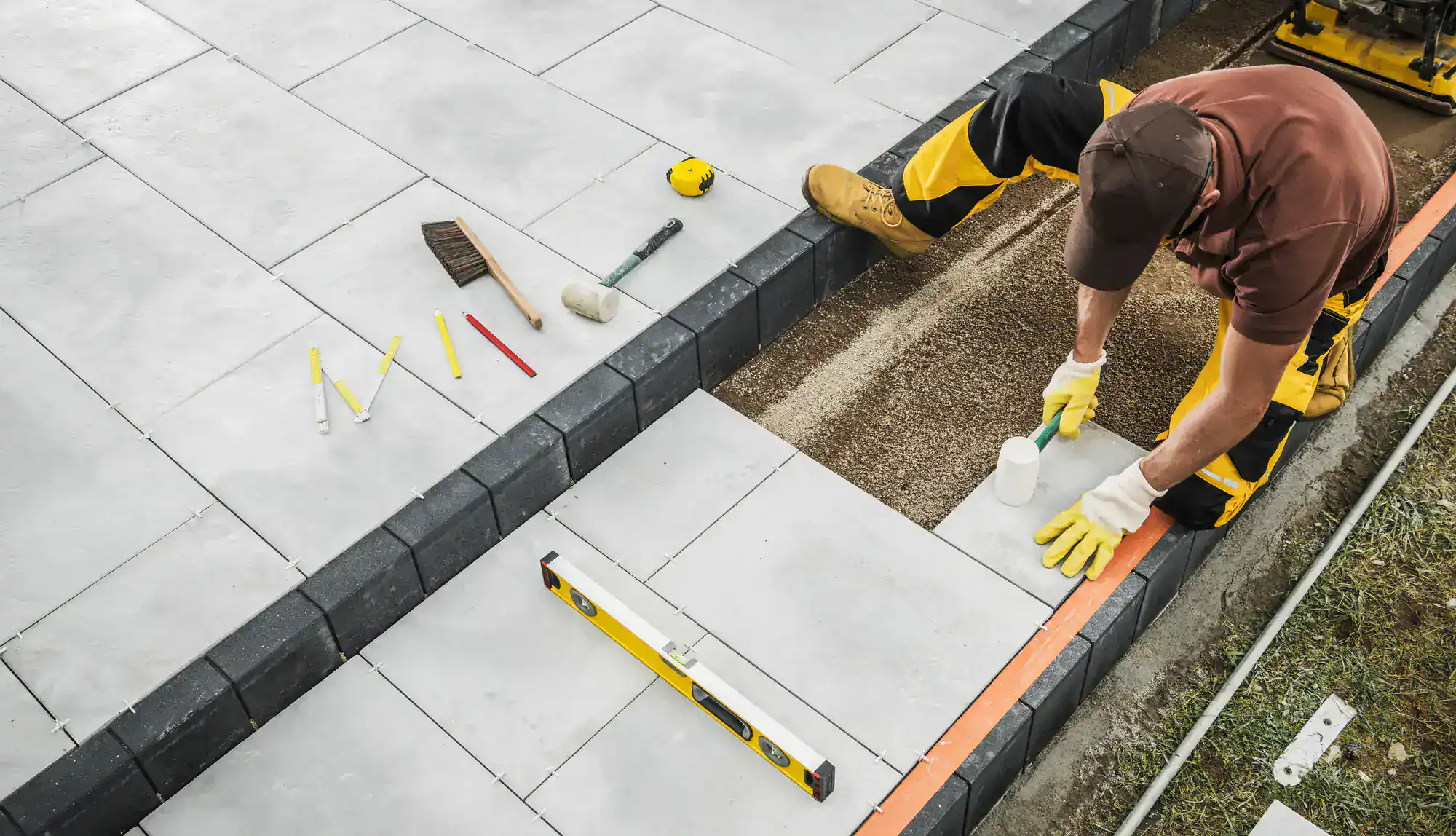
How to find a licensed contractor using the CSLB database
California makes it remarkably easy to verify contractor credentials. The Contractors State License Board maintains a searchable database at cslb.ca.gov that shows you everything you need to know in about 30 seconds. This is your first line of defense against contractor scams.
You can search by license number, business name, or the contractor’s personal name. The results show whether their license is active, expired, or suspended. You’ll see their license classification—important because a roofing contractor shouldn’t be doing your electrical work. The database also displays any complaints filed against them and disciplinary actions taken.
Here’s what most people miss when trying to find a licensed contractor: the database shows their workers’ compensation status and bond information. If it says “exempt from workers’ compensation,” that means they claim to work alone with no employees. If workers show up at your house, that’s your first red flag that something isn’t right.
The CSLB also maintains a “Most Wanted” list of known fraudulent operators. Check it. It takes two minutes and could save you thousands. The board actively investigates unlicensed contracting throughout California, conducting regular sting operations in areas like Contra Costa County.
Don’t stop at the state database. Check their BBB rating, read Google reviews, and search their name plus “complaint” or “scam.” Patterns emerge quickly when you look beyond what the contractor tells you directly.
One more thing: ask to see their physical pocket license and photo ID when they come to your home. Make sure the person standing in your kitchen is actually the licensed contractor, not a salesperson working under someone else’s credentials. California law requires contractors to display their license number on all business materials, including contracts and business cards.
Why license verification matters more in Contra Costa County
Contra Costa County isn’t immune to contractor fraud. In fact, the area has become a target. Recent enforcement operations in Walnut Creek identified 13 individuals offering contracting services without valid licenses. One was arrested on an outstanding warrant for the same offense in another county. These weren’t isolated incidents—they’re part of a pattern that homeowners need to understand.
The area’s affluent neighborhoods make it attractive to scammers. They know that Walnut Creek and Concord homeowners often have significant renovation budgets. They also know that elderly residents—a growing demographic in the county—are statistically more vulnerable to these schemes. One unlicensed contractor operating under various business names specifically targeted elderly residents in these communities, taking thousands of dollars before disappearing.
Local sting operations have uncovered bids ranging from $1,200 to $12,000 for bathroom remodels and painting work—all from unlicensed operators. These aren’t small-time handymen making honest mistakes. They’re running calculated operations designed to extract money and disappear before you realize what happened.
The financial stakes are high here. With median home values approaching $790,000 in Contra Costa County, even a modest kitchen remodel represents a substantial investment. Unlicensed contractors don’t just risk poor workmanship. They expose you to liability if workers get injured, leave you with no recourse when they abandon the project, and often violate building codes that can complicate future sales.
Contra Costa County also has specific building codes and permitting requirements that vary by city. A licensed residential contractor familiar with local regulations knows which projects need permits, how to navigate the approval process, and what inspections are required. Unlicensed operators either don’t know or don’t care—leaving you to deal with the consequences when you try to sell or when an injury occurs on your property.
Contractor Scams: How They Actually Work
Understanding how contractor scams operate gives you the pattern recognition to spot them before you’re in too deep. These aren’t random acts—they’re calculated schemes that follow predictable patterns.
The most common scheme is simple: take a large deposit and disappear. California law caps deposits at 10% of the contract price or $1,000, whichever is less. Anyone asking for more is either ignorant of the law or deliberately breaking it. Neither option is good for you.
Some contractors do show up and start work. The scam comes later when they discover “unexpected problems” that require thousands more to fix. Or they drag the project out indefinitely, always needing more money for the next phase but never quite finishing what they promised.

Red flags that signal contractor scams
Certain behaviors consistently predict problems with a residential contractor. Learn to recognize them early and you’ll save yourself thousands in losses and months of frustration.
Pressure tactics are the clearest warning sign. “This price is only good today” or “I have another customer interested” are manipulation strategies, not legitimate business practices. Quality contractors don’t need to pressure you because they’re confident in their work and their schedule. They understand that home remodeling decisions require careful consideration and they’ll give you time to review proposals.
Contractors who show up at your door unsolicited—especially after storms or in neighborhoods where work is visible—are often running scams. Legitimate contractors rarely need to cold-call because referrals keep them busy. Be especially wary of out-of-state contractors working from their vehicles rather than established offices.
Watch out for bids that come in significantly lower than others. If you get three estimates around $40,000 and one at $25,000, the low bidder either missed something major or plans to cut corners you won’t see until it’s too late. They might also be planning the “unexpected problems” scam where the real costs emerge after you’ve committed. A bid that’s 25-30% below competitors is almost always a red flag.
Refusal to provide a written contract is an automatic disqualification. “We can just shake on it” means you have zero legal recourse when things go wrong. Every legitimate project needs a detailed written contract specifying scope, materials, timeline, and payment schedule. Be suspicious of handwritten estimates on napkins or contractors who won’t specify material brands and grades.
Be suspicious of contractors operating solely from cell phones or P.O. boxes. Established businesses have physical locations, professional websites, and long-term local presence. If they’re hard to reach before the project starts, imagine how difficult they’ll be when you need them to fix something or address concerns.
Cash-only payment requests eliminate your paper trail and usually indicate they’re avoiding taxes or hiding something. Always pay by check or credit card so you have documentation and dispute options if the work isn’t completed properly.
Finally, contractors who discourage you from pulling permits or claim permits aren’t necessary are setting you up for problems. Permits aren’t bureaucratic hassle—they ensure work meets safety codes and protect your investment. Avoiding them is a red flag that the contractor either isn’t properly licensed or doesn’t want their work inspected by local authorities.
The real cost of contractor fraud in California
The numbers are sobering. Home improvement scams cost Americans $82 million in just two years. Reports to the Federal Trade Commission increased from under 3,000 annually before 2018 to over 30,000 in 2020. Even as the pandemic spike has subsided, reports remain five times higher than pre-2018 levels. These aren’t just statistics—they represent real families losing real money.
In California specifically, about 2.7 out of every 10,000 homeowners fall victim to contractor scams each year. That might sound like a small percentage until you consider what it means for victims. We’re not talking about minor inconveniences—these are life-altering financial losses that can devastate families.
The Contractors State License Board received over 20,500 complaints last year, a 19% increase from the previous year. That’s just reported cases. Many victims never file formal complaints because they’re embarrassed, don’t know where to report, or have given up hope of recovery.
Contra Costa County has seen its share of these cases. One unlicensed contractor operating under various business names—”Gutierrez Tree Services,” “New View Tree Care”—defrauded multiple victims in Walnut Creek and Concord. He specifically targeted elderly residents in affluent neighborhoods, taking thousands of dollars and either failing to complete work or never starting at all. When authorities finally arrested him, investigators believed there were additional victims throughout Contra Costa County and the Central Valley who hadn’t come forward.
The financial loss is only part of the damage. Victims describe the emotional toll: the violation of trust, the stress of dealing with unfinished projects, the embarrassment of admitting they were scammed. Some face additional costs to fix shoddy work or complete abandoned projects. Others discover that work done without permits creates problems when they try to sell their homes.
For elderly victims on fixed incomes, these losses can be devastating. Money saved over years for home improvements disappears in days. The dream of aging in place in a renovated home becomes a nightmare of financial instability and legal complications. Some victims find themselves responsible for injuries that occur because the contractor didn’t carry proper workers’ compensation insurance.
Even when the work gets completed, unlicensed contractors often leave homeowners with code violations, failed inspections, and structural problems that emerge months or years later. The true cost extends far beyond the initial financial loss.
Smart hiring protects your home investment
Protecting yourself from contractor scams doesn’t require paranoia or extensive construction knowledge. It requires following a few straightforward steps consistently every single time you hire.
Verify every residential contractor’s license through the CSLB database before you sign anything. Check their insurance coverage. Get at least three written bids and be suspicious of any that come in significantly lower. Never pay more than 10% or $1,000 upfront, whichever is less. Insist on detailed written contracts that specify materials, timelines, and payment schedules. Trust your instincts when something feels off—pressure tactics and vague answers are warning signs worth heeding.
These aren’t just good practices—they’re your financial safety net in an industry where scams remain prevalent. Contra Costa County homeowners have significant investments to protect, and choosing the right residential contractor makes all the difference between a successful project and a costly nightmare. When you’re ready to move forward with your remodeling project, working with us at DoPro Construction gives you the transparency, credentials, and accountability that protect your investment from start to finish.