
Summary:
What Hardscaping Does for Your Outdoor Living Space
Hardscaping means permanent outdoor structures—patios, walkways, retaining walls, outdoor kitchens, fire features. Built with stone, concrete pavers, brick, or natural materials that don’t need seasonal replanting or constant upkeep.
Unlike grass and gardens that need watering, mowing, and maintenance, hardscaping creates stable zones where you place furniture, cook meals, or gather around fire without dealing with mud or uneven ground. It’s the backbone that makes your yard work.
Bay Area climate makes this especially practical. You’re not building for three summer months. You’re creating outdoor rooms usable nearly every day of the year. That’s daily value, not occasional use.
Why Hardscaping Beats Decks for Long-Term Value
Decks look appealing until you factor in reality. Wood needs staining every few years. Composite costs more upfront. Both eventually need replacement—10 to 15 years for wood, longer for composite but still not permanent.
Hardscaped patios last 50-plus years with minimal care. Sweep them occasionally. That’s it. No staining, no sealing, no rot or termite concerns. When you calculate cost over time, hardscaping wins.
Average deck installation runs $8,220 to $14,000 nationally. Patios average $4,000, though Bay Area pricing runs higher across all construction. Even accounting for regional costs, you’re paying less for something that lasts longer and requires less ongoing investment.
Privacy works differently too. Elevated decks expose you to neighbors’ sightlines. Ground-level patios let you use landscaping, retaining walls, and natural barriers to create seclusion without adding screening structures.
Fire safety matters if you want outdoor cooking or fire features. Stone and concrete handle heat without modification. Wood decks need special consideration or restrictions on where you place grills and fire pits. Hardscaping gives you flexibility without safety compromises.
Weight capacity is another factor most people don’t consider until it’s a problem. Hot tubs, heavy outdoor furniture, large gatherings—patios handle it without structural concerns. Decks have load limits that can restrict what you add later.
What Makes Hardscaping Smart for Bay Area Properties
In Contra Costa County, CA and Alameda County, CA, where median home values top $1.2 million, you think twice about where money goes. Hardscaping makes financial sense for reasons beyond curb appeal.
Property value increase is measurable. Well-designed patio installation adds 8 to 12 percent to home value. ROI typically exceeds 80 percent—better than most kitchen or bathroom remodels. Outdoor kitchens in warm climates see 100 to 200 percent returns because they get used year-round, not just summer weekends.
You’re solving the space problem without the cost of adding rooms. Bay Area home additions run $350 to $500 per square foot. Hardscaping delivers usable outdoor square footage at a fraction of that cost. No structural engineering, no tearing into your house, no displacing your family during construction.
California climate supports outdoor living in ways colder regions can’t match. No freeze-thaw cycles cracking concrete. No extended winters making patios unusable. You’re building infrastructure that delivers value 12 months a year, not three.
Drainage and erosion matter in Bay Area properties, especially hillside lots common throughout the region. Permeable pavers manage California’s unpredictable rainfall without creating runoff problems. Retaining walls stabilize slopes and prevent soil loss. Hardscape design isn’t decorative—it’s functional infrastructure protecting your investment.
The lifestyle fit is obvious. Indoor-outdoor living is how people want to live here. Ground-level patios flow naturally from kitchen or living areas into outdoor dining and lounge zones. It’s seamless integration that matches how Bay Area homeowners actually use their properties.
Hardscape Design Elements Worth the Investment
Not every hardscape feature delivers equal value. Some get daily use. Others sit empty because they don’t match how you actually live.
The most functional designs create distinct outdoor rooms—zones serving specific purposes. Dining area with table and shade. Lounge space with seating and fire pit. Cooking zone with grill and prep counter. When each area has clear function, you’ll use it.
Outdoor lighting extends usability into evening hours and adds safety along walkways. Strategic placement highlights features and creates ambiance without flooding the space with brightness. It’s the difference between outdoor space you use after dark and one that sits empty once the sun sets.
Choosing Patio Materials That Last in Bay Area Climate
Material choice determines how your hardscaping performs over decades. You’re balancing durability, appearance, and budget.
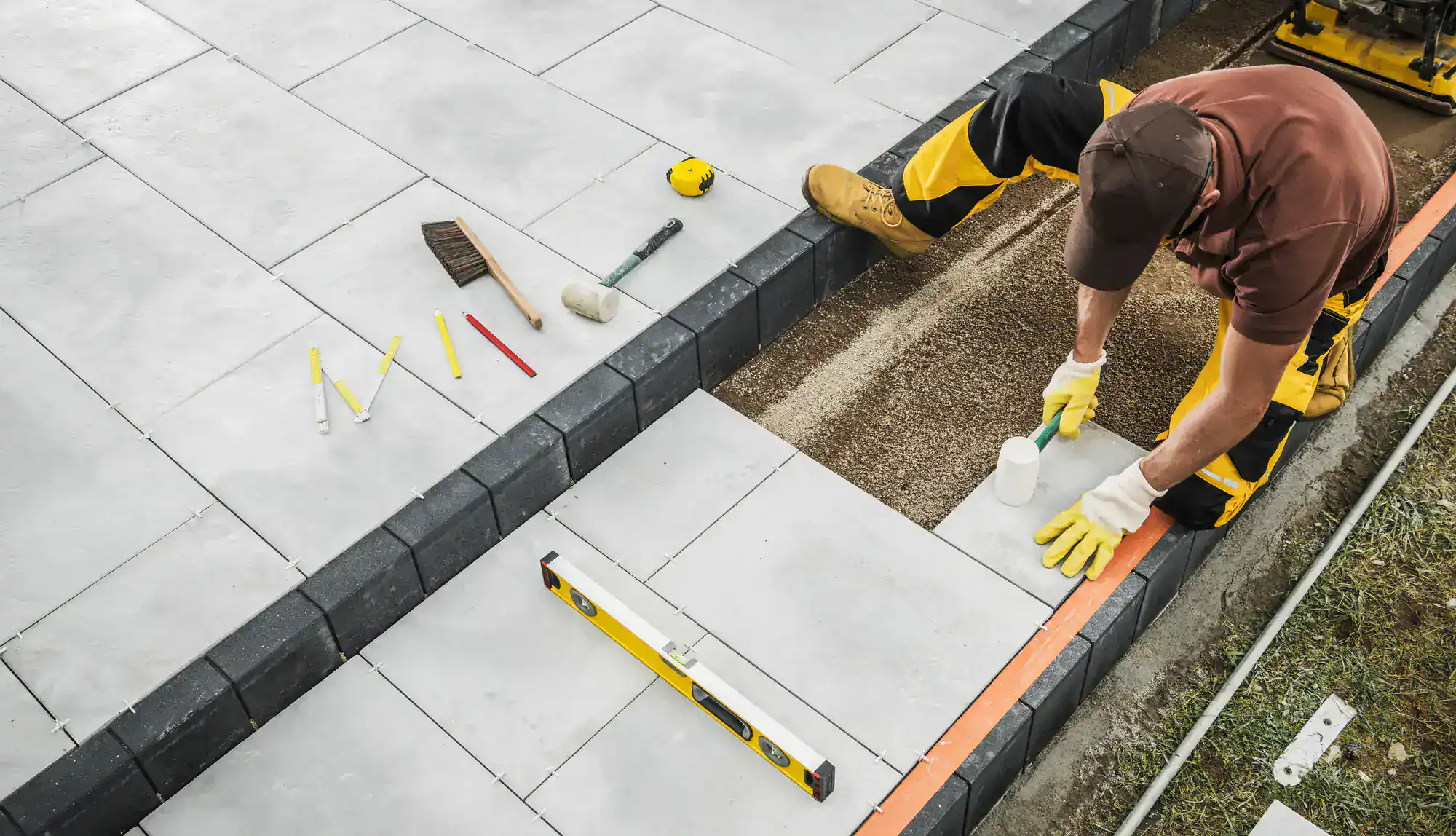
Concrete pavers deliver versatility at reasonable cost—$4 to $12 per square foot before installation. They come in sizes, shapes, and colors that allow custom patterns complementing your home’s architecture. Durable, easy to replace if one cracks, and they handle foot traffic without issue.
Natural stone runs higher—up to $30 per square foot—but ages beautifully. Flagstone, bluestone, slate bring texture and authenticity manufactured materials can’t match. They blend with Bay Area landscaping and feel appropriate in properties with traditional or rustic design.
Permeable pavers deserve attention for California properties. They let water infiltrate naturally, reducing runoff and supporting groundwater replenishment. In areas with drainage concerns or environmental requirements, permeable systems solve problems while looking identical to standard pavers.
Installation quality matters as much as material selection. Proper base preparation, grading for drainage, edge restraints—these prevent settling, shifting, joint separation. Bay Area soil conditions, slope management, local building codes all factor into installation lasting decades instead of needing repairs in five years.
Retaining walls often pair with patio installation, especially on sloped properties throughout Contra Costa County, CA and Alameda County, CA. They create level areas where none existed, prevent erosion, add visual interest with tiered landscaping. Built correctly, they’re structural elements protecting your property long-term.
Outdoor Kitchens and Fire Features That Get Used
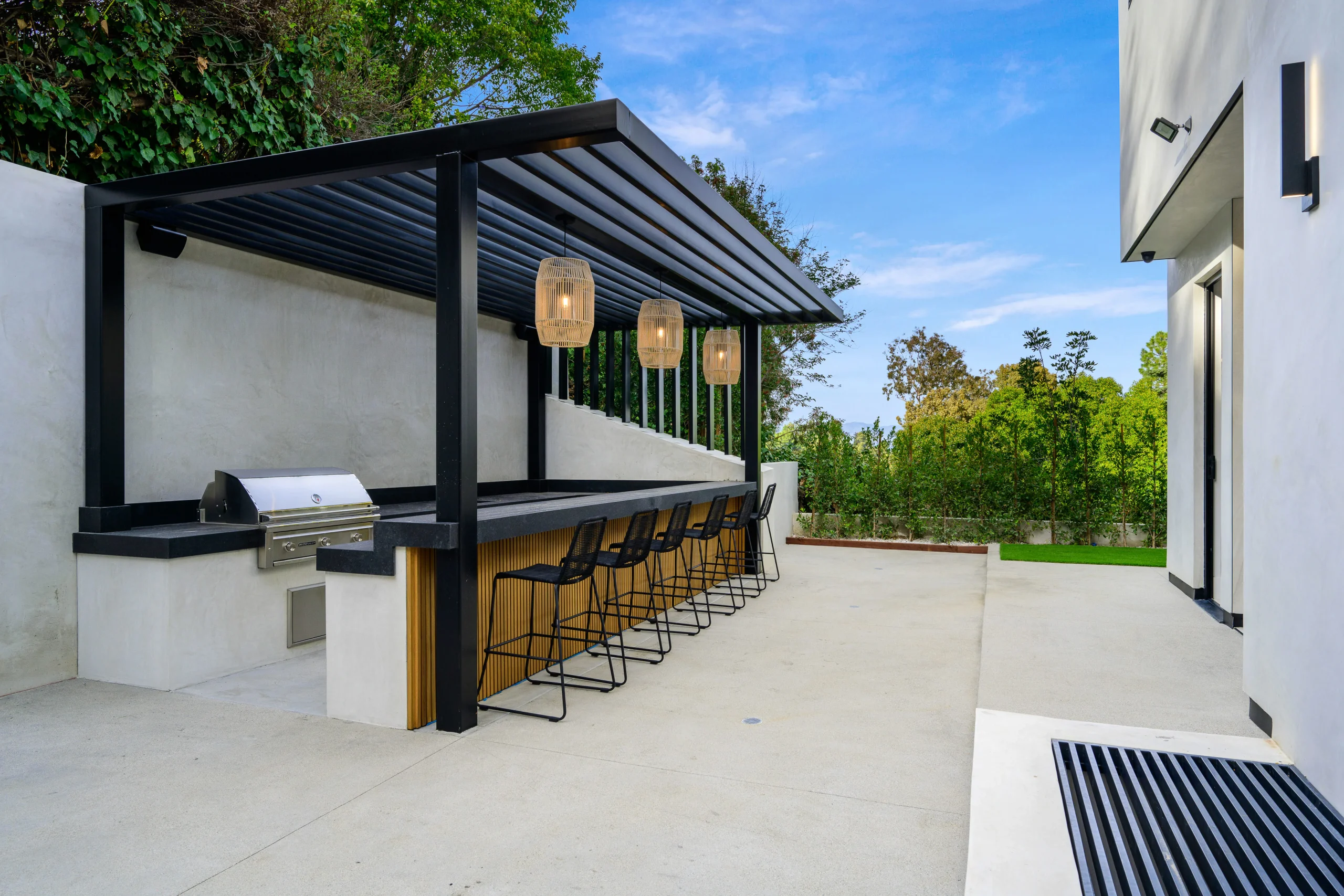
Outdoor kitchens don’t have to be elaborate. The basics—built-in grill, counter space, storage—change how you use outdoor space. Add sink and small refrigerator, and you’ve eliminated most trips inside during meals or gatherings.
Bay Area climate means outdoor kitchens see real use. Not occasional summer barbecues—cooking space used multiple times weekly, spring through fall and beyond. That’s why outdoor kitchens deliver strong ROI here. They’re functional additions, not decorative extras.
Fire pits and outdoor fireplaces create gathering spots extending usability into cooler evenings. They’re focal points drawing people together, whether you’re with family or hosting friends after dark. Built-in fire features using stone or brick return 80 to 100 percent of investment, depending on materials and complexity.
Proportion matters with both outdoor kitchens and fire features. They should fit your property size and match your home’s style. Elaborate outdoor kitchen on modest lot feels out of place. Simple, well-executed hardscape design complementing your home’s architecture delivers better value and broader buyer appeal.
Placement determines whether features actually function. Outdoor kitchens work best near your indoor kitchen for supply access. Fire pits need clearance from structures and positioning where smoke won’t drift into seating or neighbors’ yards. These aren’t installation-day decisions—they’re planning considerations affecting whether your hardscaping works the way you want.
Material durability is non-negotiable for outdoor kitchens. Countertops must handle weather, heat, heavy use. Stone, concrete, tile perform well. Stainless steel appliances and storage resist rust and hold up to Bay Area’s coastal moisture. Cheap materials fail quickly outdoors. Quality materials cost more upfront but eliminate replacement expenses down the line.
Getting Hardscaping Right for Your Property
Hardscaping extends living space in ways that make sense for how you actually use your property. It’s functional infrastructure lasting decades, requiring minimal maintenance, and delivering measurable ROI in Contra Costa County, CA and Alameda County, CA’s competitive real estate market.
Best projects start with clear goals. Know what you want the space to do. Understand your property’s constraints—slope, drainage, sun exposure. Choose materials matching your budget and home’s style. Work with contractors knowing Bay Area building codes, soil conditions, and installation techniques preventing problems years later.
If you’re ready to transform your yard into usable outdoor living space, we bring over 40 years of experience to Contra Costa and Alameda Counties. With both general contractor and roofing licenses, we handle hardscaping projects from patio design through completion—outdoor kitchens, retaining walls, fire features built to last.