Summary:
Why Roofing Materials Are Harder to Find in 2026
The material shortage isn’t a myth or a sales tactic. It’s a real supply chain issue affecting the entire roofing industry. Asphalt shingle shipments dropped 10% in 2025 even as residential demand grew. Manufacturers cite port backlogs, slower imports, and rising raw material costs—particularly oil prices, which directly impact asphalt production.
Tariff changes on imported steel, aluminum, and specialized fasteners add another layer of complexity. Labor shortages compound the problem, with 62% of contractors reporting difficulty finding skilled roofers. When you combine limited material production with fewer workers to install those materials, you get longer lead times and tighter availability.
Popular products like asphalt shingles, TPO membranes, and polyiso insulation are often backordered for weeks. Distributors recommend pre-ordering materials months in advance, and some contractors now switch suppliers mid-project just to stay on schedule. This isn’t how the industry operated five years ago, but it’s the reality today.
What's Actually Causing Supply Chain Disruptions
The shortage stems from multiple pressure points hitting simultaneously. Port delays continue affecting material imports, particularly for metal roofing components that rely on overseas manufacturing. Raw material costs have spiked—asphalt prices increased significantly due to oil market volatility, while steel and aluminum face tariff-related price swings.
Manufacturing capacity hasn’t kept pace with demand. Some asphalt shingle manufacturers scaled back production runs when costs rose, creating gaps in supply that persist months later. Resin shortages constrain TPO membrane production, which is critical for flat or low-slope roofs. These aren’t temporary blips. They’re structural issues that will take time to resolve.
Transportation adds another bottleneck. Even when materials are manufactured, getting them from plant to distributor to contractor takes longer than it used to. Trucking costs remain elevated, and driver shortages mean deliveries that once took days now take weeks. Weather events and seasonal demand spikes can quickly deplete local inventories, forcing contractors to source materials from farther away or accept longer wait times.
The labor shortage amplifies everything. Fewer skilled workers mean projects take longer to complete, which ties up materials and equipment. Training new workers requires time and investment that many companies can’t spare when they’re already stretched thin. Immigration policy changes have reduced workforce availability in some regions, making it even harder to staff projects adequately.
What this means for you: expect longer lead times between signing a contract and starting work. Contractors with established supplier relationships and the ability to pre-order materials will be better positioned to keep your project on schedule. Ask potential contractors how they’re managing material availability before you commit.
How Material Shortages Affect Pricing and Availability
Pricing volatility is one of the toughest aspects of the current shortage. Material costs have jumped 30-50% compared to pre-pandemic levels for many roofing products. The average asphalt roof replacement reached $30,680 in 2025, up 15% from 2022. Metal roof installations averaged $17,762, reflecting strong demand for durable materials despite higher costs.
These aren’t arbitrary price increases. Asphalt shingle costs rose because oil prices increased, fiberglass mat production became more expensive, and transportation costs stayed elevated. Metal roofing faces tariff-related uncertainty that makes pricing harder to predict. Contractors can’t always lock in material costs weeks in advance because suppliers themselves don’t know what they’ll be charged.
The gap between asphalt and metal roofing costs has narrowed. Metal used to cost significantly more, but as asphalt prices climbed and metal manufacturing became more efficient, the difference shrank. For some homeowners, this makes metal roofing—which lasts 40-70 years compared to asphalt’s 20-30 years—a more attractive long-term investment despite the higher upfront cost.
Availability varies by material type and region. Asphalt shingles dominate the market at 52% global share, but that doesn’t mean they’re always in stock. Popular colors and styles can be backordered for weeks. Metal roofing accounts for about 18% of the market and is growing, but specialized components may require custom ordering. Eco-friendly and recycled materials are gaining traction but often have limited local availability.
Contractors with strong supplier relationships can sometimes secure materials faster or at better prices. Those who buy in bulk or maintain inventory may be less affected by spot shortages. This is where choosing an experienced, established contractor matters—they’ve built the relationships and systems to navigate supply constraints more effectively than newer companies.
Some suppliers now enforce minimum order requirements or prioritize larger contractors, which can disadvantage smaller firms. This consolidation means fewer options for homeowners in some markets. It also means that getting multiple quotes might reveal significant price differences based on each contractor’s supplier access and purchasing power.
Comparing Roofing Materials: Asphalt Shingles, Metal, and Eco-Friendly Options
Material selection matters more in 2026 because availability and pricing vary significantly across options. Asphalt shingles remain the most common choice—69% of homeowners currently have them—but metal roofing and eco-friendly alternatives are gaining ground for good reasons.
Each material brings different trade-offs in cost, lifespan, energy efficiency, and availability. Understanding these differences helps you make a decision that aligns with your budget, your home’s needs, and current market realities. What worked for your neighbor five years ago might not be the best choice today given supply constraints and pricing changes.
The key is matching material characteristics to your priorities. If upfront cost is your main concern, asphalt shingles still offer the most affordable entry point. If you’re planning to stay in your home long-term and want to minimize future replacements, metal roofing’s 40-70 year lifespan makes more sense despite higher initial costs. If environmental impact matters to you, recycled and eco-friendly options are more available now than ever before.
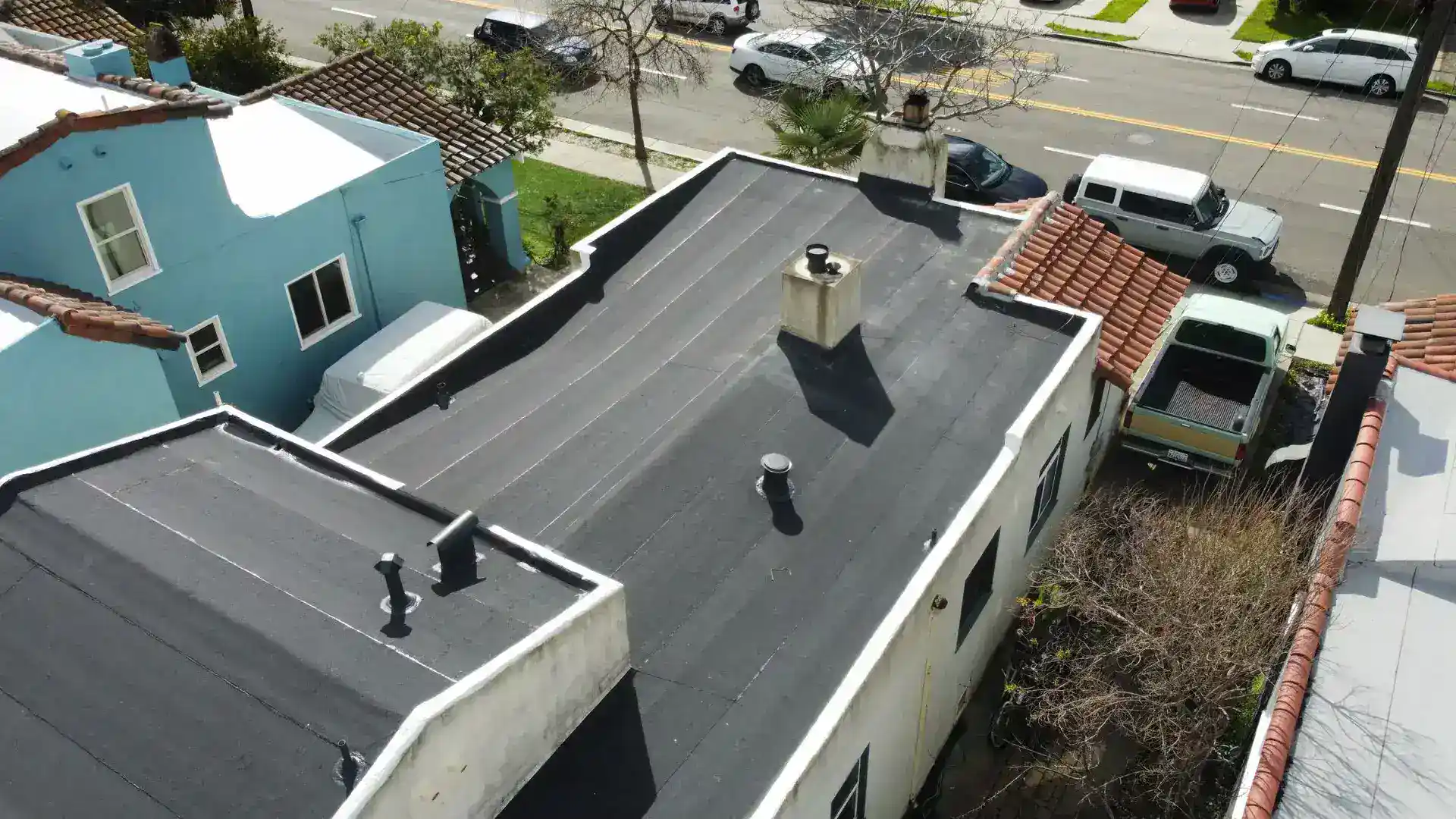
Asphalt Shingles: Availability, Cost, and Lifespan in 2026
Asphalt shingles dominate residential roofing for straightforward reasons: they’re affordable, widely available, and familiar to contractors. Architectural shingles last about 30 years, while three-tab shingles typically last 20 years. They come in numerous colors and styles, making it easy to match your home’s aesthetic.
But 2026 brings challenges. Shipments fell 10% in 2025 despite growing demand, creating availability gaps for popular styles and colors. Rising oil costs pushed prices up significantly—asphalt is a petroleum product, so when oil prices spike, shingle costs follow. Fiberglass mat production and transportation costs add to the total.
The average asphalt roof replacement now costs around $30,680, up from roughly $26,700 in 2022. That’s a 15% increase in three years. In high-cost markets like Contra Costa County, CA and Alameda County, CA, expect prices at the upper end or above these averages. Labor costs have also increased 14% on average, adding to the total project cost.
Installation is relatively quick—most asphalt shingle roofs can be completed in 1-3 days on an average home if weather cooperates. This speed matters when you’re living through a construction project. Contractors are familiar with asphalt installation, which reduces the risk of errors compared to less common materials.
Asphalt shingles perform well in moderate climates but can lose granules over time, especially after hail damage or heavy winds. In the Bay Area’s Mediterranean climate, they’ll typically reach their expected lifespan without major issues. Proper ventilation and underlayment are critical for maximizing longevity.
Energy efficiency is a consideration. Dark asphalt shingles absorb heat, which can increase cooling costs during warm months. Cool roof options with higher solar reflectivity are available and can reduce surface temperatures significantly. If energy efficiency matters to you, ask about reflective coatings or lighter-colored shingles.
The environmental impact is worth noting. Asphalt shingles aren’t easily recyclable, and millions of tons end up in landfills each year. They’re petroleum-based, which doesn’t align with sustainability goals. However, some manufacturers now incorporate recycled materials—including upcycled tires and recycled plastics—to reduce landfill waste while improving durability.
Metal Roofing and Eco-Friendly Materials: Durability and Sustainability
Metal roofing has moved from niche to mainstream, now representing 18% of the market with adoption growing steadily. The appeal is straightforward: metal roofs last 40-70 years, with some materials like zinc and copper exceeding 100 years. That’s two to three times longer than asphalt shingles, which means fewer replacements over your home’s lifetime.
Upfront costs are higher—metal roof installations averaged $17,762 in 2025, though complex installations or premium materials can exceed that significantly. But the price gap with asphalt has narrowed as asphalt costs increased. When you factor in longevity, metal often delivers better value over time despite the higher initial investment.
Metal roofing reflects heat effectively, which helps reduce cooling costs during warm months. This matters in the Bay Area where summer temperatures can climb. Metal sheds snow efficiently in areas that get winter weather, and it holds up exceptionally well against wind and hail. Many metal options carry Class 4 impact resistance ratings, the highest available.
Maintenance requirements are minimal—occasional inspections and minor fastener tightening. Metal doesn’t lose granules like asphalt, doesn’t rot like wood, and resists fire. For homeowners planning to stay in their homes long-term, metal eliminates the need for another roof replacement in 20-30 years.
Availability can be more constrained than asphalt. Specialized components may require custom ordering, and tariff uncertainty on imported steel and aluminum creates pricing volatility. Lead times can extend several weeks for certain styles or finishes. Contractors need specialized installation knowledge, so not every roofing company offers metal as an option.
Eco-friendly and sustainable materials are gaining real traction. Recycled shingles made from old tires, plastics, and wood fibers offer 40-50 year lifespans while diverting waste from landfills. Some manufacturers incorporate recycled content into standard shingles, with certain products including polymers from upcycled tires and recycled plastics.
Cool roofing systems that reflect solar radiation are now used in approximately 34% of new commercial installations. These systems can reflect up to 80% of the sun’s energy, reducing surface temperatures by 20-30°C. For residential applications, cool roof coatings and light-colored materials offer similar benefits.
Metal roofing itself is highly recyclable—steel is the most recycled material in North America. Many metal roofs contain 25-95% recycled content and can be recycled again at end of life. This circular economy approach significantly reduces environmental impact compared to materials that end up in landfills.
Clay and slate tiles offer natural, durable options that can last 50-100+ years. They’re heavy, expensive, and require structural support, but they’re completely recyclable and made from natural materials. Reclaimed tiles reduce environmental impact further by giving old materials new life.
The sustainability conversation isn’t just about materials—it’s about longevity. A roof that lasts 50-70 years without replacement is inherently more sustainable than one that needs replacing every 20 years, regardless of the material composition. Fewer replacements mean less manufacturing, less transportation, less installation labor, and less waste.
Making Smart Roofing Decisions Despite Market Uncertainty
Material shortages, price volatility, and supply chain constraints make 2026 a challenging year to replace a roof. But roofs don’t wait for ideal market conditions. When yours needs replacement, you have to move forward despite the uncertainty.
The most important decision isn’t which material to choose or when to schedule—it’s which contractor to trust. An experienced, licensed contractor with strong supplier relationships can navigate material shortages more effectively than you can alone. We know which materials are actually available, which suppliers have inventory, and how to keep your project on schedule despite constraints.
Look for contractors who are transparent about challenges, realistic about timelines, and willing to explain how they’re managing material availability. Ask about supplier relationships, whether materials are pre-ordered, and how unexpected delays are handled. The right contractor will have clear answers because we’ve already adapted to the new market reality.
We’ve served Contra Costa County, CA and Alameda County, CA for over 40 years, building the supplier relationships and market knowledge that matter when materials are constrained and pricing is volatile. Our dual licensing in both general contracting and roofing, combined with our Never Get Burnt Guarantee of zero upfront payments, offers the kind of protection and expertise that makes sense when the market feels uncertain.