Summary:
Smart Storage Solutions That Maximize Every Inch
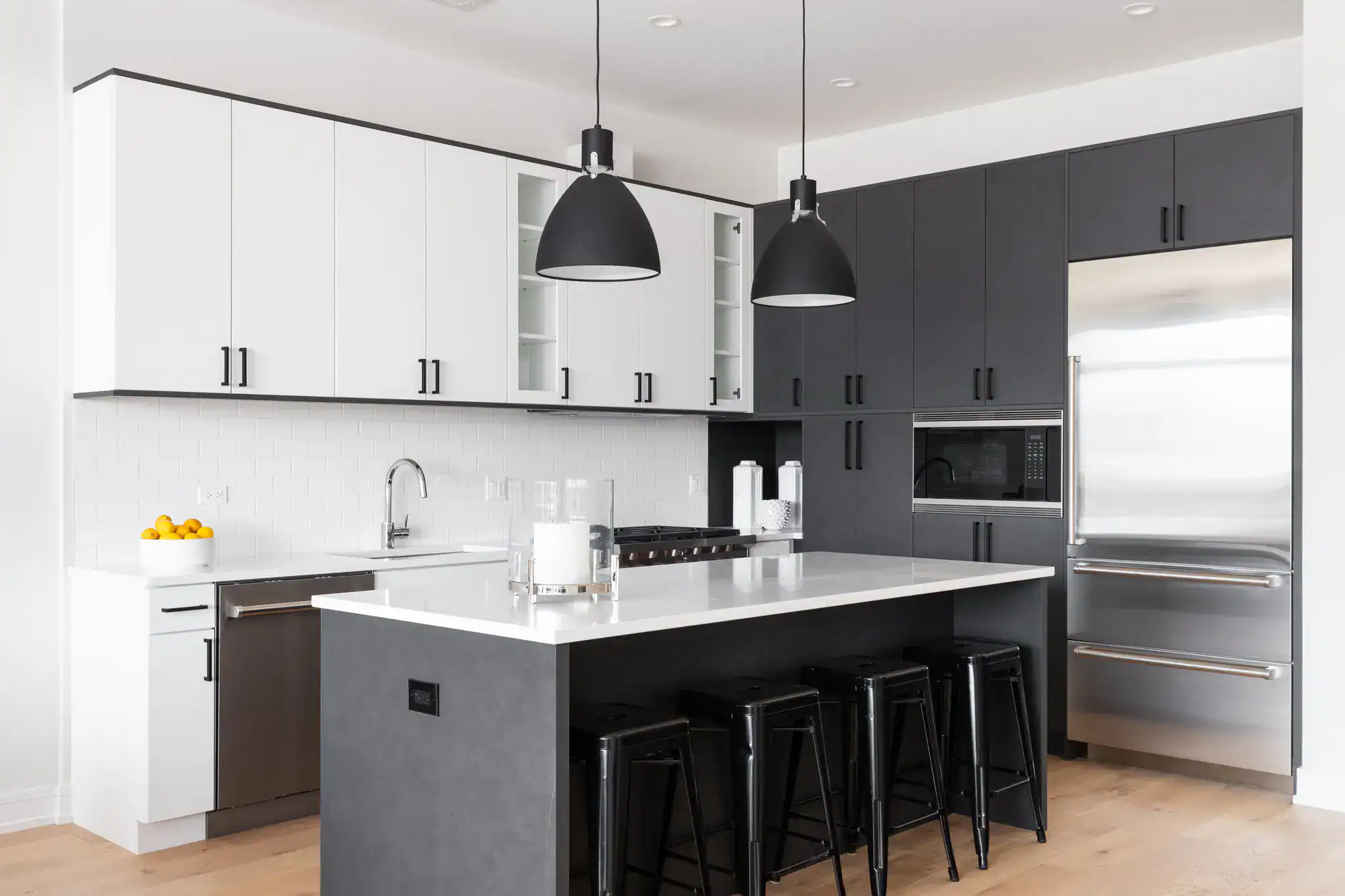
Storage problems don’t get solved by adding more cabinets. They get solved by rethinking how every inch works. In Contra Costa County, CA and Alameda County, CA, where kitchens average 150 to 250 square feet and remodels run $65,000 to $95,000, wasted space is wasted money.
Custom cabinetry designed around how you actually cook changes everything. Vertical pull-out racks bring spices to eye level instead of making you dig through a cabinet. Toe-kick drawers transform the 4 inches under your cabinets into storage for baking sheets. Deep drawers with custom dividers keep utensils organized without the junk drawer chaos.
These systems cost a fraction of premium countertops but impact your routine more than any surface ever will.
Hidden Pantry Systems and Pull-Out Storage
Not every kitchen has room for a walk-in pantry. That’s where floor-to-ceiling pull-out pantry systems earn their keep. These units slide out to reveal multiple shelves of storage, fitting into spaces as narrow as 12 inches. Everything stays visible and accessible without dedicating an entire wall to open shelving that collects dust.
Corner cabinets traditionally become black holes for forgotten Tupperware. Two-tiered carousels and pull-out shelving systems solve that by bringing deep corners into rotation. You’re not reaching blindly into the back—you’re pulling the whole unit forward.
Trash and recycling get the same treatment. In 2026, 64% of homeowners are adding pullout cabinets for waste bins to keep them hidden but accessible. No more visible trash cans interrupting sightlines or taking up floor space. The bin slides out when you need it, disappears when you don’t.
Specialized drawer organizers take this further. Knife blocks built into drawers instead of sitting on counters. Spice drawer inserts that let you see every label at a glance. Cutlery dividers that actually fit your flatware. These cost hundreds, not thousands, but they’re what keep your kitchen organized six months after your remodel wraps.
The key is planning storage around tasks, not just maximizing cabinet count. If you bake weekly, you need accessible space for stand mixers. If you meal prep, you need drawer space for containers that actually stack. We ask about your cooking habits before drawing cabinet layouts, not after.
Appliance Garages and Concealed Charging Stations
Countertop clutter kills the clean look faster than anything else. Coffee makers, toasters, blenders—all essential, none photogenic. Appliance garages solve this with dedicated cabinets featuring roll-up or pocket doors that hide appliances while keeping them plugged in and ready to use.
The best setups include interior outlets and pull-out shelves. Your stand mixer stays in place, the door closes, and your counters look showroom-ready even when you’re using the kitchen hard. In open-concept Bay Area homes where the kitchen flows into living spaces, this visual control matters.
Concealed charging stations work the same way. Instead of phone cords snaking across counters, you get a shallow drawer with built-in USB ports and wireless charging pads. Devices charge out of sight, cords stay organized, and you reclaim usable counter space.
These features cost less than you’d expect during a kitchen renovation—often a few hundred dollars. But they’re the details that separate kitchens that look good in photos from kitchens that function well daily. When we integrate these from the start, you’re building in convenience that compounds over years.
Smart storage isn’t about stuffing more into cabinets. It’s about designing systems that make everything easier to find, use, and put away. That’s the difference between a remodel you tolerate and one you actually enjoy using.
Tech Integration and Smart Kitchen Features
Smart technology in kitchens used to mean touchscreen fridges nobody used. That’s changed. The tech showing up in modern kitchen remodels is practical, invisible, and designed to handle tasks you’re already doing—just faster and with less friction.
Motion-sensor faucets turn on when you wave a hand. Drawer lighting activates when you open it. Voice-controlled range hoods adjust fan speed without you touching anything. These aren’t gadgets for the sake of gadgets—they’re solutions to real annoyances, like turning on a faucet with raw chicken on your hands.
The best smart features disappear into your routine until cooking just feels smoother.

Motion-Activated Lighting and Touch-to-Open Cabinets
Under-cabinet lighting has existed forever, but motion-activated LED strips take it further. They sense when you’re working at the counter and light up automatically. No switches to fumble for. No wasted energy when you walk away. Just light exactly when and where you need it.
Drawer lighting works the same way. Open a drawer, LEDs illuminate the interior so you can actually see what’s inside—especially useful for deep drawers or early morning coffee prep. These systems run on low-voltage power and add minimal cost during installation, but they change how usable your kitchen feels in low light.
Touch-to-open cabinets eliminate hardware entirely. A light push on the cabinet door, and it pops open. No handles to clean around, no hardware to match, and a completely seamless look across your cabinetry. This works especially well in modern or minimalist kitchens where visible hardware would interrupt clean lines.
The tech isn’t complicated. Soft-close mechanisms already exist in quality cabinets, and touch-to-open systems use similar hardware with a different trigger. We can integrate these during installation without custom orders or extended lead times.
Motion sensors also show up in pantries and cabinets. Open the door, interior lights activate so you can see the top shelf without dragging over a step stool. It’s a small upgrade that makes a noticeable difference when you’re storing items vertically or in deeper cabinets.
Smart Sinks and Integrated Prep Zones
Sinks aren’t just bowls for washing dishes anymore. Workstation sinks come with integrated accessories—cutting boards that sit over the basin, colanders that nest inside, drying racks that slide across the top. You’re prepping, washing, and draining all in the same footprint, saving counter space and tightening your workflow.
Some models include built-in ledges where accessories hang or slide, keeping everything organized without cluttering the area around your sink. Pull out what you need, use it, tuck it back. The sink becomes a multi-functional prep zone instead of just a place to rinse vegetables.
Filtered water taps built into sinks are gaining traction in Contra Costa County, CA kitchens. Instead of a separate filter pitcher taking up fridge space, you get instant filtered water from a dedicated tap. Cleaner, faster, and one less thing sitting on your counter.
Smart faucets with voice control or touchless activation make sense when your hands are full or messy. Wave, tap with your wrist, or say the command. Water turns on, you rinse, you’re done. No smudges on the faucet, no fumbling with handles.
These upgrades don’t require tearing out walls or rerouting plumbing. Most fit into standard sink cutouts and connect to existing water lines. Installation happens during your kitchen remodel without adding weeks to the timeline, and the functionality boost is immediate.
Think about how often you use the sink—it’s probably the most-touched surface in the room. Upgrading it to handle more tasks, more cleanly, and with less effort makes sense, especially when the cost is a fraction of what you’d spend on high-end countertops or custom cabinetry.
Planning Your Kitchen Remodel With Hidden Features Built In
Hidden features don’t happen by accident. They require planning before demo starts, not after cabinets are installed. The best time to integrate pull-out pantries, motion-sensor lighting, and appliance garages is during the design phase, when we map out electrical, plumbing, and cabinet layouts around these systems.
Start by identifying what frustrates you most about your current kitchen. Cluttered counters? Disorganized drawers? Appliances you can’t reach? Those pain points guide which hidden features will actually improve your daily routine versus which ones just sound nice in theory.
Work with a kitchen remodeling company that asks questions about how you cook, where you prep, and what you store. A good kitchen renovation in Contra Costa County, CA or Alameda County, CA isn’t about copying trends—it’s about building a space that works for your specific needs. When those hidden systems are designed around real use cases, they deliver value you’ll notice every single day.
If you’re ready to plan a kitchen that works as well as it looks, we bring over four decades of combined experience to Bay Area homes, handling everything from layout design to final installation with transparent pricing, no upfront payments, and dedicated project management.