Summary:
Why Most Exterior Paint Fails in California's Climate
California’s year-round sunshine creates a perfect storm for paint destruction. UV radiation from the sun causes paint film to break down, leading to chalking, fading, and premature failure. What looks like a minor fading issue is actually molecular damage happening every day your home sits exposed.
Between hot summers and wet winters, exterior paint faces real tests in durability. Temperature swings cause paint to expand and contract, while UV rays, seasonal rain, and drought conditions create fading, cracking, and surface damage that may not be immediately visible.
The result? Cheap paint showing discoloration and peeling after just 1-2 years, forcing homeowners into a costly cycle of frequent repaints.
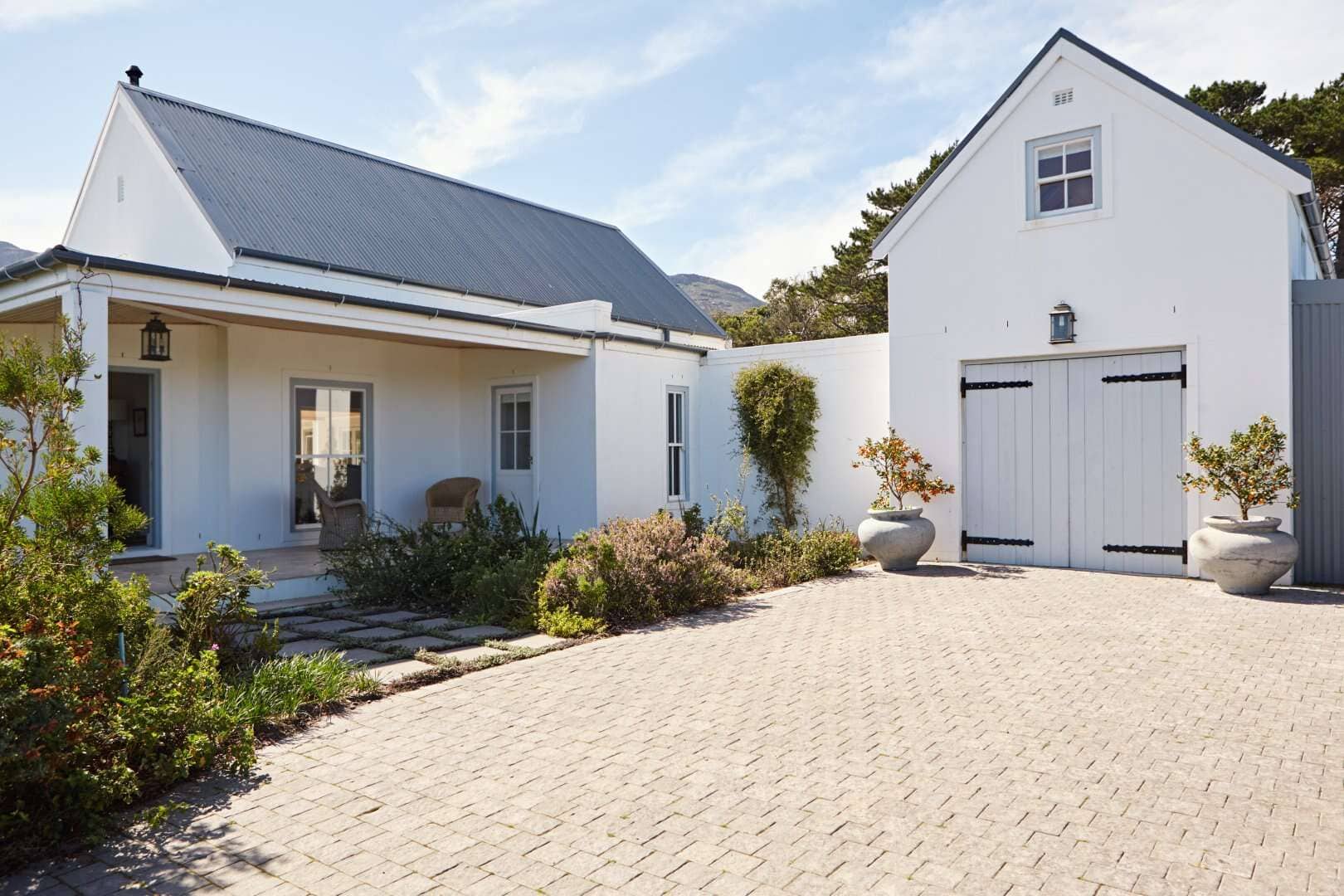
The UV Damage Process Most Homeowners Don't Understand
Think of UV damage like a slow-motion sunburn happening to your home’s exterior. Ultraviolet rays break down the pigments in paint, causing colors to fade and look dull over time, making UV protection one of the most important features to look for.
The sun’s UV rays break down your clear coat, causing fading, oxidation, and eventually peeling, and over time, this damage exposes the paint to rust and corrosion. California drivers are especially vulnerable due to year-round sunlight—and the same applies to your home’s exterior.
Surfaces that receive direct sunlight for most of the day may see a reduced lifespan due to increased UV exposure. South and west-facing walls take the biggest beating, often showing damage years before other areas of your home.
But here’s what most people don’t realize: lighter shades tend to last longer as they reflect more sunlight, while darker colors absorb heat, leading to quicker degradation compared to lighter hues under varying weather conditions. This single color choice can add years to your paint job’s lifespan.
The good news? High-quality paints are formulated with special additives that reflect sunlight and resist fading, and investing in paint with superior UV resistance ensures your exterior painting project delivers lasting curb appeal.
Surface Preparation: The Make-or-Break Factor
Here’s the secret most painting contractors won’t tell you: the actual painting of a home only constitutes about 25% of the total paint job. However, the most crucial part of maintaining your home’s appearance is the preparation work.
A thorough prep job can make a significant difference, potentially extending the time between paint jobs from four years to nine years. That’s more than doubling your paint job’s lifespan through proper preparation alone.
If a previous painting contractor or homeowner neglected proper surface preparation, the paint will fail much sooner, and if a home is not sufficiently scraped, sanded, filled, caulked, and primed, it will not only cause premature failure of the current paint job—it will also reduce the durability of future painting projects.
Professional preparation involves power washing to remove years of accumulated dirt and mildew, scraping loose paint, filling cracks and holes, and applying the right primer for your specific surface. Thorough preparation maximizes the performance of UV-resistant paints, and a clean, repaired, primed surface gives your topcoat the best chance to withstand intense sun and weather.
One of the keys to a beautiful, durable exterior paint job is thorough surface preparation, and fall’s moderate climate allows professionals to properly clean, sand, patch, and prime surfaces, ensuring lasting protection against weather and wear.
Choosing Paint That Actually Survives California Sun
Not all “exterior paint” is created equal. High-quality 100% acrylic latex paints like Sherwin-Williams Duration and Rhino Shield offer the best protection against fading, cracking, and peeling, and these brands are known for their durability in harsh weather conditions.
Nothing beats Benjamin Moore Aura for UV resistance, according to professional painters who’ve tested multiple brands in California’s demanding climate. Aura is widely trusted for coastal homes because of its ability to handle both humidity and UV exposure while maintaining color vibrancy, and it resists fading even on south- and west-facing walls.
The key is understanding what makes these paints different from cheaper alternatives that promise the same results.
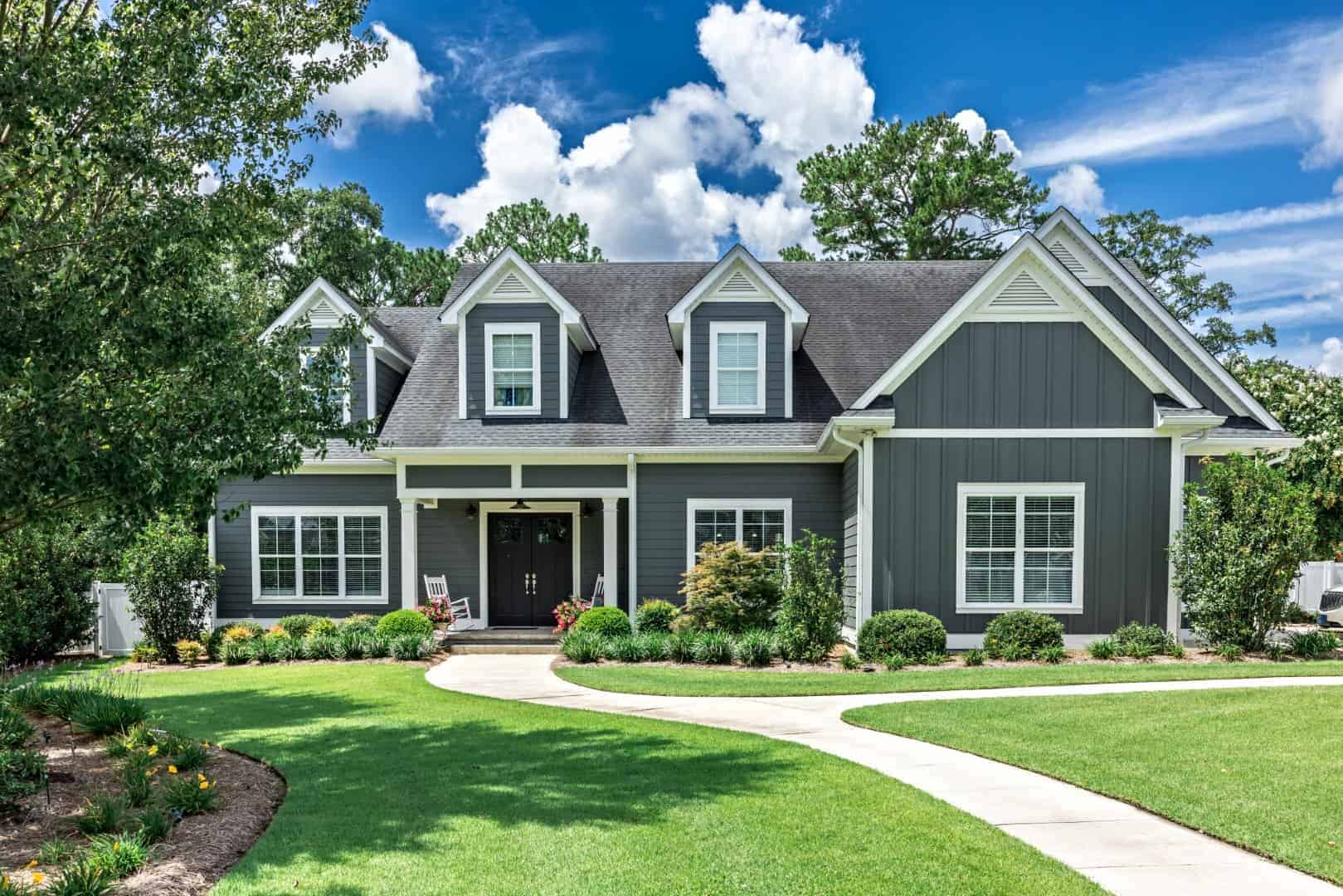
The Science Behind UV-Resistant Paint Technology
Look for 100% acrylic binders for superior adhesion and durability versus vinyl-acrylic blends, and titanium dioxide is a key pigment that improves opacity and UV performance, with premium products typically using more concentrated, higher-grade pigments for lasting color.
Paint formulations with high UV resistance contain special additives that prevent the sun’s ultraviolet rays from breaking down the paint structure, so look for products specifically labeled “UV resistant” or “high UV protection” for best results.
For most exterior projects, acrylic latex paint is the gold standard, known for its durability and flexibility that expands and contracts with temperature changes, meaning it’s less likely to crack or peel over time—a huge plus in Southern California’s fluctuating climate, and it also adheres incredibly well to a variety of surfaces and is resistant to fading from the sun’s harsh UV rays.
Premium products with added UV protectants and mildewcides can often exceed the 10-year mark, offering superior longevity and performance. These advanced formulations cost more upfront but deliver dramatically better value when you calculate cost per year of protection.
Solar reflective pigments in some premium paints can reduce heat absorption by up to 20%, prolonging paint life and improving energy efficiency, while elastomeric coatings provide extra thickness and flexibility, making them ideal for areas with extreme temperature fluctuations from sun exposure.
Application Timing That Maximizes Paint Performance
When you paint matters almost as much as what paint you choose. Contra Costa’s fall weather is a painter’s dream—mild temperatures, lower humidity, and minimal rainfall, and these conditions create an environment that allows exterior paint to adhere smoothly, dry evenly, and cure properly compared to the hot, dry summers and unpredictable spring showers.
By choosing to paint in the fall, you allow for sufficient drying before cold or wet weather sets in, protection against winter rain and wind that can damage unpainted or aging surfaces, and fall’s temperate weather helps eco-friendly paints perform at their best, allowing proper curing, while high-quality, weather-resistant paints and finishes designed for the demands of Contra Costa’s climate ensure your paint holds its color and protection no matter the season.
Paint during dry, mild weather—typically above 50°F—and avoid painting in direct, intense sun or when rain is expected within 24–48 hours, and follow recoat windows for proper curing. Professional painters understand these timing nuances that can make or break your paint job’s longevity.
Fall is traditionally a less busy season for painting contractors in Contra Costa, which benefits you in several ways: you’re more likely to secure your preferred dates, enjoy shorter wait times, and see faster project completion. This means you get better attention to detail without the peak-season rush.
The result? With solid prep and careful application, a quality UV-resistant system will protect and beautify your home for years, giving you the decade-plus performance that makes the investment worthwhile.
Getting Professional Results That Actually Last
The life-expectancy in the San Francisco Bay area of a professionally produced exterior paint job should be approximately 9 to 11 years, though this will vary based on many factors. The difference between a 3-year paint job and an 11-year paint job often comes down to the expertise and attention to detail of your painting contractor.
Once your house has been fully repainted professionally, you can expect to not have to repaint for another 10-15 years minimum because professionals invest the time to make sure any underlying issues are fixed before beginning a project, and professional house painters always use at least a double coat of high quality paint, locking in the repairs and keeping your house looking beautiful for a decade.
When you’re ready to invest in exterior painting that actually protects your home for the long term, we bring the expertise and materials needed to deliver those decade-plus results in Contra Costa and Alameda counties.