
Summary:
The Real Cost of Moving in the Bay Area Right Now
Most people think about the down payment and monthly mortgage when they consider moving. That’s only half the picture.
Selling your current home means paying 5-6% in realtor commissions. On a $1.2 million home in Walnut Creek or Lafayette, that’s $60,000-$72,000 gone before you even start looking. Add closing costs, moving expenses, and the reality that you’ll probably need to do some updates just to compete in the market, and you’re easily past $100,000 before you’ve purchased anything new.
Then there’s the buying side. Higher interest rates mean your monthly payment jumps even if you’re buying a comparable home. You’re competing with cash buyers and tech money. And that “move-in ready” house? It’s priced to reflect every upgrade the previous owner made—upgrades you might not even want.

What $200K in Moving Costs Actually Buys You in a Remodel
Let’s say you’re sitting on $150,000-$200,000 in costs if you move. What does that same money do if you stay and renovate?
A full kitchen remodel in Contra Costa County runs $50,000-$150,000 depending on scope and finishes. You can gut the space, reconfigure the layout, add an island, install premium appliances, and create the exact kitchen you’ve been picturing. Not someone else’s vision—yours.
Bathroom remodeling in Alameda County typically costs $25,000-$70,000 per bathroom. Two full bathroom renovations with luxury fixtures, heated floors, and spa-quality finishes still leave you with budget to spare.
Add garage conversions for a home office or ADU, and you’re looking at $45,000-$100,000 for 250-400 square feet of brand-new, functional space. That’s rental income potential or room for aging parents without the cost of buying a bigger house.
You’re not just saving money. You’re directing every dollar toward features that matter to your family, in a neighborhood you already love, near schools and routines that work. The math isn’t close.
Why Bay Area Homeowners Are Choosing Renovation Over Relocation
Sixty-three percent of U.S. homeowners now prefer upgrading their current space rather than relocating. In the Bay Area, that number feels even higher when you factor in local market conditions.
Housing inventory remains tight. Mortgage rates are higher than they’ve been in years. And the premium for move-in ready homes in desirable areas like Danville, Alamo, or Pleasant Hill has never been steeper.
Renovation lets you stay in the community you know. Your kids don’t switch schools. You keep the commute that works. You maintain relationships with neighbors and local businesses. These aren’t small things when you’re weighing a major life decision.
There’s also the ROI angle. Kitchen remodels in the Bay Area can return 79-110% of their cost. Bathroom upgrades return 86-100%. Garage conversions and ADUs can increase property value by 60-85% while also generating $1,500-$4,000 monthly in rental income if you choose to rent the space.
You’re not just spending money on a renovation. You’re investing in your property’s value while improving your daily quality of life. When you eventually do sell—regardless of if that’s in five years or fifteen—you’ll recoup a significant portion of what you spent. Try getting that return from realtor commissions and moving trucks.
What to Expect from a Home Remodeling Project
Renovation isn’t without challenges. Anyone who tells you otherwise is selling something.
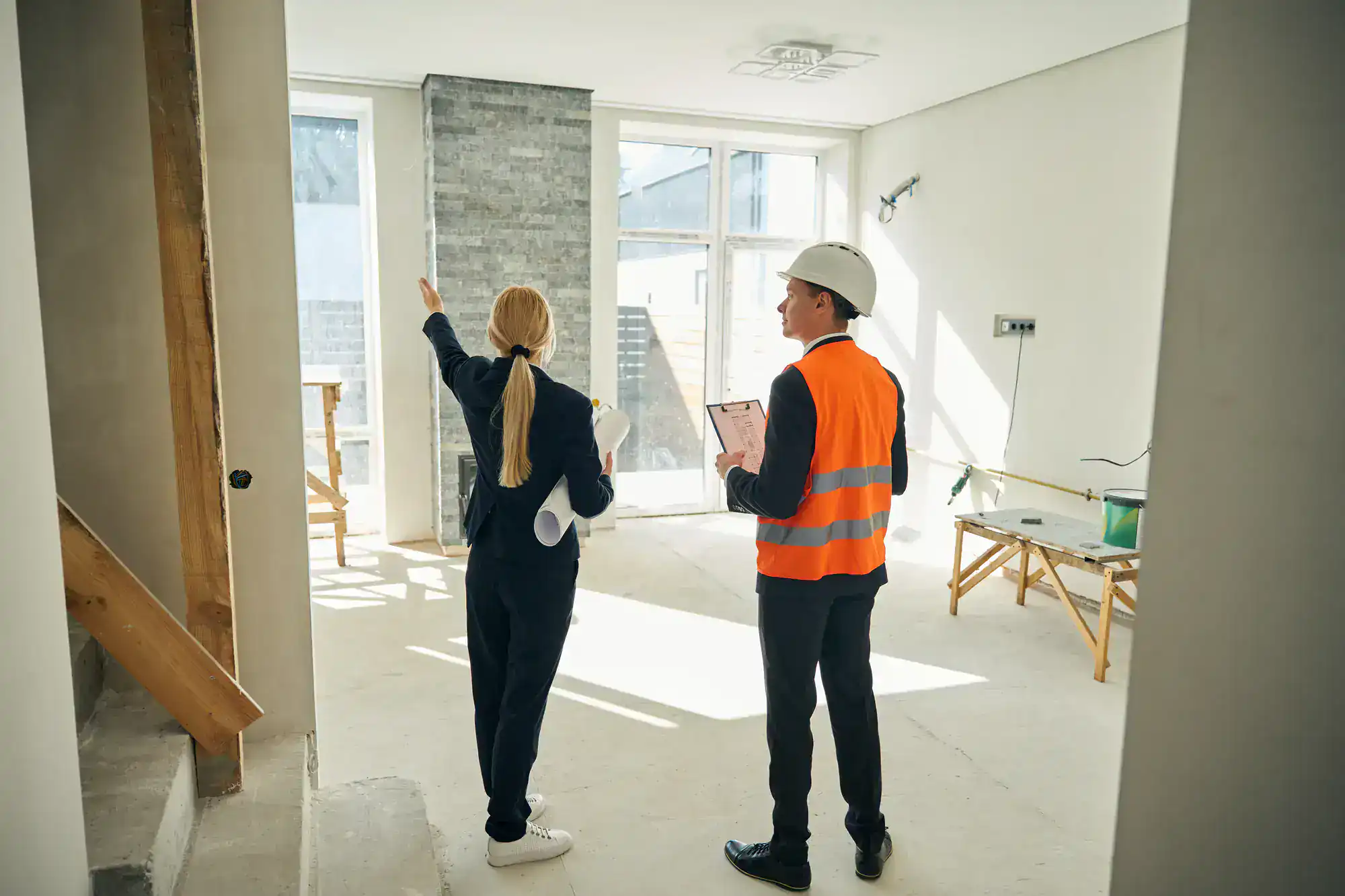
Living through construction is disruptive. You’ll need temporary spaces if you’re remodeling a kitchen. Dust happens despite the best containment efforts. Timelines shift when inspectors find outdated wiring or plumbing that needs upgrading to meet current code.
But here’s the difference between a nightmare remodel and one that actually works: the contractor you choose and how they manage the process. Communication, transparency, and realistic expectations matter more than anything else.
How to Avoid the Biggest Home Remodeling Mistakes
Thirty-eight percent of homeowners exceed their renovation budget due to poor planning. Most of those overruns come from the same handful of mistakes.
First, unrealistic timelines. HGTV has convinced people that complex projects happen in weeks. In reality, a full kitchen or bathroom remodel in Contra Costa County takes 8-12 weeks once construction starts. Permitting adds time before that. If you’re doing structural work or dealing with an older home, plan for longer.
Second, choosing the cheapest bid. Low bids usually mean cut corners, lower-quality materials, or contractors who disappear mid-project. You’re not looking for the most expensive option either—you’re looking for transparent pricing, clear communication, and a contractor who explains what you’re paying for.
Third, poor communication. Miscommunication and mismatched expectations cause most contractor-homeowner conflicts. You need a dedicated point of contact who responds quickly, provides regular updates, and addresses concerns before they become problems.
The contractors who do this well treat your project like it’s their own home. They walk you through what to expect at each phase. They protect your property during construction. They handle permits and inspections without you needing to chase anyone down. And they’re upfront about potential issues before they become expensive surprises.
What Makes a General Contractor Worth Trusting in the Bay Area
Trust is everything when you’re handing someone access to your home and a six-figure budget.
Start with licensing and insurance. A general contractor in California should carry both a contractor’s license and liability insurance. If they also hold a roofing license, that’s a sign they can handle more aspects of your project without coordinating multiple subcontractors. Fewer handoffs mean fewer communication breakdowns.
Look for BBB accreditation and industry certifications. These aren’t just badges—they’re third-party validation that the company meets professional standards and resolves complaints fairly.
Ask about payment terms. Any contractor demanding large upfront payments before work starts should raise red flags. The best contractors offer flexible payment structures tied to project milestones, and some even offer financing options for eco-friendly upgrades.
Pay attention to how they communicate during the bidding process. Do they return calls quickly? Do they ask detailed questions about your goals and budget? Do they explain the permitting process and realistic timelines without pressuring you to sign immediately? The way they handle the sales process previews how they’ll handle your project.
Finally, ask about project management. Will you have a dedicated project manager, or will you be coordinating with different people depending on the day? Weekly progress updates should be standard, not a special perk. And site protection—tarps, floor coverings, dust barriers—should be part of their process, not something you need to request.
The right contractor doesn’t just build what you want. They make the process manageable, transparent, and as stress-free as a major renovation can be.
Making the Decision That's Right for Your Family
Moving made sense five years ago. Today, the math has changed.
Renovation gives you control over your budget, your timeline, and exactly what you’re getting. You stay in the neighborhood that works for your family. You invest in your property’s value instead of paying transaction costs. And when you work with the right contractor, you get a home that’s tailored to how you actually live—not how the previous owner lived.
If you’re in Contra Costa County or Alameda County and weighing your options, start by getting real numbers. What would moving actually cost when you add up every fee, every closing cost, every unexpected expense? Then compare that to what a thoughtful, well-planned renovation would run.
We’ve helped Bay Area homeowners make this exact decision for over four decades. We bring both general contractor and roofing expertise, flexible financing, and a Never Get Burnt Guarantee that means you don’t pay a dime until we’ve earned it. If you’re ready to explore what’s possible with the home you already own, let’s talk.