Home Remodelers in Castro Valley, CA
Castro Valley Homes Built in the '60s Deserve Better Than Band-Aids
Hear from Our Customers
Home Renovations Castro Valley, CA
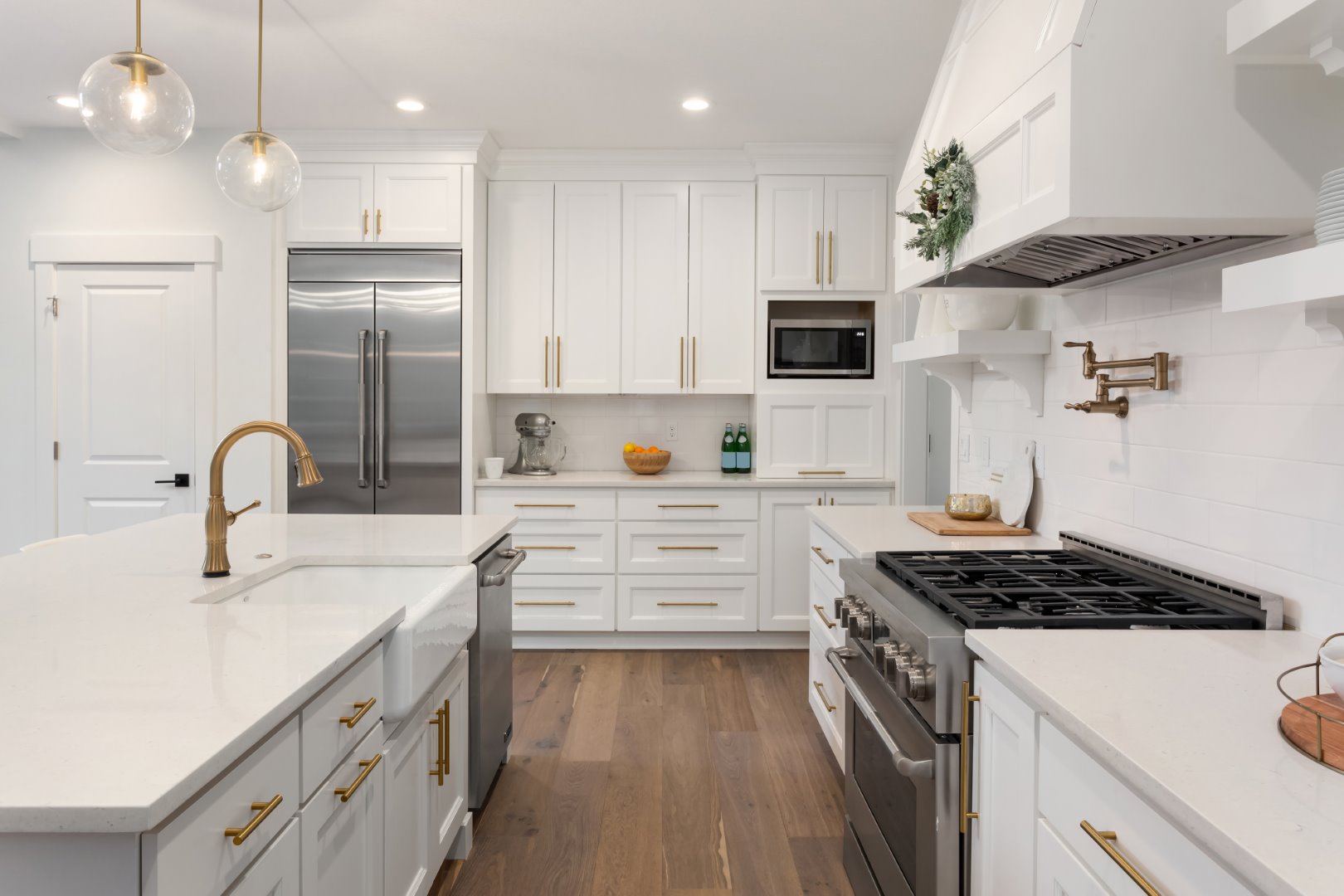
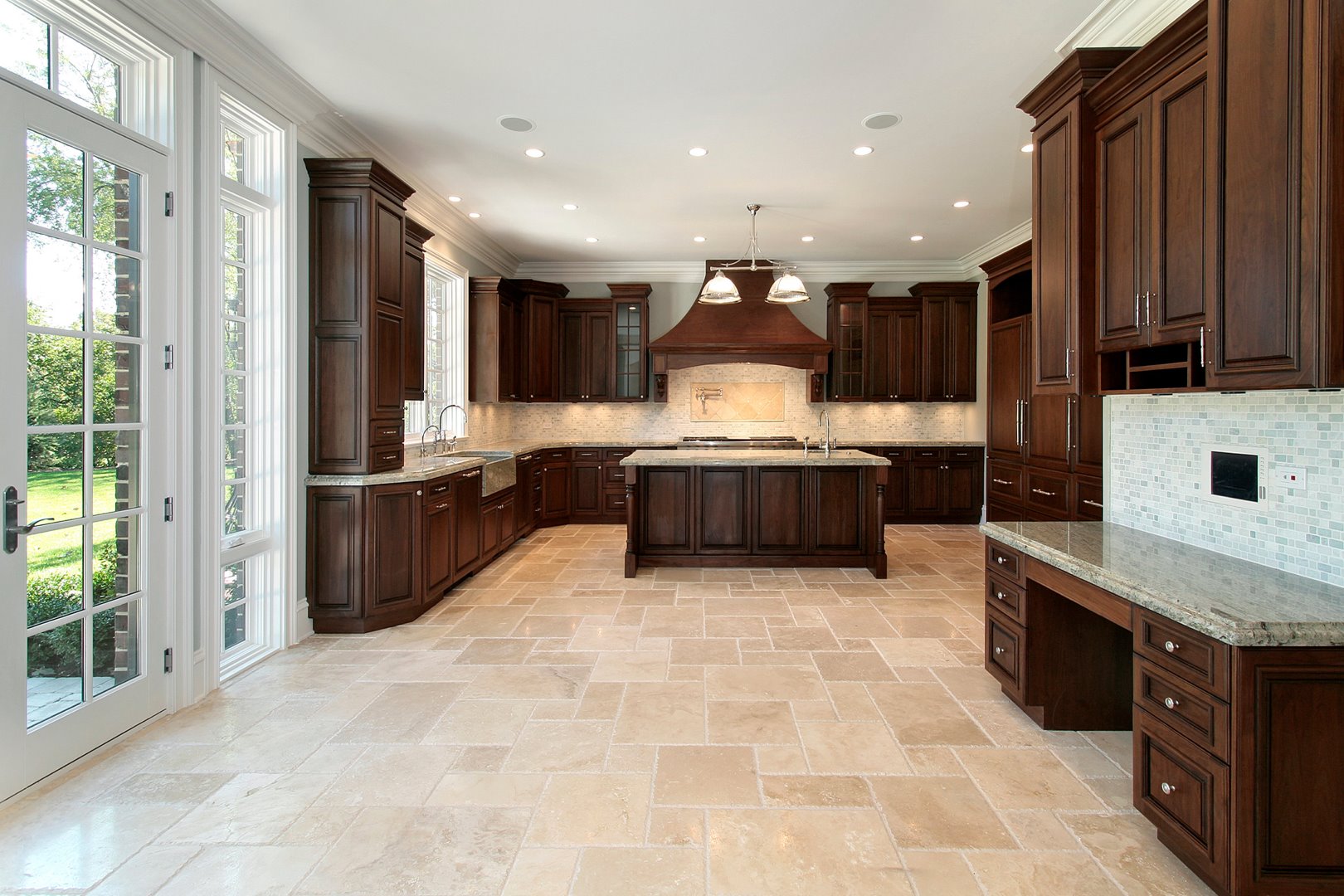
Most Castro Valley homes were built around 1966. That means the kitchen your family uses every day was designed for a 1960s lifestyle — closed off, cramped, and completely out of step with how you actually live. The bathroom probably hasn’t been touched since the original owners. And if you’ve been in the house long enough, you already know what’s lurking behind those walls: galvanized pipes that have lost pressure, an electrical panel that wasn’t built for modern loads, insulation that does almost nothing.
A real remodel doesn’t just make things look better. It fixes what’s actually wrong. For homeowners in Palomares Hills or Five Canyons, the picture is a little different — those homes are newer, but they’re hitting the age where kitchens, bathrooms, and flooring are all due for a meaningful update at the same time.
Either way, the result of doing this right is a home that’s easier to live in, worth significantly more, and built to last another 30 years — not just patched up for a few. Because Castro Valley is unincorporated Alameda County, every permitted remodel also protects your title. Unpermitted work in this area creates real problems at resale. When the work is done correctly, inspected, and on record with the county, your investment is protected from the moment the last nail goes in.
Licensed Home Remodeling Contractor Castro Valley
We hold both a California General Contractor (B) license and a Roofing (C-39) license — which matters more than it sounds. Most contractors in the Bay Area carry one or the other. When your Castro Valley home needs structural remodeling and roofing work at the same time — which is common in homes built 50 to 70 years ago — you’d normally be coordinating two separate contractors, two contracts, and two timelines. With us, that’s one conversation.
We’re based out of Walnut Creek, right over the hill via I-580, and have been working in Alameda County long enough to know what county-level permitting actually looks like in practice — not just in theory. From hillside lots near Crow Canyon to established neighborhoods closer to Castro Valley Boulevard, the work gets handled the same way every time: a dedicated project manager, weekly updates, and zero money upfront until you’re satisfied. That’s not a sales line — it’s our guarantee, in writing.
Whole House Remodeling Process Castro Valley
It starts with a real conversation about what you want, what your home actually needs, and what the budget looks like. We don’t show up with a pitch — we show up to listen, look at the space, and give you an honest read on scope and timeline before anything else happens. If the project involves structural changes, additions, or anything that touches electrical, plumbing, or the roofline, permits get pulled through the Alameda County Building and Safety Division. That’s not optional, and any contractor who suggests skipping it is setting you up for a problem down the road.
Once the scope is locked in and permits are in motion, your dedicated project manager takes over as your single point of contact. You’ll hear from them weekly — not because you had to ask, but because that’s how we run every job in Castro Valley. If you’re commuting to Oakland or San Francisco via BART and you’re away from home most of the day, you won’t be left wondering what’s happening with your own house.
For hillside properties in areas like Palomares Hills or along the Cull Canyon corridor, the process includes additional attention to drainage, grading, and slope conditions before any ground-level work begins. These aren’t afterthoughts — they’re built into the plan from day one. When the project wraps, the site gets cleaned up and a final walkthrough confirms everything meets your expectations before final payment is due.
Ready to get started?
Interior Upgrades and House Extensions Castro Valley
We handle the full range of residential remodeling work: kitchen remodels, bathroom renovations, room additions, whole house remodeling, ADU construction, structural changes, interior upgrades, hardscaping, painting, and roofing. Our dual licensing means you don’t have to bring in a second contractor when the scope expands — and in Castro Valley’s aging housing stock, it almost always does.
ADUs are a growing part of the conversation in Castro Valley right now. Large lots, BART access, and high property values make this one of the better markets in the East Bay for adding a unit — whether it’s for rental income, an aging parent, or an adult child who can’t afford to live nearby. We manage the full ADU process from design through county permitting and final inspection.
For homeowners in Five Canyons or Palomares Hills with HOA requirements, we’re familiar with the architectural review process and can help you navigate approval before breaking ground. If your project involves work near one of Castro Valley’s creek corridors — Chabot Creek, Castro Valley Creek, or Cull Creek — there may be county setback and drainage requirements that affect your scope. We build that review into the planning phase so it doesn’t slow things down mid-project. Financing is available through Service Finance Company, LLC — no home equity required, with fast credit decisions — so you don’t have to wait until you’ve saved enough to start.
Do I need a permit for home remodeling in unincorporated Castro Valley?
Yes — and this is one of the most important things to understand before starting any project in Castro Valley. Because the community is unincorporated, you’re not dealing with a city building department. All permits go through the Alameda County Building and Safety Division, which has its own process, timelines, and requirements that differ from incorporated cities like Hayward or Dublin.
Permits are required for structural changes, electrical work, plumbing, HVAC modifications, room additions, and ADU construction. Skipping permits might seem like it saves time, but unpermitted work is a serious liability in Castro Valley — Alameda County has active code enforcement, and lenders and title companies look closely at permit history during real estate transactions. If you ever plan to sell, refinance, or rent your home, you want everything on record. We handle the permitting process on your behalf, including Title 24 energy compliance and any Construction and Demolition Debris Management requirements the county may require for larger scopes.
How much does a whole house remodel typically cost in Castro Valley, CA?
The honest answer is that it depends heavily on the scope, the current condition of your home, and what you’re trying to achieve — but for a whole house remodel in Castro Valley, most homeowners are looking at somewhere between $150,000 and $400,000 or more for a comprehensive renovation. That range accounts for the age of the housing stock here, where mid-century homes often reveal additional work once walls are opened — outdated wiring, corroded plumbing, or subfloor issues that weren’t visible during the initial walkthrough.
The good news is that in a market where Castro Valley median home values exceed $1 million, a well-executed remodel typically returns a significant portion of that investment at resale — and in many cases adds more value than it costs. The key is doing it right, with proper permits and quality materials, so the work holds up and passes inspection. We offer financing through Service Finance Company, LLC for homeowners who want to start without tapping equity or liquidating savings, with fast credit decisions and no home equity requirement.
How do I find a licensed home remodeler who knows Castro Valley's hillside lots?
This is a real and specific concern — especially if you’re in Palomares Hills, Five Canyons, or anywhere along the Crow Canyon or Cull Canyon corridors. Hillside lots in Castro Valley aren’t standard flat-land projects. They require attention to drainage, retaining wall integrity, slope stability, and sometimes geotechnical review depending on the grade and soil conditions. A contractor who primarily works on flat terrain in other parts of the East Bay may not be thinking about any of that until a problem shows up mid-project.
When you’re vetting contractors, ask specifically whether they’ve worked on hillside lots in Alameda County, whether they understand Alameda County’s Hillside Development Ordinance, and how they handle drainage management during construction. Verify their CSLB license number on the state’s website — it takes two minutes and tells you whether their license is current, what classification they hold, and whether there are any complaints on file. We hold both a General Contractor (B) and Roofing (C-39) license, and our team has hands-on experience managing hillside projects in the East Bay, including the drainage and grading considerations that come with Castro Valley’s canyon terrain.
What's the difference between a renovation and a remodel for my Castro Valley home?
The terms get used interchangeably, but they mean different things in practice. A renovation typically refers to restoring or updating something that already exists — refinishing floors, replacing fixtures, repainting, or refreshing surfaces without changing the layout or structure. A remodel involves changing how a space is configured, which often means moving walls, relocating plumbing, altering the roofline, or changing the footprint of the home.
In Castro Valley, this distinction matters for permitting purposes. Cosmetic renovations — painting, wallpapering, replacing flooring without structural changes — are generally permit-exempt in unincorporated Alameda County. Remodeling work that involves structural changes, electrical, plumbing, or HVAC almost always requires a permit. If you’re updating a 1966 kitchen and you want to open it up to the living room, that’s a remodel — and it needs a permit. We can help you understand exactly what your project requires before you commit to a scope, so there are no surprises once work begins.
How long does a home remodel take from start to finish in the Bay Area?
Timeline varies significantly based on scope, but here’s a realistic breakdown for Castro Valley specifically. A bathroom remodel typically runs four to eight weeks from start to finish. A kitchen remodel is usually six to twelve weeks. A room addition or whole house remodel can run anywhere from four to twelve months depending on complexity, permit timelines, and whether any unexpected conditions are discovered once walls are opened.
The permit process through Alameda County adds time that some homeowners don’t account for upfront — county review timelines can range from a few weeks to a couple of months for more complex scopes. This is why starting the planning and permitting process in fall or winter — before the spring and summer construction rush — is generally the smartest move for Castro Valley homeowners who want to start building by late spring. Our dedicated project manager keeps you updated on permit status and scheduling throughout, so you’re never left guessing where things stand.
Can I add an ADU to my Castro Valley property, and what does that involve?
In most cases, yes — and Castro Valley is actually a strong candidate for ADU development. The combination of large lot sizes, direct BART access at the Castro Valley station, and some of the highest home values in Alameda County makes ADUs genuinely worthwhile here, whether you’re adding rental income, housing a family member, or building long-term equity into a property you plan to hold.
California’s ADU legislation has simplified the permitting process significantly over the past few years, and Alameda County has adopted the state’s streamlined ADU rules for unincorporated areas like Castro Valley. That said, there are still county-specific requirements around setbacks, lot coverage, height limits, and — for properties near creek corridors like Chabot Creek or Cull Creek — drainage and floodplain considerations that affect what you can build and where. If you’re in a planned community like Five Canyons or Palomares Hills, HOA architectural approval is typically required before county permits can be pulled. We manage the full ADU process from initial design through county permitting and final inspection, and can help you navigate HOA review if that applies to your property.
Other Services we provide in Castro Valley