Summary:
Why Hardscaping Beats Traditional Landscaping in the Bay Area
Let’s talk about something most contractors won’t tell you upfront. That lush, green lawn you’re picturing? It’s going to cost you around $1,200 per year just in water bills. Then add mowing, fertilizing, and replanting when the dry season hits.
Hardscaping flips that equation. Patios, walkways, retaining walls, and outdoor living areas don’t need water. They don’t die in August. And in Alameda County, CA, where water conservation isn’t optional anymore, they make a whole lot more sense than grass.
The Bay Area’s Mediterranean climate is practically begging for hardscaping. We get enough sun to actually use outdoor spaces year-round, but our soil and water situation makes traditional landscaping a constant battle. Smart homeowners are catching on.
What Makes a Backyard Transformation Affordable
Here’s the truth about “affordable” in the Bay Area. When remodeling contractors throw around numbers like $10,000 to $125,000 for backyard projects, most people either panic or give up entirely. But those ranges exist for a reason, and understanding why helps you land somewhere that makes sense.
The projects that stay closer to $10,000 to $25,000 share a few things in common. They focus on one or two key areas instead of trying to redo everything at once. They use quality materials that fit the Bay Area climate without going full luxury. And they’re planned by someone who knows what they’re doing, not figured out on the fly.
Think about it this way: a well-designed paver patio in the right spot does more for how you use your yard than an expensive water feature nobody looks at. The homes that made neighbors jealous didn’t spend the most money. They spent money on the right things.
Material choice matters more than most people realize. Concrete pavers cost less than natural stone but last just as long in our climate. Stamped concrete gives you custom looks without custom prices. Gravel and decomposed granite create beautiful pathways for a fraction of what you’d pay for elaborate tile work.
But here’s where homeowners get tripped up: trying to DIY complex hardscaping to save money. That patio might look level to you, but if the base isn’t properly compacted or the drainage slopes the wrong way, you’re looking at repairs within two years. Foundation work, proper grading, and understanding soil conditions in Contra Costa County, CA aren’t YouTube skills. They’re what separate projects that last from projects that crack.
The sweet spot? Working with a general contractor who can help you phase the project. Maybe you start with the patio and fire pit this year, then add the outdoor kitchen next year. Your backyard gets better in stages, your budget stays manageable, and you’re not eating ramen for the next twelve months to afford it all at once.
One more thing nobody mentions: permits. Depending on what you’re building and where you live in Alameda County, CA, you might need approval before you start. Skipping that step to save time or money is how you end up with fines, forced removal, or problems when you try to sell. We handle this part so you don’t have to, making sure everything is properly permitted and up to code.
Five Real Transformations That Didn't Break the Bank
Let’s get specific. These aren’t Pinterest fantasies or magazine spreads. These are real projects completed in Bay Area backyards by homeowners who had actual budgets and real constraints.
Transformation One: The Concrete Patio Upgrade A family in Walnut Creek had a plain concrete slab that was cracking and stained. Instead of ripping it all out, we resurfaced it with stamped concrete in a stone pattern, added a simple pergola for shade, and installed string lights. Total cost: around $8,500. The result looks like a $25,000 custom patio, and they use it almost every evening now.
Transformation Two: The Sloped Yard Solution
Dealing with a sloped backyard in Lafayette? One homeowner turned that liability into an asset with terraced retaining walls made from concrete blocks. This created three distinct levels: a small patio near the house, a flat lawn area in the middle, and a fire pit zone at the bottom. The retaining walls solved drainage issues while adding visual interest. Project cost: $15,000. Home value increase: estimated $35,000.
Transformation Three: The Drought-Tolerant Courtyard A Berkeley couple ripped out their water-hungry lawn and replaced it with decomposed granite pathways, drought-resistant plants, and a central paver patio with built-in seating. They added a small water feature (a bubbling urn, not a full fountain) for ambiance. Their water bill dropped by $80 per month, and the project paid for itself in about four years. Initial investment: $12,000.
Transformation Four: The Outdoor Living Room
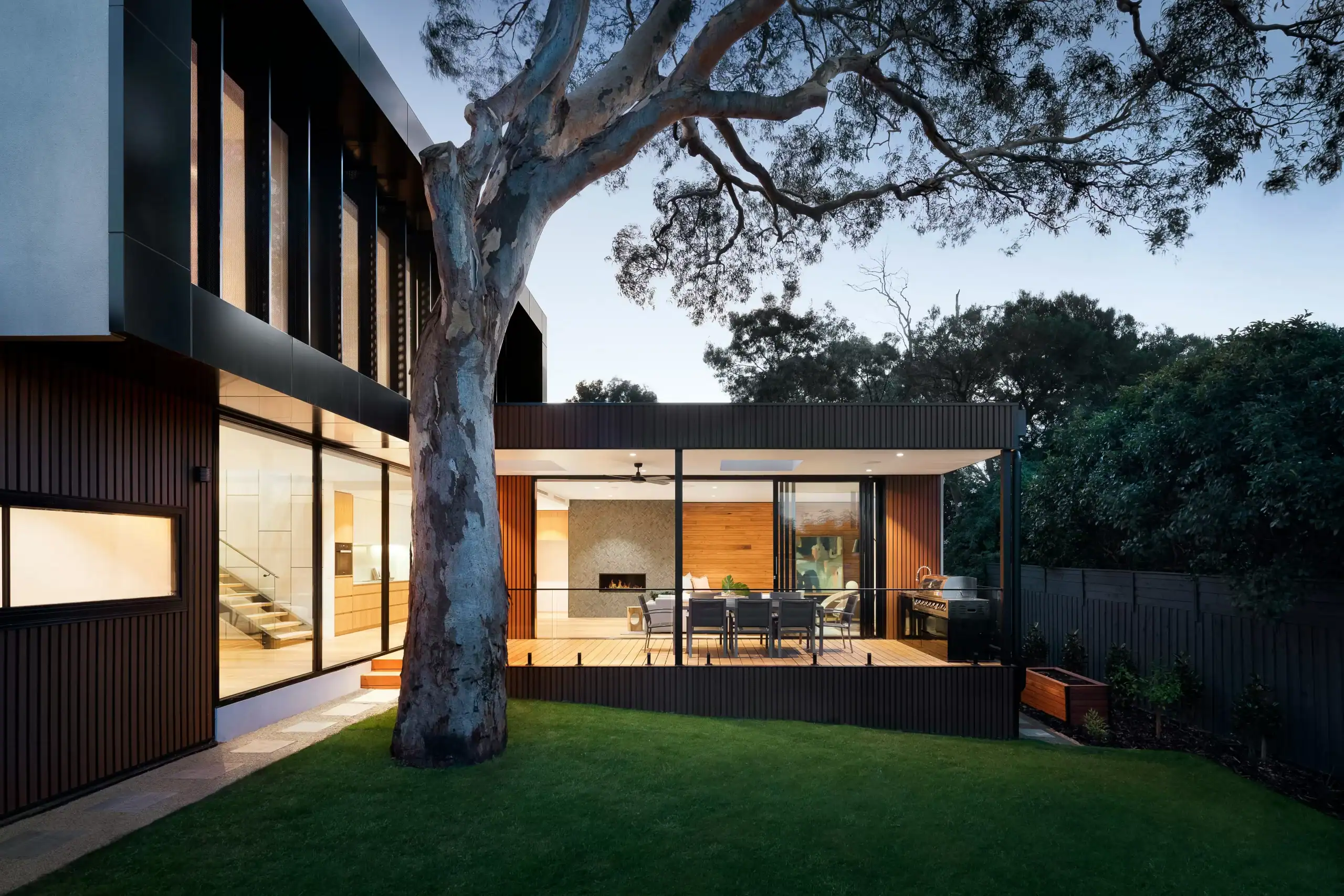
Here’s where hardscaping really shines. A Concord homeowner extended their back door with a large paver patio, added a built-in bench along one side, and created a dedicated space for a grill and prep counter. No full outdoor kitchen (those start around $20,000), just smart layout and durable materials. They can now host 15 people comfortably outside. Cost: $18,000. Comparable outdoor kitchens: $40,000+.
Transformation Five: The Side Yard Rescue
Most people ignore their side yards, but one Pleasant Hill family turned theirs into a functional pathway with pavers, landscape lighting, and a small seating area. It connected their front and back yards, gave them extra usable space, and solved a muddy drainage problem. Small project, big impact. Cost: $6,500.
What do all these have in common? They focused on hardscaping elements that serve a purpose. They used materials appropriate for Bay Area weather. And they were designed with a clear vision instead of just “making it look better.” That’s the difference between a transformation and just another expensive project.
How to Plan Your Backyard Project Without the Usual Problems
Planning is where most backyard projects either set themselves up for success or lock in future problems. You don’t need a degree in landscape architecture, but you do need to think through a few critical things before anyone starts digging.
Start with how you want to use the space. Not how you think you should use it, or how it looks in pictures, but what would genuinely make your life better. Do you need a spot for your kids to play? A place to grill without standing on a wobbly deck? Somewhere to drink coffee in the morning without sitting on cold concrete?
Your answers to those questions determine everything else. A family that wants a play area needs different hardscaping than a couple who wants a quiet retreat. Neither is wrong, but trying to do both with the same budget usually means doing neither well.

What to Ask Before You Hire Anyone for Hardscaping Work
Here’s what separates contractors who deliver from contractors who disappear halfway through your project. Ask these questions before you sign anything, and pay attention to how they answer.
“Are you licensed as a general contractor in California, and can I verify that?” This isn’t negotiable. California requires contractors to be licensed for projects over $500. You can check their license status on the Contractors State License Board website. If they hesitate or say licensing doesn’t matter for small jobs, walk away. You’re not just protecting yourself legally; you’re making sure they know building codes in Contra Costa County, CA.
“How do you handle permits and inspections?” The right answer involves them pulling permits when needed and scheduling inspections. The wrong answer is anything that includes “don’t worry about permits” or “we can skip that part.” When you eventually sell your home, unpermitted work becomes your problem, not theirs.
“What’s your process for site protection and cleanup?” Your yard is about to become a construction zone. How are they protecting your house, your existing landscaping, and your neighbor’s fence? Daily cleanup or everything stays messy until the end? These details tell you how much they respect your property.
“Can you provide references from projects in my area?” Bay Area projects face specific challenges: our soil conditions, local regulations, climate considerations. A contractor who’s successfully completed work in Alameda County, CA knows things that someone from out of the area doesn’t. Ask to see photos of completed projects, and if possible, talk to past clients.
“How do you handle changes or unexpected issues?” Because they will happen. Maybe they hit rock while digging for your patio foundation. Maybe drainage is worse than expected. The contractor’s answer here shows you if they’ll nickel-and-dime you with change orders or work with you to solve problems.
“What’s included in your quote, and what isn’t?” This is where hidden costs live. Does the quote include hauling away old concrete? Bringing in new soil for grading? The actual pavers, or just labor? Get everything in writing. Vague quotes lead to budget overruns.
One more thing: if a contractor pushes hard for a large upfront payment, that’s a red flag. Legitimate construction companies don’t need your money to buy materials; they have credit with suppliers. A reasonable deposit to secure your spot on the schedule? Fine. Half the project cost before they’ve done anything? No.
The Hidden Costs Nobody Tells You About Until It's Too Late
Let’s talk about the money that disappears from your budget before you even see results. These aren’t scams or tricks; they’re just realities of construction that most homeowners don’t anticipate.
Permits and fees can add $2,000 to $5,000 depending on your city and project scope. Some homeowners try to skip this step, but that’s a gamble that rarely pays off. If a neighbor reports unpermitted work, or if it comes up during a home sale, you’re looking at fines plus the cost of bringing everything up to code retroactively. Just factor permits into your budget from the start.
Site access issues eat budgets fast. Can equipment get to your backyard, or does everything need to be hand-carried through your house? Is there a tree that needs removal before the patio can go in? Does your slope require extra grading work? We identify these during the initial consultation, but you need to ask specifically.
Drainage solutions often get discovered mid-project. You start digging for that patio and realize water pools in that exact spot every winter. Now you need a French drain or additional grading before the patio can go in. This is why we always include a contingency line item in our quotes. Stuff happens.
Utility line location and protection is required by law. Before any digging, contractors must call 811 to mark underground utilities. This is free, but if they hit a line because they didn’t call, you’re potentially liable. We handle this step as standard practice. It’s basic, but people skip it more often than you’d think.
Material delivery and storage might seem minor until you realize pavers are getting delivered to your driveway three days before work starts, and now you can’t park there. Or materials sit uncovered and get damaged by rain. Ask where materials will be stored and for how long.
Here’s the thing about these hidden costs: they’re only hidden if you don’t ask about them upfront. We walk you through all of this during the estimate phase. We explain what could go wrong, what typically adds costs, and how we handle surprises. If you’re getting vague answers or “we’ll figure it out as we go” responses from other contractors, that’s your cue to keep looking.
The best protection against budget blow-ups? Work with home remodelers who’ve done enough projects in Contra Costa County, CA to know what they’ll encounter. Experience isn’t everything, but it sure beats learning on your dime.
Ready to Stop Ignoring Your Backyard's Potential
Your backyard doesn’t have to be the space you avoid or the project you keep putting off. The transformations that work, the ones that get used and add real value to your home, start with understanding what’s possible within your budget.
Smart hardscaping beats expensive landscaping in the Bay Area. Concrete pavers outlast grass. Retaining walls solve problems while looking good. Outdoor living spaces extend your home without the cost of an actual addition. These aren’t luxuries; they’re practical upgrades that make sense in our climate.
The difference between a project that makes your neighbors jealous and one that makes you regret starting? It’s working with someone who knows what they’re doing. Someone who understands Bay Area soil, local building codes, and how to design outdoor spaces that work for how you live.
We’ve been transforming backyards across Contra Costa County, CA and Alameda County, CA for years. If you’re ready to finally do something with that space out back, let’s talk about what’s actually possible with your budget.