
Summary:
You need more than patches and hope. You need a roof engineered to handle what Bay Area weather throws at it, installed by professionals who know the difference between adequate and bulletproof. This isn’t about picking the cheapest option or watching a YouTube tutorial. It’s about protecting what matters most when the next storm rolls in—with reliable roofing services built for durability and long-term performance.
What Makes a Professional Roofer Different from DIY
The gap between professional roofing and DIY isn’t just skill level—it’s safety, knowledge, equipment, and accountability. Professional roofers carry specialized training that takes years to develop. We understand how California’s climate affects different materials, how to spot hidden damage before it becomes catastrophic, and how to install systems that actually hold up under pressure.
Licensed contractors also carry insurance that protects you if something goes wrong. DIY roofing puts all the liability on your shoulders. One slip, one improper installation, one missed detail—and you’re looking at injuries, property damage, or expensive repairs that cost more than hiring a pro in the first place.
Then there’s the warranty issue. Most roofing manufacturers only honor their 20, 30, or 50-year warranties when certified professionals handle the installation. Try to save money with DIY, and you void that protection entirely. When your roof fails five years later, you’re on your own.
Why Bay Area Weather Demands Professional Installation
Bay Area weather isn’t forgiving. You’re dealing with atmospheric rivers that dump 5 to 10 inches of rain in a single storm event, wind gusts that regularly hit 50 mph or higher, and summer temperatures that bake roofs at 100-plus degrees for weeks on end. Coastal areas add salt air and fog to the mix, accelerating corrosion on metal components and degrading materials faster than inland climates.
As professional roofers in Contra Costa County, CA and Alameda County, CA, we understand these challenges intimately. We know which materials resist UV damage during brutal summers. We understand how to install storm-resistant roofing materials that can handle wind-driven rain without leaking. We’ve seen what happens when corners get cut—and we know how to prevent it.
Consider what happens during atmospheric river events. These powerful storm systems can carry seven to fifteen times the water flow of the Mississippi River, concentrated into narrow bands that slam the Bay Area with torrential rain and damaging winds. When one of these systems hits, improperly installed roofs fail. Weak spots turn into leaks. Poor flashing lets water penetrate. Inadequate ventilation creates moisture problems that rot your structure from the inside.
A professional roof inspection before storm season can identify vulnerabilities you’d never spot yourself. Trained eyes catch loose shingles, compromised flashing, clogged drainage systems, and deteriorating sealants. These small issues are cheap to fix now—but they turn into emergency roof repair services costing thousands when a major storm exposes them.
The Bay Area saw this firsthand during recent winters when atmospheric rivers caused over $1 billion in statewide damage. Roofing contractors reported call volumes two to three times higher than normal, with homeowners discovering leaks during torrential downpours rather than catching problems early. Many couldn’t find available contractors for weeks because demand overwhelmed supply.
Professional roofers also understand how California’s temperature extremes affect roof performance. Summer heat degrades inferior materials rapidly, causing shingles to crack, curl, and fail prematurely. Winter rains test every seal and joint. The constant expansion and contraction from temperature swings—40 degrees on winter mornings, 100-plus on summer afternoons—puts stress on roofing systems that only properly installed, quality materials can withstand long-term.
The Hidden Costs of DIY Roofing Mistakes
DIY roofing looks cheaper on paper. You skip labor costs, buy materials yourself, and tackle the project on your schedule. But that math changes fast when you factor in the real costs.
Start with safety. According to the CDC, more than 100 people die from ladder-related falls annually in the United States, with thousands more injured. Roofing consistently ranks among the most dangerous occupations, with one of the highest rates of workplace injuries and fatalities. Professional roofers invest heavily in safety equipment, training, and protocols that DIYers rarely match. One fall can mean hospital bills, lost work time, or worse.
Then there’s the time factor. What takes a professional crew one or two days might take you a week or more—assuming good weather holds and you don’t encounter complications. Bay Area weather is unpredictable. You need the flexibility to work fast when conditions allow, and professionals have the crew size and experience to make that happen.
Material costs hit harder than expected too. You’ll pay retail prices at big box stores while contractors access wholesale pricing through supply networks. You’ll need specialized tools you don’t own—roofing nailers, safety harnesses, scaffolding or ladders, tear-off equipment. Budget $5,000 to $15,000 just for materials and equipment for a typical residential roof, with no guarantee you’re buying the right products for your specific needs.
The biggest hidden cost is mistakes. Improper installation leads to leaks, which lead to water damage, which leads to mold, rot, and structural problems. Fixing shoddy DIY work costs far more than doing it right the first time. You might save a few thousand on labor, only to spend double that correcting errors—or hiring a professional anyway to redo what you attempted.
And remember the warranty issue. Void your manufacturer’s warranty with DIY installation, and you lose decades of protection. When materials fail prematurely, you’re paying out of pocket for replacements. When a professional installs your roof, you get both the manufacturer’s material warranty and the contractor’s workmanship guarantee. That dual protection has real value when problems emerge years later.
Most telling: statistics show only about 7% of homeowners attempt DIY roofing work, with 93% hiring professionals. That’s not because people enjoy spending money unnecessarily. It’s because they understand the risks, complexity, and long-term costs of getting it wrong.
Storm Resistant Roofing Materials That Actually Perform
Not all roofing materials handle extreme weather equally. California’s climate demands specific performance characteristics—wind resistance, UV protection, waterproofing, fire resistance, and durability through massive temperature swings. Professional roofers know which materials deliver and which fail under pressure.
The choice matters more in the Bay Area than most regions. You’re not just protecting against occasional storms. You’re defending against atmospheric rivers, Santa Ana winds, intense summer heat, coastal salt air, and seismic activity. Your roof needs to handle all of it, year after year, without degrading or failing.
Metal Roofing for Maximum Wind and Fire Resistance
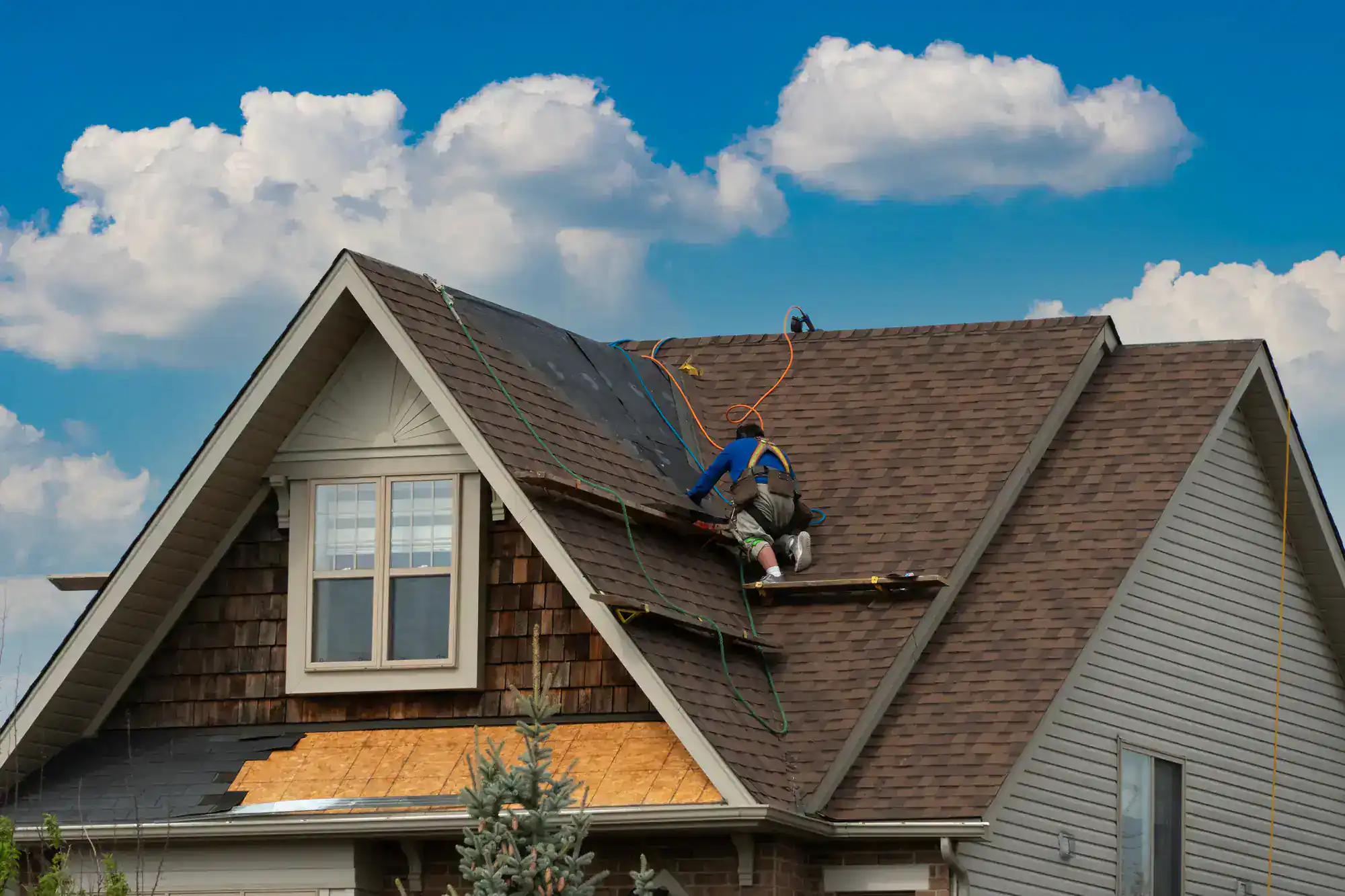
Metal roofing stands out as one of the toughest options for extreme weather protection. These systems can withstand wind speeds up to 140-160 mph—far exceeding what Bay Area storms typically produce, but providing a significant safety margin when unexpected weather hits. That wind resistance comes from proper installation and interlocking panel designs that prevent uplift even during the most severe conditions.
Fire resistance is another critical advantage in California. Metal roofs are non-combustible, offering Class A fire ratings that provide crucial protection in wildfire-prone areas. When embers blow through your neighborhood during fire season, a metal roof won’t ignite. That’s peace of mind you can’t put a price on.
Metal roofing also reflects sunlight rather than absorbing it, reducing cooling costs during brutal Bay Area summers. The energy efficiency adds up over decades. And with proper maintenance, metal roofs can last 40 to 70 years—two to three times longer than traditional asphalt shingles. You’re looking at potentially never needing another roof replacement if you install metal in your 40s or 50s.
The material handles California’s temperature extremes well too. Metal expands and contracts with temperature changes, but modern systems account for this with proper fastening techniques and expansion joints. Unlike shingles that crack, curl, and degrade under UV exposure, metal maintains its integrity through countless heating and cooling cycles.
Impact resistance is another strength. Metal roofs typically achieve Class 4 impact ratings, meaning they can withstand hail up to 2 inches in diameter without damage. While Bay Area hail is less common than in other regions, severe storms can still produce damaging impacts from debris, branches, and wind-blown objects. Metal roofing shrugs off impacts that would crack or puncture other materials.
The main consideration with metal roofing is upfront cost. It’s more expensive than asphalt shingles initially, though the longer lifespan and lower maintenance often make it more cost-effective over time. Professional installation is also critical—improperly installed metal roofing can be noisy during rain, prone to leaks at fastener points, and subject to corrosion if coastal salt air isn’t properly accounted for in material selection and protective coatings.
Impact-Resistant Shingles and Composite Materials
If metal roofing isn’t your preference, impact-resistant asphalt shingles offer strong performance at a more accessible price point. Not all shingles are created equal though. Standard three-tab shingles won’t cut it in extreme weather. You need architectural or laminated shingles with Class 4 impact ratings and wind resistance ratings of 110-130 mph.
These upgraded shingles use reinforced construction with multiple layers, heavier weight, and advanced adhesive systems that keep them secured during high winds. The impact resistance comes from modified asphalt formulations that flex under impact rather than cracking. When hail, branches, or debris hit your roof, these shingles absorb the blow without compromising the waterproof barrier underneath.
Quality matters significantly with shingles. We work with premium brands like GAF and Owens Corning that engineer their products specifically for harsh climates. These manufacturers test their shingles against extreme conditions and back them with substantial warranties—but only when certified contractors handle the installation. That certification isn’t just paperwork. It means the roofer has been trained on proper installation techniques specific to that product line.
UV resistance is critical for Bay Area shingles. California’s intense summer sun degrades inferior products rapidly, causing granule loss, fading, cracking, and premature failure. High-quality shingles include UV-resistant granules and asphalt formulations designed to withstand decades of sun exposure without significant deterioration. The difference between cheap shingles and quality products becomes obvious after 10-15 years—one looks weathered and worn while the other maintains its appearance and performance.
Synthetic roofing materials represent another option worth considering. These composite products mimic the appearance of slate, wood, or tile while offering superior durability and lighter weight. Many achieve Class 4 impact ratings and high wind resistance while requiring less structural support than natural materials. They’re engineered to handle UV exposure, moisture, and temperature extremes without the maintenance demands of wood or the weight concerns of slate.
The key with any roofing material is proper installation. Even the best products fail if installed incorrectly. Professional roofers understand the manufacturer’s specifications for fastener placement, starter strips, underlayment, flashing, ventilation, and edge details. We know how to adapt installation techniques to your specific roof design, pitch, and exposure. That expertise makes the difference between a roof that performs as designed and one that fails prematurely despite using quality materials.
Climate-specific considerations matter too. Bay Area roofs need proper ventilation to handle humidity and prevent condensation damage. They need flashing systems designed for wind-driven rain. They need drainage that can handle the volume from atmospheric river events. We factor all this into material selection and installation approach, creating integrated systems rather than just slapping shingles on plywood.
Protecting Your Home When the Next Storm Hits
Extreme weather isn’t getting milder. Atmospheric rivers are becoming more frequent and intense. Heat waves push temperatures higher. Wind events test every weak point in your roof’s defense. The question isn’t whether your roof will face severe conditions—it’s whether it’ll hold up when those conditions arrive.
Professional roofers give you the best defense. We bring decades of experience, proper training, quality materials, and the accountability that comes with licensing, insurance, and warranties. We understand Bay Area weather patterns and install roofing systems engineered to handle what’s coming. When emergencies happen, we respond—because your roof can’t wait for convenient business hours when water is pouring into your home.
The investment in professional roofing pays off through decades of reliable protection, lower maintenance costs, preserved home value, and peace of mind when storms roll in. Your roof is your home’s first line of defense. Make sure it’s built to win that fight. If you’re in Contra Costa County, CA or Alameda County, CA and need roofing that stands up to extreme weather, we bring over 40 years of combined experience, dual licensing, BBB accreditation, and the Never Get Burnt Guarantee to every project.