Summary:
You’ve been collecting inspiration photos for months. That kitchen remodel looks doable. Then you get the first estimate and wonder if there’s been a mistake.
There hasn’t been. Welcome to Bay Area home renovation costs, where the numbers make sense once you understand what you’re actually paying for. This isn’t about contractors overcharging—it’s about the real cost of doing quality work in one of the country’s most expensive construction markets. You’re dealing with seismic codes that don’t exist in other states, labor rates that reflect our cost of living, and permit fees that fund the oversight keeping your project safe.
Let’s talk about what home renovation actually costs in Contra Costa County and why those numbers look the way they do.
What Actually Drives Home Renovation Cost in the Bay Area
Your renovation budget isn’t just one number. It’s a combination of factors that stack differently here than anywhere else in the country.
Labor is your biggest expense, typically eating 40-65% of your total budget. Skilled tradespeople in Contra Costa County charge $75-$150 per hour because that’s what it takes to live here. That electrician rewiring your kitchen isn’t overpriced—they’re covering a mortgage or rent in one of the nation’s most expensive housing markets.
Materials cost more here too. Not because you’re buying premium products necessarily, but because logistics, demand, and local supplier networks all factor into pricing. Then you’ve got permits ranging from $1,000 to $5,000+ depending on your project scope. Contra Costa County’s permit process is actually faster than some Bay Area counties, but it still adds time and cost that homeowners in other states don’t face.
Renovation Costs by Room: What to Expect in Contra Costa County
Let’s get specific about what different spaces actually cost to renovate in our area.
Kitchens are your most expensive room. A modest update with new countertops, fresh paint, and updated appliances starts around $30,000. That’s not luxury—that’s basic. Move into a mid-range remodel where you’re replacing cabinets, upgrading appliances to better quality, and maybe reconfiguring your layout slightly, and you’re looking at $50,000-$75,000. Full gut renovations with custom cabinets, high-end appliances, and significant layout changes? $75,000-$150,000 or more.
Why so much? Because kitchens involve every trade. Plumbers rerouting water lines, electricians adding circuits for new appliances, cabinet installers doing precision work, countertop fabricators templating and installing stone, tile setters creating your backsplash, painters finishing everything. Each trade charges those Bay Area labor rates, and the timeline stretches to 4-6 weeks because quality work takes time.
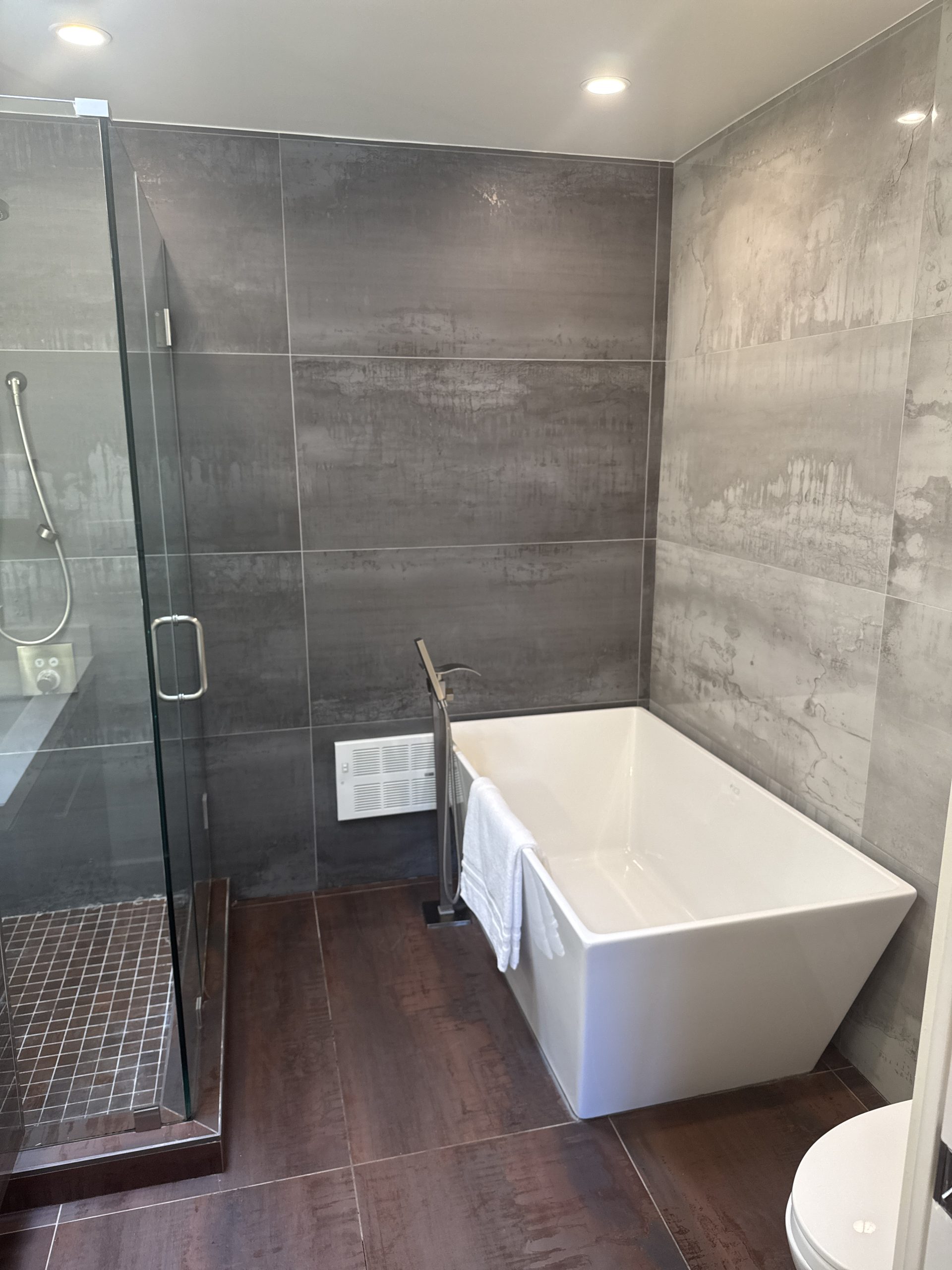
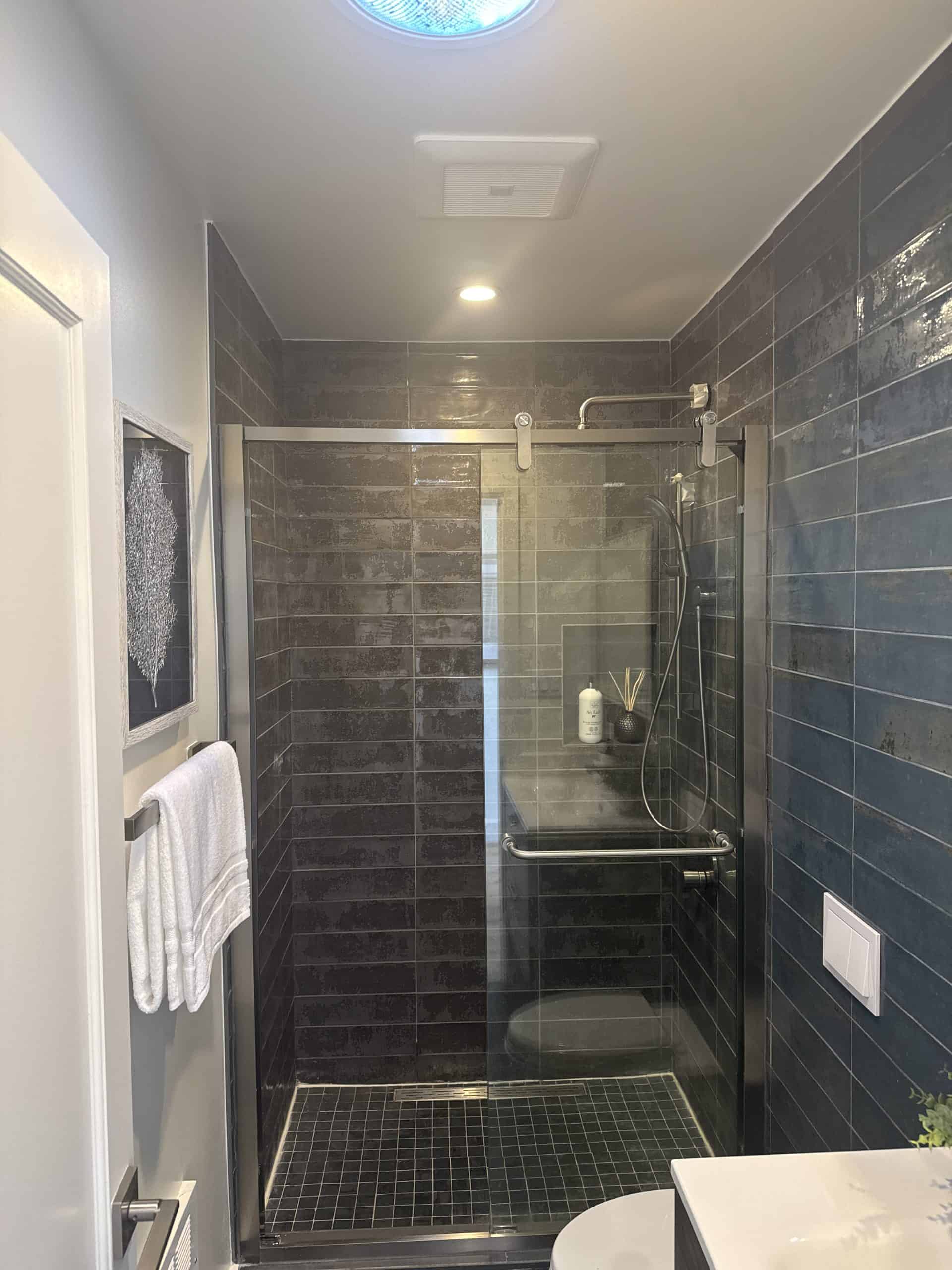
Bathrooms run $25,000-$70,000 depending on size and scope. A basic refresh of a small bathroom with new fixtures, fresh tile, and updated vanity sits around $25,000-$40,000. Master bathrooms with spa features like rain showers, soaking tubs, and radiant floor heating climb to $70,000 or beyond. The cost reflects the precision required—waterproofing must be perfect, tile work needs to be exact, and plumbing relocations in older Bay Area homes often reveal issues that need addressing.
Living spaces and bedrooms cost less because they don’t require the extensive plumbing and electrical work of kitchens and bathrooms. You’re looking at $10,000-$40,000 for updates like new flooring, paint, built-ins, and lighting. The wild card is if you’re removing walls or changing layouts, which requires structural engineering and permits that add complexity and cost.
Why Bay Area Costs Run 40-80% Higher Than National Averages
When you search “kitchen remodel cost” online, you’ll find national averages around $20,000-$30,000. Then you get local estimates double or triple that and feel like you’re being taken advantage of. You’re not.
Bay Area construction operates in a different economic reality. Our labor pool is limited and expensive because workers face the same housing costs you do. A skilled carpenter charging $100/hour isn’t getting rich—they’re covering their overhead in a market where rent for a two-bedroom apartment can hit $3,000+ monthly.
Building codes here are stricter than most of the country. We’re in Seismic Zone D, the highest risk category, which means structural work requires engineering that other regions don’t need. Your contractor isn’t padding the bill when they bring in a structural engineer—they’re following the code that keeps your home safe during earthquakes.
Permit costs reflect the oversight required to ensure work meets those stringent standards. Contra Costa County charges $1,000-$5,000+ for major renovation permits, and the review process takes 2-3 weeks typically. That’s actually faster than San Francisco or Palo Alto, but it’s still time and money that impacts your project timeline and budget.
Older homes add another layer. Many properties in Contra Costa County were built before 1980, which often means electrical systems need upgrading, plumbing requires replacement, and insulation doesn’t meet current standards. You might budget for a cosmetic kitchen update and discover your electrical panel needs a $5,000-$10,000 upgrade before you can safely add new appliances. That’s not a surprise cost we’re inventing—it’s the reality of bringing older homes up to current code.
Home Improvement Financing: Making Your Renovation Possible
Looking at six-figure renovation costs can feel overwhelming. Most homeowners don’t have $75,000 sitting in savings for a kitchen remodel.
Home improvement financing exists specifically for this situation. Several options make sense depending on your circumstances and project scope. Home equity loans and HELOCs let you borrow against your home’s value, typically offering lower interest rates than personal loans because your property secures the debt. With Bay Area home values in Contra Costa County averaging $1.3M-$1.5M, most homeowners have significant equity available.
Personal loans work for smaller projects or homeowners who prefer not to use their home as collateral. You’ll pay higher interest rates, but approval is often faster and the process simpler. FHA Title I loans specifically target home improvements, offering fixed rates and terms up to 20 years for major renovations.
The key is matching your financing to your project timeline and scope. Quick bathroom updates might work fine with a personal loan. Whole-home renovations spanning months benefit from construction loans or HELOCs where you draw funds as needed rather than taking a lump sum upfront.

What Financing Actually Costs and How to Qualify
Understanding financing costs helps you budget realistically for the total project expense, not just the construction bill.
Home equity loans and HELOCs currently run 7-10% interest depending on your credit and the lender. Borrow $50,000 for a kitchen remodel at 8% over 10 years, and you’re paying roughly $600 monthly with about $22,000 in interest over the life of the loan. That’s not insignificant, but it’s often more manageable than trying to save $50,000 while living with a dysfunctional kitchen for years.
Personal loans for home improvement typically charge 10-15% interest with shorter terms. The higher rates reflect the unsecured nature of the debt. A $25,000 personal loan at 12% over five years costs about $555 monthly with roughly $8,300 in interest. You’re paying more per dollar borrowed, but the shorter term means you’re debt-free faster.
Qualifying usually requires decent credit (620+ minimum, 680+ for better rates), stable income, and reasonable debt-to-income ratios. Lenders want to see that you can handle the monthly payment alongside your existing obligations. If your renovation adds value to your home—which most kitchen and bathroom remodels do—the improved home value can offset the debt you’re taking on.
We work with specific lenders offering specialized home improvement financing. These programs sometimes include benefits like deferred payments during construction or special rates for energy-efficient upgrades that qualify for tax credits.
Renovation Budget Planning: Energy Efficiency Financing Worth Knowing About
California’s push toward energy efficiency creates financing opportunities that reduce your effective renovation cost.
The 2026 Title 24 Building Energy Efficiency Standards affect major remodels, requiring upgraded insulation, high-efficiency HVAC systems, and LED lighting throughout. These mandates add $8,000-$25,000 to your upfront costs, which feels painful until you factor in the savings. Energy-efficient upgrades typically reduce utility bills 15-25% annually, and federal tax credits cover up to 30% of costs for qualifying improvements.
PACE financing (Property Assessed Clean Energy) lets you finance energy improvements through your property tax bill. The debt stays with the property rather than following you personally, and repayment terms stretch up to 20-30 years for some improvements. Interest rates are fixed, and there’s no credit score requirement—qualification is based on your property equity and tax payment history.
State and utility company rebates further reduce effective costs. PG&E and other utilities serving Contra Costa County offer rebates for high-efficiency appliances, insulation upgrades, and HVAC replacements. These programs change regularly, but they can knock $2,000-$5,000+ off your project cost if you plan ahead and apply properly.
The math often works in your favor. Spend an extra $15,000 on energy-efficient windows and insulation, get $4,500 back in federal tax credits, save $200 monthly on utilities, and you’re breaking even in about five years while enjoying a more comfortable home immediately.
Smart Renovation Budget Planning Without Getting Blindsided
Smart budgeting starts with realistic expectations about what things cost in your specific market. National averages don’t help you plan a Contra Costa County renovation.
Add a 10-20% contingency to whatever your contractor quotes, especially if you’re renovating an older home. That contingency isn’t pessimism—it’s protection against the hidden issues that older Bay Area homes often reveal once walls come down. You might discover outdated wiring, water damage from old leaks, or structural issues that need addressing before cosmetic work can proceed.
Get detailed estimates from multiple contractors, but understand that the lowest bid isn’t automatically the best value. A contractor quoting 30% below others might be inexperienced, cutting corners, or not including everything your project actually needs. The goal is finding someone who provides transparent pricing, communicates clearly about what’s included, and has a track record of completing Bay Area projects successfully.
Factor in the full timeline including design, permits, and construction. A kitchen remodel might take 4-6 weeks of actual construction, but add 2-3 weeks for permits and however long design and material selection take. If you’re financing the project, those extra weeks or months affect your interest costs and how long you’re living with construction disruption. Working with a contractor who handles everything—design, permits, construction, and project management—eliminates the coordination headaches that plague many renovations.
We serve Contra Costa County with the transparency and protection that makes sense in this market. Your home is likely your largest asset, and the renovation budget you’re considering represents a significant investment in that asset’s value, functionality, and your daily quality of life. Understanding what drives costs in the Bay Area helps you plan realistically and avoid the sticker shock that derails too many projects before they start.