Retaining Walls Contra Costa & Alameda County

Stop Erosion Before It Costs You Thousands

Your sloped yard doesn’t have to wash away every winter or sit there unusable. A properly engineered retaining wall stops soil loss, manages water flow, and turns steep terrain into functional outdoor space you’ll actually use.
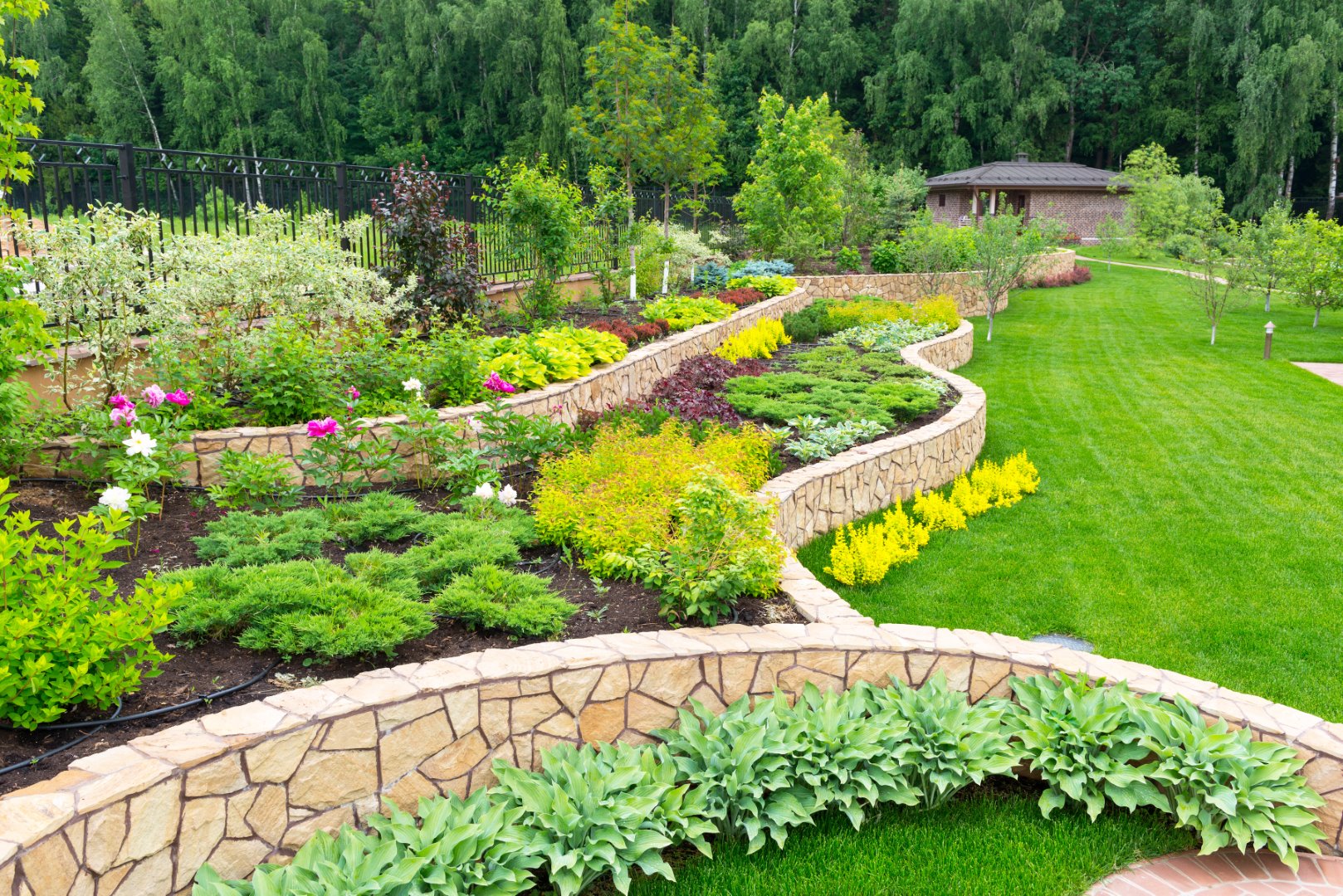
A landscaped garden with tiered stone retaining walls, vibrant flowering plants, trimmed shrubs, and a lush green lawn—expertly crafted by a general contractor in Contra Costa & Alameda County, CA—set against trees and a small building in the distance.

Get a Free Estimate Today!

Don’t compromise on quality. Hire only the best.

Approved FHA Title I Lender

Financing Through Service Finance Company

Service Finance Company, LLC is a nationally licensed sales finance company providing outstanding financial solutions to homeowners looking to invest in their homes.

Flexible Financing Options

Choose from a variety of loan term options to find the one that fits your financial plan best — so your home improvements work with your budget, not against it.

Quick & Easy Approvals

Get a fast credit decision with a simple, streamlined application process. Less waiting means you can start your project sooner.

No Equity Required

Unlike traditional financing methods, you don't need home equity to qualify. Open the door to improvements regardless of how long you've owned your home.

Competitive Rates

Service Finance offers competitive rates to ensure your home improvements are both beneficial and affordable — maximizing the value of every dollar.

Fund Your Home Improvement Project Today

From energy-efficient upgrades to a complete home makeover, Service Finance LLC provides financing solutions so you can invest in your home without the financial worry.

Apply for Financing No obligation · Quick credit decision

Dual Licensed Contractor

We hold both general contractor and roofing licenses, so your retaining wall project gets the structural expertise it actually needs.

40 Years Combined Experience

Our team knows Bay Area soil conditions inside and out. Clay soils, seasonal shifts, hillside challenges—we’ve engineered solutions for all of it.

Complete Permit Handling

We manage permits, engineering, soil analysis, and inspections. You don’t chase paperwork or wonder if it’s up to code—we handle it.

Never Get Burnt Guarantee

No upfront payment required. You invest in your property with confidence, knowing we stand behind every wall we build from start to finish.
A rooftop bocce ball court with green artificial turf, wooden borders, and balls lined up on one side. Completed by a general contractor Contra Costa & Alameda County, it features large potted plants, seating areas, and an ocean view under a clear blue CA sky.

Retaining Wall Installation Bay Area

What a Retaining Wall Actually Does for You

A retaining wall holds back soil on slopes, but that’s just the mechanical answer. What it really does is protect your foundation from water damage, stop erosion from stealing your yard, and create level areas where you can actually build a patio, plant a garden, or let your kids play without worrying about runoff.

In Contra Costa and Alameda Counties, where clay soils expand in winter and contract in summer, and where seasonal rains hit hard, retaining walls aren’t just landscaping features. They’re structural necessities that prevent thousands in future damage while giving you back outdoor space you thought was lost to the slope.

We build concrete block walls, stone walls, and segmental systems engineered specifically for local terrain and drainage needs. Every project starts with soil analysis, proper base preparation, and drainage installation—because walls fail when water has nowhere to go.

Erosion Control and Landscape Solutions

What Changes After Your Wall Goes In

You're not just getting a structure. You're getting a yard that works, a foundation that stays protected, and outdoor space that actually adds value to how you live.

Your yard stops washing away during winter storms, keeping soil, mulch, and plantings exactly where you put them.
Water flows where it’s supposed to go instead of pooling near your foundation or flooding your driveway.
You gain usable, level outdoor space for patios, gardens, or play areas that weren’t possible on a steep slope.
Your property value increases because functional outdoor space and erosion control are things buyers actually pay for.
You stop worrying every time it rains whether your hillside is going to slide or your foundation is taking on water.
The wall lasts 50 to 100 years with proper installation, so this is a one-time fix, not a recurring headache.
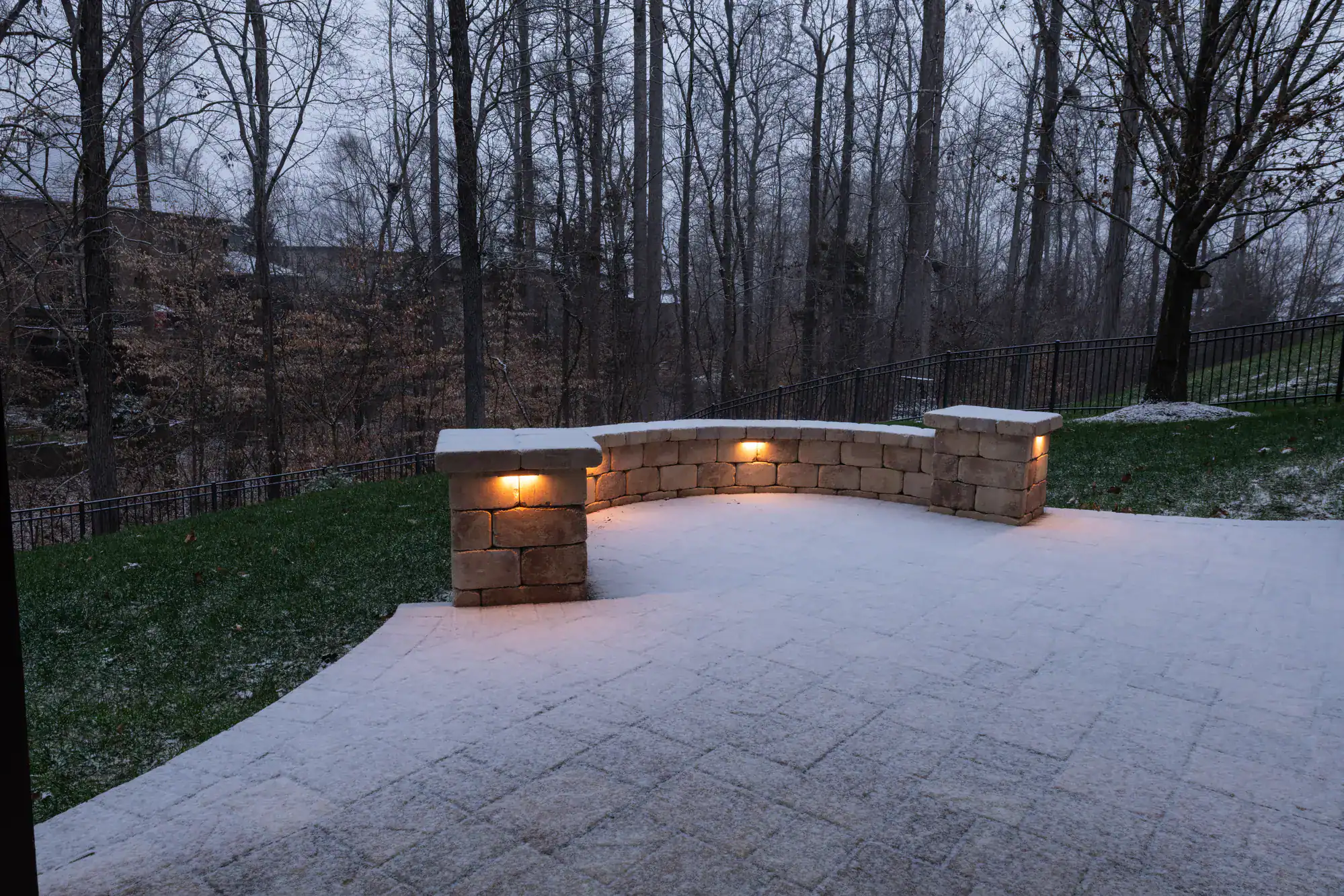
A lightly snow-dusted patio with a curved stone seating wall, expertly crafted by a general contractor Contra Costa & Alameda County. Three built-in lights softly illuminate the area, with bare trees and a grassy slope visible in the background.

Concrete and Stone Wall Options

Materials That Match Your Property and Budget

Concrete block walls are the workhorses. They install faster than poured concrete, include built-in drainage systems, and last 50 to 100 years in Bay Area conditions. They balance cost with performance, and modern block systems give you design flexibility without sacrificing structural strength.

Stone walls bring natural beauty and work well for shorter installations or when aesthetics matter as much as function. Natural stone weathers beautifully and complements existing landscaping, though it costs more and requires different engineering considerations for long-term stability.

Segmental retaining wall systems use interlocking units that lock together without mortar. They’re engineered for structural use, adapt to curves and terrain changes, and handle the soil pressure that comes with Bay Area’s expansive clay soils. We recommend materials based on your specific site conditions, local building requirements, and what actually performs long-term—not just what looks good in a catalog.

A neatly landscaped front yard with bright green artificial turf, bordered by white decorative stones and a wooden retaining wall, designed by a general contractor in Contra Costa & Alameda County, CA, in front of a modern house.

Drainage Systems and Engineering

Why Drainage Matters More Than the Wall Itself

Water pressure is the number one reason retaining walls fail. When water builds up behind a wall with nowhere to go, it creates force that eventually pushes the structure outward. You get bowing, cracking, and in worst cases, total collapse.

Every wall we install includes proper drainage from the start. That means perforated drain pipe behind the first course, gravel backfill that allows water to move, and weep holes or exit points that direct water away from both the wall and your foundation. We’re managing water flow, not just stacking blocks.

For walls over three to four feet, permits and engineering are required in Alameda and Contra Costa Counties. We handle that entire process—soil analysis, structural engineering, permit applications, and inspections. The timeline adds a few weeks, but it guarantees your wall meets safety standards and won’t become a liability when you go to sell your property.

Frequently Asked Questions

Do I need a permit for a retaining wall in Contra Costa or Alameda County?
Most retaining walls over three to four feet require permits in both Contra Costa and Alameda Counties. Shorter walls may also need permits if they’re near property lines, supporting additional loads like a structure or driveway, or located on steep slopes. The permit process includes structural engineering, soil analysis, and inspection requirements. We handle all of that for you—filing applications, coordinating with engineers, scheduling inspections, and making sure everything is approved before and after installation. Trying to build without required permits can result in expensive removal and reconstruction requirements, plus it creates major issues when you go to sell your property. The permit process typically adds two to three weeks to the timeline, but it guarantees your wall is safe, legal, and built to last.
It depends on the material and how well it’s installed. Concrete retaining walls that are correctly engineered and installed typically last 50 to 100 years in Bay Area conditions. Interlocking concrete blocks can exceed 100 years with minimal maintenance. Natural stone walls last 40 to 100 years when the foundation and drainage are well-designed. Timber walls last 15 to 40 years depending on wood quality and moisture exposure. The key factors are proper drainage installation, appropriate material selection for local soil conditions, and accurate base preparation. Bay Area properties face unique challenges—expansive clay soils that swell when wet and shrink when dry, plus seasonal weather extremes from dry summers to heavy winter rains. Walls built without proper drainage or engineering for these conditions fail much sooner, sometimes within a decade. When we build a wall, we’re engineering it for the long haul, not just the next few years.
Water pressure is the leading cause of retaining wall failure. When drainage systems aren’t installed properly or become clogged over time, water builds up behind the wall and creates hydrostatic pressure that pushes the structure outward. You’ll see bowing, tilting, or cracking as early warning signs. Poor base preparation is another major issue—if the foundation isn’t level, compacted, and deep enough, the wall settles unevenly and loses structural integrity. Inadequate engineering for wall height and soil conditions also leads to failure, especially on walls over four feet where reinforcement is required. In the Bay Area specifically, expansive clay soils add extra stress because they swell with moisture and contract when dry, creating movement that poorly built walls can’t handle. Finally, skipping permits and inspections often means corners were cut during installation, and those problems compound over time until the wall needs complete replacement instead of simple repairs.
Project expenses typically range across a broad spectrum depending on your choice of materials, wall height, property layout, and drainage requirements. Most local homeowners invest a specific amount for their retaining walls, but that varies significantly based on the project scope. A simple low garden wall built with basic blocks requires a smaller commitment than a tall engineered wall on a steep slope with complex drainage. Material choice impacts the total—concrete block systems balance value and performance, natural stone requires a larger investment but offers premium aesthetics, and poured concrete provides maximum strength at a higher labor commitment. Additional factors include excavation difficulty, soil type (heavy clay requires more prep work), permit and engineering fees for taller structures, and whether you need extensive drainage systems. When you are evaluating the commitment, consider that a properly built retaining wall lasts for many generations. Spread across that long lifespan, even a significant upfront investment becomes reasonable, especially when it is preventing foundation damage that could be incredibly expensive to repair.
Yes, when it’s designed and installed correctly. A retaining wall does more than hold back soil—it manages water flow, reduces runoff speed, and creates controlled drainage paths that protect your foundation and prevent erosion. The wall itself provides a barrier that stops soil from washing downhill during heavy rains, which is especially important in the Bay Area where winter storms can be intense. But the drainage system behind the wall is just as critical as the wall itself. We install perforated drain pipe at the base, use gravel backfill that allows water to move freely, and include weep holes or exit points that direct water away from both the wall and your home’s foundation. This prevents water from building up and creating pressure while also managing surface runoff. For properties with significant erosion issues, we often combine retaining walls with additional drainage solutions like French drains or grading adjustments to handle water from multiple sources. The goal is to control where water goes and how fast it moves, turning what was an erosion problem into a managed system that actually protects your property.
Concrete block walls are engineered for structural strength and install 30 to 50 percent faster than natural stone. Modern segmental block systems include built-in drainage features, interlock without mortar, and offer design flexibility with various textures and colors that can mimic natural stone. They’re the most cost-effective option for taller walls or projects where structural performance is the priority, and they last 50 to 100 years with minimal maintenance. Natural stone walls provide beautiful, organic aesthetics that complement existing landscaping and age gracefully over time. Stone works well for shorter walls or decorative applications where appearance matters as much as function. However, stone costs 25 to 40 percent more than block, requires more skilled labor to install properly, and has some structural limitations compared to engineered block systems. Stone also needs different engineering considerations for long-term stability, especially on taller installations. We recommend materials based on your specific site conditions, budget, and what you’re trying to achieve. If you need maximum structural performance and cost efficiency, block is usually the answer. If aesthetics are driving the decision and the wall is under four feet, stone can be worth the investment.

Site Evaluation and Engineering

We assess your slope, soil type, drainage patterns, and structural needs. For walls over four feet, we coordinate engineering and soil analysis before any digging starts.

Permits and Prep Work

We file all permits, mark utilities, and handle approvals. Once cleared, we excavate, install proper base material, and prepare drainage systems before the first block goes in.

Installation and Final Inspection

We build the wall with correct setback, drainage, and reinforcement. After installation, we coordinate final inspections, backfill properly, and leave your site clean and ready to use.
Scroll to Top