Garage Conversions in Monsanto, CA
Transform Your Garage Into Valuable Living Space
Professional garage conversions that add space, value, and income to your Monsanto home without the hassle.
Hear from Our Customers

Monsanto Garage Conversion Contractor
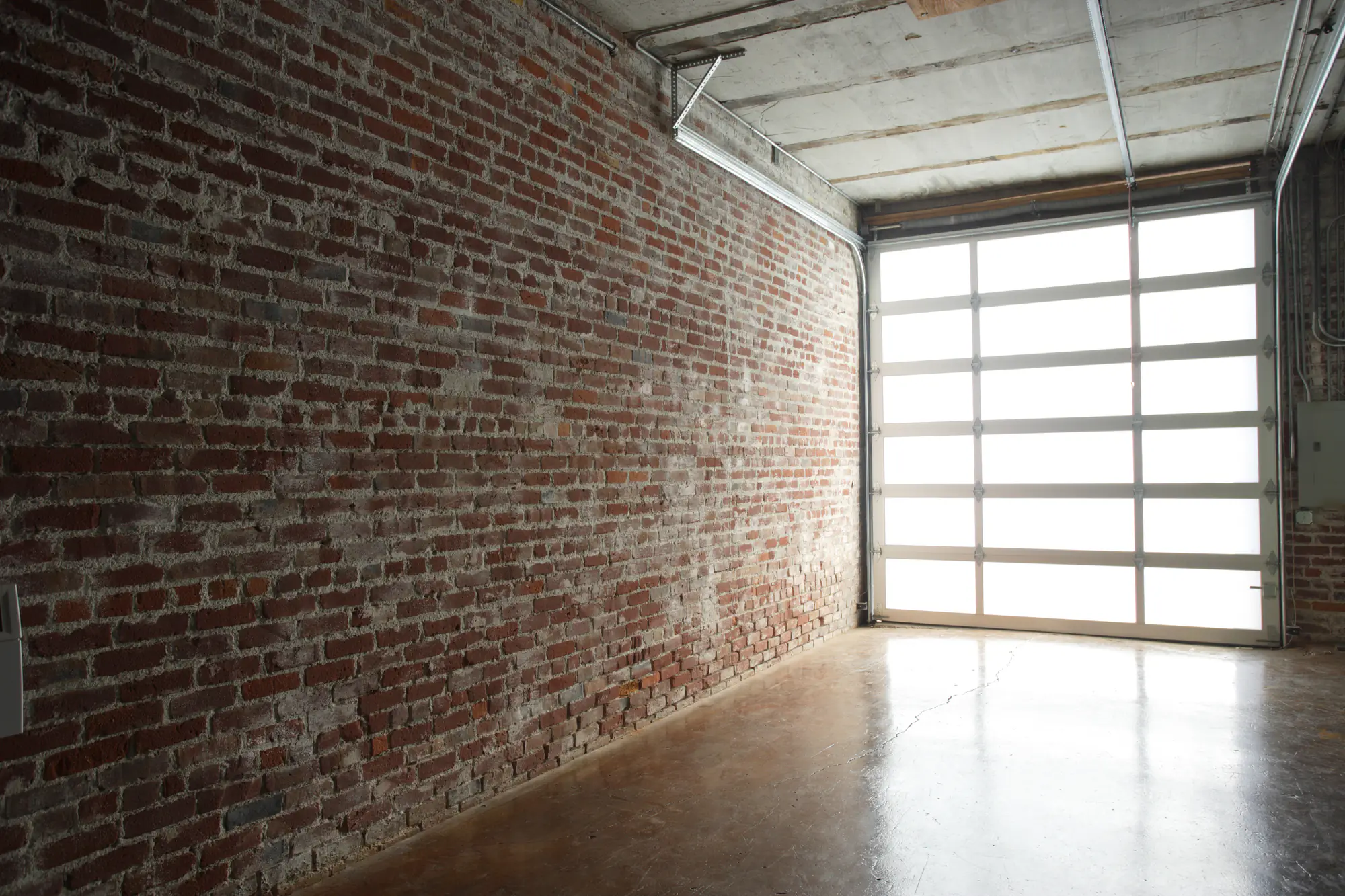
More Space, More Value, More Income
Your garage sits there, storing boxes and collecting dust. Meanwhile, Bay Area housing costs keep climbing and your family needs more space.A professional garage conversion changes everything. You get a fully functional living space that can house aging parents, create a home office, or generate rental income. Property values can increase by 20-30% with a well-executed conversion.The best part? The foundation, walls, and roof are already in place. No major construction disruption, no waiting for permits on new additions. Just smart transformation of space you already own.
Trusted Monsanto Construction Company
Bay Area Expertise You Can Count On
We bring over four decades of combined experience to the Bay Area construction market. We’re not just another contractor – we’re your neighbors, serving Contra Costa and Alameda counties with the kind of work we’d want done on our own homes.We offer competitive pricing without compromising on excellence. Our BBB accreditation and dual licensing as both general contractors and roofers means you’re working with verified professionals who understand every aspect of your project.What sets us apart in Monsanto is our “Never Get Burnt Guarantee” – no upfront payments, transparent pricing, and weekly progress updates so you always know where your project stands.

Garage Conversion Process Monsanto
Simple Process, Professional Results
First, we assess your garage and discuss your vision. Whether you want a bedroom, home office, or rental unit, we map out exactly what’s needed to make it happen safely and legally.Next comes permits and planning. California allows garage conversions within the existing footprint without size restrictions, but proper permitting is crucial. We handle all the paperwork and ensure compliance with current ADU regulations.Construction begins with electrical, plumbing, and HVAC installations as needed. We add insulation, drywall, flooring, and fixtures while keeping disruption to your daily life minimal. Throughout the process, you give you weekly updates and a dedicated project manager who keeps everything on track.

Ready to get started?
Monsanto ADU Conversion Services
Complete Garage Transformation Solutions
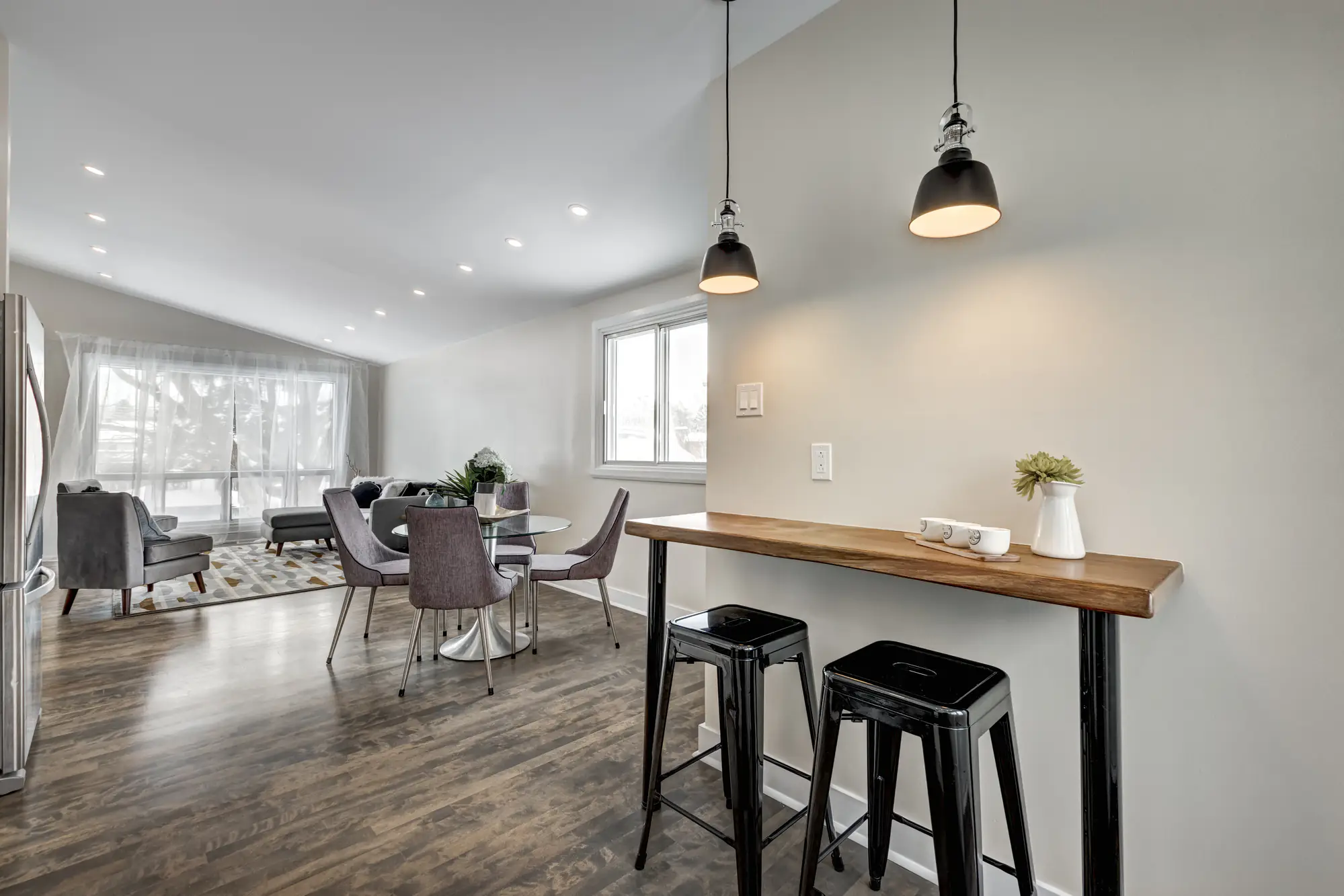
Every garage conversion we complete includes proper insulation, electrical upgrades, and climate control to create comfortable year-round living space. We handle structural modifications, add windows for natural light, and install proper flooring that matches your home’s style.In Monsanto’s market, smart homeowners are capitalizing on rental income opportunities while housing demand stays high. An ADU can provide steady revenue, potentially paying for the conversion costs over time.We also coordinate all inspections and final approvals, ensuring your new space meets California’s updated building codes. From studio apartments to full one-bedroom units, we deliver spaces that feel integrated with your home, not like afterthoughts.
Do I need permits to convert my garage in Monsanto, CA?
Yes, garage conversions require building permits in Monsanto and throughout California. You’ll need to obtain permits for your ADU garage conversion and check with your local planning department for specific requirements.The good news is that California has simplified the permitting process for ADUs, and by July 2026, the California Coastal Commission must provide local governments clear guidance to streamline approvals. We handle all permit applications, ensuring your project complies with current ADU regulations and local building codes.Don’t risk doing unpermitted work. If you have an unpermitted ADU and wish to rent it out, you risk fines, insurance problems, and potential lawsuits from tenants.
How much does a garage conversion cost in the Bay Area?
Garage conversion costs in the Bay Area typically range from $70,000 to $107,000 for a 2-car garage. However, costs vary significantly based on the scope of work, materials selected, and specific requirements of your project.On average, it costs around $40 per square foot to complete a garage conversion project. Factors affecting price include electrical and plumbing work, HVAC installation, insulation, flooring, and whether you’re creating a basic studio or full apartment with kitchen and bathroom.We provide transparent, detailed estimates upfront with no hidden fees. Our “Never Get Burnt Guarantee” means no upfront payments – you only pay as work progresses and meets your satisfaction.
Can I rent out my converted garage as an ADU?
Yes, you can rent out a properly converted garage as an ADU in California. Assembly Bill 976 extends the prohibition on owner-occupancy requirements indefinitely, meaning local agencies cannot impose owner-occupancy requirements for new or converted ADU projects permitted after Jan. 1, 2025.This means you can rent out your converted garage while living in your main house, or rent out both units if you choose to live elsewhere. With rental prices consistently high in the Bay Area, an ADU can provide steady revenue, potentially paying for the conversion costs over time.However, the conversion must be done properly with all permits and inspections completed. Only legal, permitted ADUs can be safely and legally rented to tenants.
How long does a garage conversion take to complete?
The timeline for an ADU garage conversion can range from a few weeks to several months, depending on the project’s complexity and local permitting requirements. Simple conversions creating basic living space typically take 6-8 weeks once permits are approved.More complex projects involving full kitchens, bathrooms, or structural modifications may take 3-4 months. Permit approval time varies by jurisdiction but has been streamlined under current California ADU laws.We provide realistic timelines during our initial consultation and keep you updated with weekly progress reports. Our dedicated project manager ensures your conversion stays on schedule while maintaining quality standards throughout the process.
What's the difference between a garage conversion and building a new ADU?
A garage conversion can be one of the quickest and most affordable ways to add living space to a home. The foundation, walls, and roof are already in place. The wiring is often sufficient.Building a new detached ADU requires site preparation, foundation work, framing, roofing, and all new utilities – significantly more time and cost. Garage conversion ADUs do not have a size limit, as long as you stay within the existing footprint.Garage conversions also typically face fewer setback restrictions and zoning complications since you’re working within existing structures. This makes them an attractive option for homeowners who want to add living space quickly and cost-effectively.
Will converting my garage affect my home's resale value?
In the Bay Area’s competitive real estate market, a garage conversion can yield a high return on investment. Real estate experts estimate that a well-executed garage conversion can increase a home’s value by up to 20-30%.A professionally converted garage can enhance your property’s appeal and potentially add significant value. It can provide an excellent return on investment and make your home more attractive to potential buyers.The key is professional execution with proper permits and quality materials. Buyers appreciate additional living space, especially in areas where housing is expensive and space is limited. However, unpermitted or poorly executed conversions can actually hurt your home’s value and create legal complications during sale.
Other Services we provide in Monsanto