
Flooring in Mission, CA
$2M Homes Deserve Floors That Actually Last

Hear from Our Customers
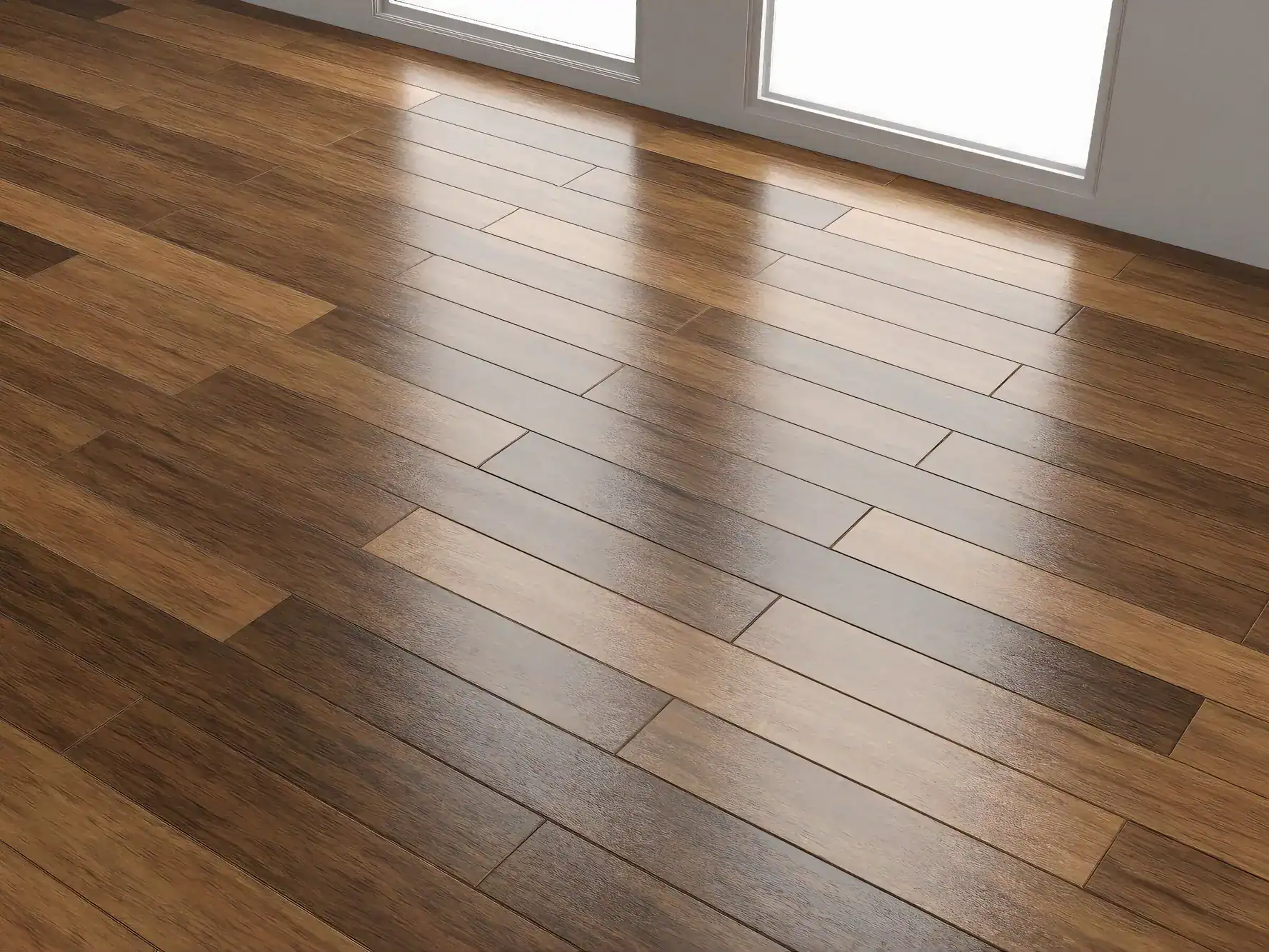
Hardwood and LVP Flooring Mission CA
Mission’s climate does something most homeowners don’t think about until it’s too late. The dry East Bay summers pull moisture out of wood floors, and the marine layer that rolls in through the Fremont lowlands during winter pushes it back. That cycle — dry, then damp, then dry again — is exactly what causes hardwood floors to gap, squeak, and cup over time. When a contractor skips moisture testing and proper acclimation before installation, you’re essentially paying twice: once for the floor, and again to fix it.
The other thing worth knowing about Mission specifically is the housing stock. A significant portion of the homes here were built between the 1950s and 1980s on concrete slab foundations. Slabs trap moisture vapor, and if that’s not addressed before a single plank goes down, it doesn’t matter how good the material is — the floor will fail. Engineered hardwood and luxury vinyl plank both handle slab conditions better than solid hardwood, and knowing which one fits your specific home is part of what the right contractor brings to the table.
When the prep work is done correctly, the difference is real. Floors that don’t move, don’t squeak, and don’t require a callback six months later. In a home that’s worth what yours is worth in this neighborhood, that’s not a luxury — it’s just the standard.
Flooring Contractor in Fremont Alameda County
We hold a BuildZoom score of 110 — that puts us in the top 4% of 336,931 licensed California contractors. That score is calculated from permit history and license data, not self-reported claims. You can look it up yourself at BuildZoom.com. We’re also BBB Accredited and hold both a General Contractor (B) license and a Roofing license, which matters more than it sounds when your flooring project uncovers a subfloor issue that needs structural attention.
We serve Alameda County, and Mission is home territory for us. We know what’s under the floors in this neighborhood — the slab foundations, the legacy materials in older homes along Mission Boulevard, the kind of subfloor complexity that surprises flooring-only contractors who haven’t worked here before. Our team carries over 40 years of combined experience, and we bring that to every project regardless of size.
One more thing worth mentioning: you don’t pay us a single dollar until the work is done to your satisfaction. That’s not a promotional line — it’s how every project we take on is structured.

Flooring Installation Process Mission San Jose
It starts with a walkthrough of your space. Before anything is ordered or scheduled, we look at your subfloor, check for moisture, and assess what’s actually going on beneath the surface. In Mission, where slab-on-grade construction is common and some homes still have legacy flooring materials from the 1960s and 70s underneath what’s visible, this step isn’t optional — it’s where we figure out what your project actually requires versus what it looks like on the surface.
Once the scope is confirmed, you choose your material. We’ll walk you through the options that make sense for your specific home — not just what looks good in a showroom. Engineered hardwood, luxury vinyl plank, laminate, tile, carpet — each one performs differently depending on your foundation type, your household, and how the space gets used. After that, hardwood and engineered wood materials are acclimated to your home’s conditions for the time they need before installation begins. Skipping that step is the single most common reason floors fail in this climate.
Installation is managed by a dedicated project manager who keeps you updated weekly. You don’t have to be home every day. You don’t have to babysit the job. When the work is done, we do a final walkthrough with you — and you don’t pay until you’re satisfied.

Ready to get started?
Hardwood Laminate Tile and Vinyl Plank Flooring
We handle the full range of residential flooring — hardwood installation (both solid and engineered), luxury vinyl plank, laminate, tile, and carpet. What makes the difference here isn’t the product list, it’s what happens before and after the material goes down. Full subfloor inspection, moisture testing, proper prep, and a clean finish are built into every project. These aren’t add-ons — they’re the baseline.
Because we hold a General Contractor license, we can handle what flooring-only contractors can’t. If your subfloor needs structural repair, if there’s moisture intrusion coming through a slab, or if removing old flooring reveals materials that need proper handling — we deal with it in-house. That matters in a neighborhood like Mission, where homes built in the 1950s through 1980s regularly present exactly these kinds of discoveries. The Fremont Unified School District’s own 2024 modernization project at Mission San Jose Elementary specifically flagged legacy flooring removal as a priority — the same conditions exist in many of the residential homes in this area.
Flexible financing is available for larger projects, including whole-home flooring replacements. And because every project comes with a dedicated project manager and optional post-completion cleaning, the experience from first call to final walkthrough is designed to fit around your schedule — not the other way around.

Do I need a permit to replace flooring in my Mission home?
For standard flooring replacement — swapping out carpet for hardwood, replacing tile, or installing LVP over an existing subfloor — the City of Fremont generally does not require a building permit. This falls under cosmetic interior work, and like-for-like replacements typically don’t trigger the permitting process through Fremont’s Building and Planning department.
Where it gets more complicated is when subfloor repairs are involved. If we open up a floor and find structural damage, moisture intrusion, or conditions that require actual repairs to the subfloor assembly, that work may require a permit depending on the scope. As a licensed General Contractor serving Alameda County, we handle that determination for you — we know when something needs to be permitted and when it doesn’t, and we won’t cut corners to avoid the paperwork. You’ll always know exactly what’s required before work begins.
What's the difference between engineered hardwood and solid hardwood for a slab foundation?
Solid hardwood is milled from a single piece of wood, which means it expands and contracts more dramatically with changes in moisture and temperature. On a concrete slab — which is the foundation type in a large portion of Mission homes — solid hardwood is a higher-risk choice because slabs emit moisture vapor that can cause the wood to cup, buckle, or warp over time.
Engineered hardwood is constructed with a real wood veneer over a plywood core, which gives it significantly better dimensional stability. It handles the moisture vapor that comes through concrete slabs far more reliably than solid hardwood, and it can be glued directly to a slab — something solid hardwood typically can’t do. For most Mission homeowners dealing with slab-on-grade construction, engineered hardwood is the more durable and practical choice. It also looks identical to solid hardwood once installed, so there’s no visual trade-off.
How long does a flooring installation project typically take from start to finish?
The honest answer is that it depends on the material, the square footage, and what we find during the subfloor inspection. A straightforward LVP or laminate installation in a single-level home typically takes two to four days of active work. Hardwood projects take longer because the material needs to acclimate to your home’s conditions — usually three to seven days — before installation begins. That acclimation period isn’t downtime, it’s a required step that directly affects how the floor performs long-term.
If subfloor prep is needed — leveling, moisture barrier installation, or repairs — that adds time before the flooring itself goes down. In Mission, where the East Bay’s humidity cycling creates real moisture management demands, we don’t rush past that step. The total timeline from initial walkthrough to final completion on a standard whole-home project typically runs one to two weeks. Your project manager will give you a specific schedule before work starts so you know exactly what to expect.
Is luxury vinyl plank actually worth it for a high-value home in Mission, CA?
LVP has come a long way from what it was ten years ago. The product at the higher end of the market today — thicker wear layers, realistic wood grain texture, proper locking systems — performs exceptionally well in residential settings and holds up to the kind of daily use that premium homes actually see. In 2025, resilient flooring including LVP surpassed traditional hardwood in kitchen market share for the first time, largely because it handles moisture and foot traffic better in high-use areas.
For Mission homeowners, LVP makes particular sense in kitchens, bathrooms, laundry rooms, and any space that sees water exposure or heavy foot traffic. It’s also one of the better options for homes with pets or kids where scratch resistance matters. The key is choosing the right product — wear layer thickness, core construction, and finish quality vary significantly across price points. We’ll help you find the option that fits your home and your budget without pushing you toward material that doesn’t match your actual needs.
What should I do if I find old vinyl tile under my existing flooring in Mission?
This comes up more than most homeowners expect, especially in Mission homes built before 1980. Vinyl floor tiles manufactured and installed between roughly 1950 and 1980 may contain asbestos-containing materials — it was a common component in flooring adhesives and tile composition during that era. The Fremont Unified School District’s own 2024 modernization project at Mission San Jose Elementary specifically cited legacy flooring removal with asbestos emphasis as part of the scope, which reflects just how prevalent these materials are in the area’s building stock.
If you find old vinyl tile during a flooring removal, the right move is to stop and get it tested before anything else is disturbed. Asbestos-containing materials are not dangerous when left intact, but cutting, sanding, or breaking them releases fibers that require proper abatement protocols under California regulations. As a licensed General Contractor, we know how to handle this situation — including when to bring in certified abatement professionals and how to keep your project moving forward without putting anyone at risk.
How does Dopro's no-upfront-payment policy actually work for flooring projects?
It works exactly the way it sounds. You don’t pay anything before the work begins, and you don’t pay until the project is complete and you’re satisfied with the result. There’s no deposit, no draw schedule, no partial payment at the midpoint. The entire payment happens after the final walkthrough, when you’ve seen the finished floor and confirmed it meets your expectations.
This structure exists because it puts the accountability where it belongs — on us, not on you. In a market where flooring bids vary wildly and homeowners have real reason to be cautious about who they let into a $2M home, removing the financial risk upfront changes the dynamic entirely. You’re not hoping we deliver. We’re committed to delivering because we don’t get paid until we do. For Mission homeowners who are used to doing their due diligence before making significant decisions, this is the kind of structure that makes the first call a lot easier to make.
Other Services we provide in Mission