Summary:
You’re ready to start that kitchen remodel. Design is finalized, budget approved, timeline set. Then someone mentions permits.
Suddenly you’re wondering if you’re about to navigate months of bureaucratic delays for what seems like straightforward construction work. Here’s what actually matters: most home improvement projects in Contra Costa County, CA require building permits, and trying to skip them creates problems that dwarf any application hassle.
The good news? Permits don’t derail your timeline when you understand what’s required, how long approvals actually take, and which projects trigger county review. Let’s decode the building permit requirements that apply to your specific project.
What Are Building Permits and Why They Matter
A building permit is official authorization from Contra Costa County, CA that confirms your construction meets safety codes, zoning regulations, and building standards. It’s not bureaucratic red tape. It’s verification that electrical systems won’t cause fires, plumbing changes won’t create leaks, and structural modifications won’t compromise your home’s stability.
Think of permits as insurance for your investment. Permitted work becomes part of your home’s official record, which prevents complications during resale. Your insurance company relies on permits to verify work was done correctly—unpermitted electrical or plumbing modifications can void coverage if damage occurs.
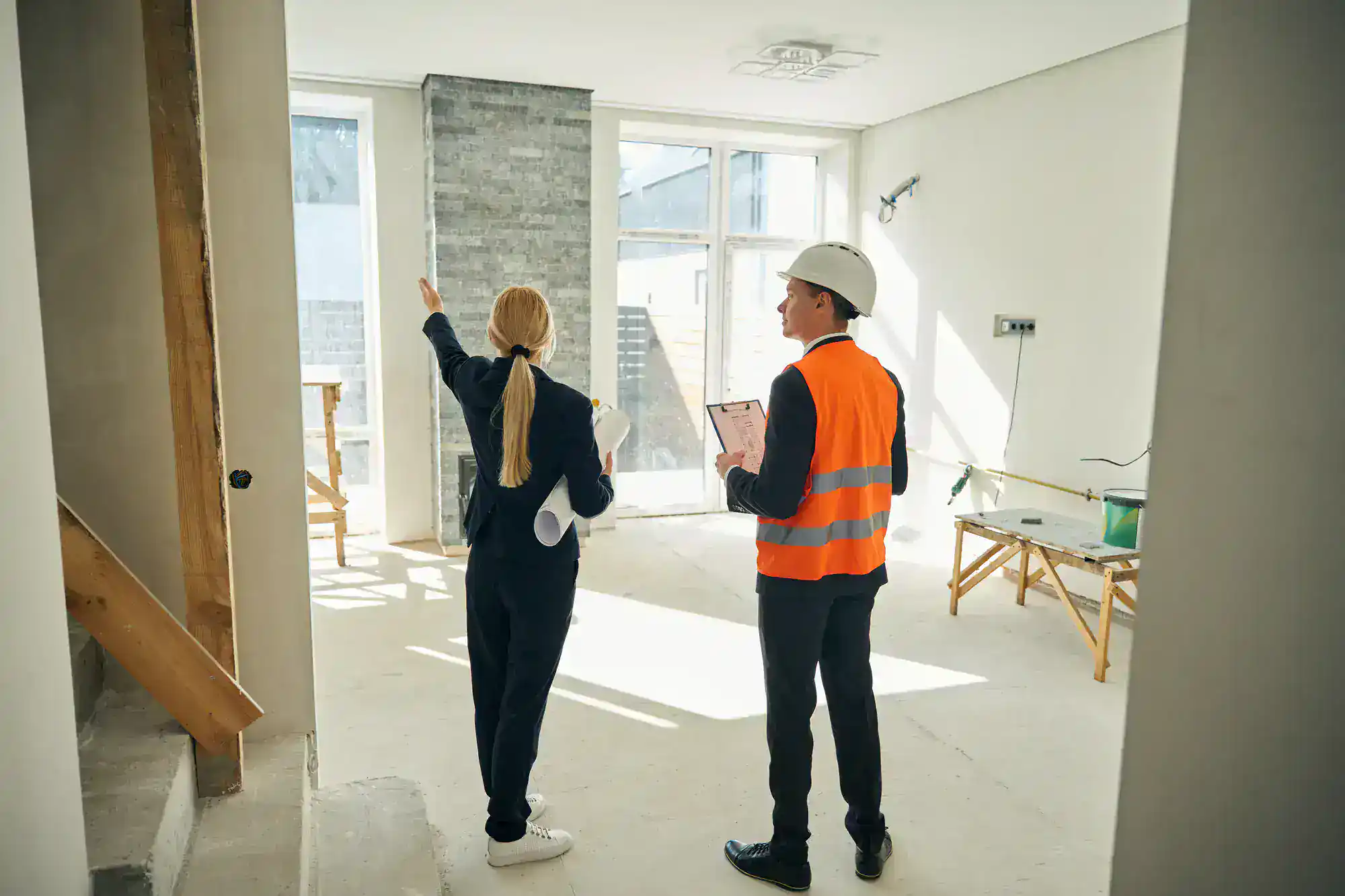
The permit process gives you access to professional inspections at critical construction stages. Inspectors catch problems before walls close up, saving you from expensive corrections later. When you pull building permits correctly, you’re protecting your family’s safety and your property’s value.
Which Projects Require Building Permits in Contra Costa County
Almost all projects beyond basic maintenance require building permits in Contra Costa County, CA. The rule: if you’re changing structure, electrical systems, plumbing, or mechanical components, you need county approval before work starts.
Structural work always triggers building permit requirements. Removing or adding walls. Expanding your home’s footprint with additions. Converting garages or basements into living space. Modifying foundations or roofing systems. Even interior wall removal needs permits because inspectors verify whether walls are load-bearing.
Electrical, plumbing, and mechanical changes require separate trade permits. Panel upgrades, rewiring, adding circuits, installing EV chargers—all need electrical permits. Plumbing permits cover new systems, rerouting pipes, replacing major stacks, relocating fixtures. HVAC installations, ductwork modifications, mechanical equipment replacements need mechanical permits.
Kitchen and bathroom remodels confuse homeowners because permit requirements depend entirely on scope. Painting walls, replacing cabinet doors, installing new flooring? Typically no permit needed. Moving plumbing fixtures, upgrading electrical service, opening walls to reroute systems? Permits are mandatory. The work determines requirements, not the room.
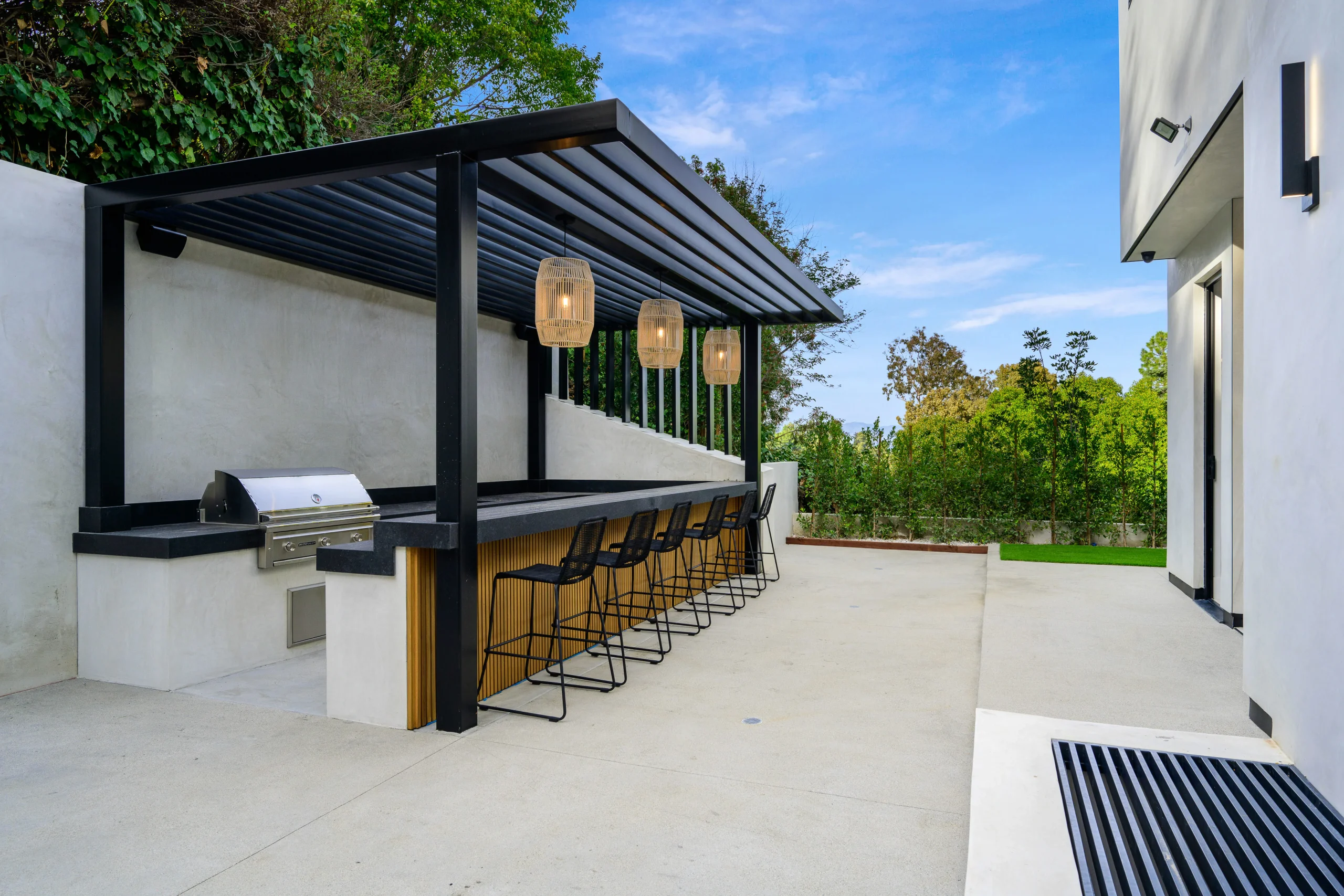
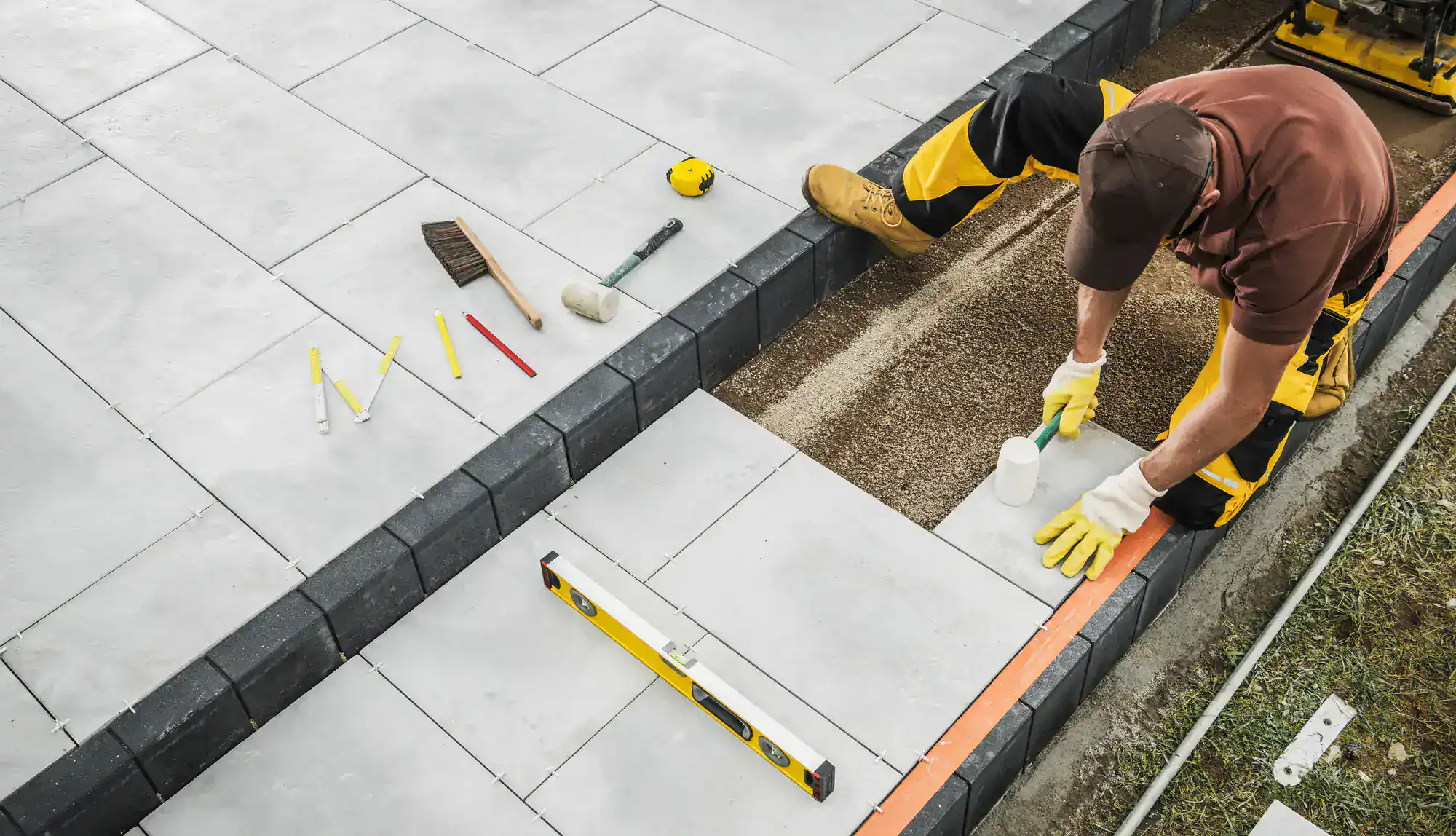
Outdoor projects have specific thresholds. Retaining walls three feet or taller require building permits in Contra Costa County, CA. Decks, covered patios, outdoor kitchens with gas lines, structures over 120 square feet all need approval. Fences under seven feet generally don’t require permits, though neighborhood restrictions may apply.
ADUs and garage conversions always require comprehensive permitting because they create new living space. These projects need planning approval before building permit applications can even be submitted.
What Happens When You Build Without a Permit
Building without permits in California creates consequences that far outweigh any time or money you think you’re saving. These aren’t theoretical risks—Contra Costa County actively enforces permit requirements.
Stop-work orders halt your project immediately when inspectors discover unpermitted construction. County officials can remove workers from your site and prevent further progress until you obtain proper permits. This adds weeks or months while you navigate retroactive permitting, which often costs double original permit fees.
Financial penalties escalate fast. Local governments fine homeowners $500 per day for building code violations. Contractors face steeper consequences—up to $5,000 per violation according to California Contractors State License Board, plus potential license suspension.
The worst outcome? Forced removal of completed work. If inspectors determine unpermitted construction doesn’t meet building codes, you’ll tear down additions, remove walls, redo plumbing or electrical systems, or demolish entire structures. You’ll pay for demolition, proper permitting, and rebuilding to code.
Insurance complications create long-term risk. If unpermitted electrical work causes fire or faulty plumbing creates water damage, insurance companies deny claims. Some insurers cancel coverage entirely when discovering unauthorized projects.
Property resale problems emerge years later. In California, violations “run with the land”—they attach to the property regardless of who performed work. Buyers or lenders require proof of permits for improvements. Title companies flag unpermitted work during escrow, killing deals or forcing price reductions. You might need retroactive permits, code updates, or accept lower offers accounting for buyer risk.
Current homeowners remain liable for unpermitted work done by previous owners. Always verify permit history before buying property.
Permit Application Process: How to Apply in Contra Costa County
Contra Costa County, CA switched to 100% digital building permit applications through their ePermits Center. Paper applications are no longer accepted. The county processes over 14,000 building permits annually through this platform, so the system handles volume—but you need to navigate it correctly.
First, determine jurisdiction. Contra Costa County provides building permit services for unincorporated areas plus Clayton, Hercules, Lafayette, Moraga, and Orinda. Other cities like Walnut Creek, Concord, Richmond have separate building departments with different requirements. Use the county’s CCMAP online tool to verify which agency handles permits for your property.
Most projects require professional plans showing scope of work, materials, system changes. Simple projects might qualify for over-the-counter review. Anything involving structural modifications, electrical panel upgrades, or plumbing relocations needs detailed drawings. Licensed architects or engineers must prepare plans for certain projects—check the county’s requirements guide before starting.
Required forms include the Building Permit Declaration Form signed by your licensed contractor or owner-builder. Some projects need geotechnical reports, drainage plans for new impervious surfaces over 1,000 square feet, CalGreen Construction & Demolition Debris Recovery Program documentation. The county provides project-specific checklists outlining exactly what gets submitted.
How Long Does It Take to Get a Building Permit
The permit timeline in Contra Costa County, CA varies dramatically based on project complexity, application completeness, and current department workload. Realistic timeframes help you plan construction schedules without frustrating delays.
Simple residential projects like straightforward kitchen or bathroom remodels typically take two to eight weeks from application submission to permit issuance. This assumes complete applications without multiple review cycles. Over-the-counter permits for minor work can be issued same-day if you meet requirements.
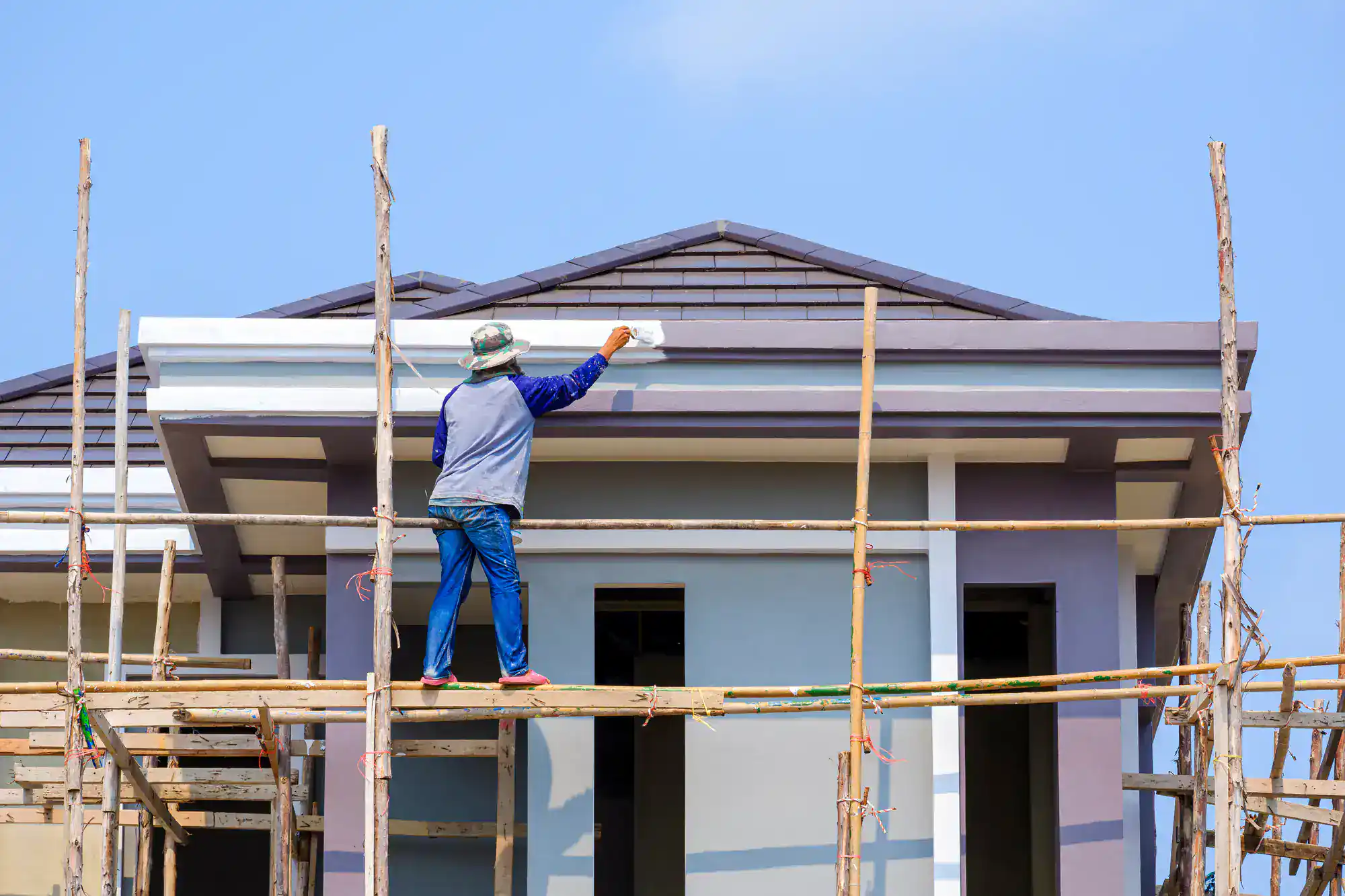
Major renovations involving additions, structural changes, or exterior modifications generally require two to four months. These projects route through multiple departments—Building, Planning, Public Works, Fire Districts, sometimes Environmental Health or Sanitary Districts. Each reviews for specific requirements. All must approve before permits issue.
Complex projects requiring design review, environmental assessment, or discretionary approvals can take four to twelve months or longer. New construction, ADUs in certain zones, projects affecting historic properties face longest timelines. Planning approval must be secured before building permit applications can be submitted.
Review cycles significantly impact overall timeline. About half of submitted projects require more than two plan check cycles because initial applications have incomplete information or don’t fully address code requirements. Each revision cycle adds weeks. County reviewers provide consolidated comments. You have 180 days to respond before applications are deemed abandoned.
Permits expire if you don’t start work within twelve months of issuance. Once construction begins, permits remain valid as long as inspections are requested within twelve-month intervals.
The fastest way through? Submit complete, accurate applications the first time. Contractors familiar with Contra Costa County, CA requirements dramatically reduce back-and-forth review cycles.
Building Permit Cost and Fee Structure
Building permit fees in Contra Costa County, CA are calculated based on project valuation or square footage according to the county’s land development fee schedule. Understanding cost ranges helps you budget accurately.
Simple residential permits typically cost $500 to $2,000 depending on scope. A basic bathroom remodel with plumbing and electrical updates might fall in the lower range. More extensive kitchen renovations approach the higher end. These fees cover plan review, permit issuance, scheduled inspections.
Major renovation permits range from $3,000 to $10,000 or more when including all associated costs. Beyond base permit fees, you’ll pay plan check charges, school district impact fees, utility connection costs, agency review fees. These additional charges substantially increase total permitting expenses, particularly for projects adding square footage.
ADU permits average under $10,000 but can nearly double for complex projects. Processing costs around $2,000 cover staff evaluation hours. Fees vary between localities based on ADU application frequency—areas handling many charge less than jurisdictions processing them infrequently.
Payment happens in stages through the ePermits Center portal. You’ll pay initial plan check fees when submitting your application. Once all department reviews are approved, the county invoices remaining balance. Payment is accepted online by credit card or e-check, or delivered to county offices in person or by mail.
Warning: The county never requests payment information over unsolicited communication. Beware of fraudulent payment requests.
Permit costs represent small percentages of total project expenses but provide significant value. They ensure work meets safety standards, protect insurance coverage, maintain resale value, prevent expensive corrections later. Trying to save permit fees by skipping the process typically costs far more when violations are discovered.
Specific requirements beyond standard permits can affect your project. Drainage plans are mandatory for certain development projects under County Ordinance 2007-01. Projects in special flood hazard areas, near watercourses, or on slopes exceeding 10% face additional documentation requirements. Fire sprinkler installation may be required for certain additions.
Getting Your Project Permitted and Started Right
Building permits in Contra Costa County, CA protect your investment, keep your family safe, and ensure your project adds value rather than creating liability. The digital ePermit system streamlines applications when you understand requirements and submit complete documentation.
Key takeaways: Most projects involving structure, electrical, plumbing, or mechanical systems require permits. Timelines range from weeks to months depending on complexity. Costs are calculated on project valuation but represent small percentages of total investment. Skipping permits creates legal, financial, insurance consequences that far exceed perceived savings.
The difference between smooth permit approval and months of delays? Working with contractors who handle Contra Costa County, CA permits regularly. We know which projects trigger review, what documentation gets submitted, how to navigate the ePermit system efficiently. This expertise prevents the delays and revision cycles that plague incomplete applications.
When you’re ready to start your remodeling project the right way, we handle all permit applications and coordinate required inspections. Our team knows Contra Costa County requirements inside and out, which keeps your project moving forward without unnecessary delays.