Summary:
You’ve noticed the shingles curling. Maybe you’ve spotted a leak after the last storm. Now you’re facing the question every Bay Area homeowner dreads: how much is this actually going to cost?
Roof replacement isn’t a small expense, especially in Contra Costa County where everything from labor to permits runs higher than most of the country. But going in blind makes it worse. When quotes range from $15,000 to $40,000 for what seems like the same job, you need to understand what’s driving those numbers.
This guide gives you real 2026 pricing for our area, breaks down what you’re actually paying for, and helps you figure out if you even need a full replacement or if repairs might buy you more time. Let’s start with what most Bay Area homeowners actually spend.
What Does Roof Replacement Actually Cost in Contra Costa County
Most homeowners in Contra Costa County spend between $15,000 and $35,000 for a complete roof replacement in 2026. That’s not a guess—it’s what projects actually cost when you factor in Bay Area labor rates, materials that meet California’s building codes, and the permits required in cities like Walnut Creek, Concord, and Richmond.
For a typical 2,000-square-foot home with asphalt shingles, you’re looking at roughly $21,000 to $28,500. Smaller homes with simpler roof lines land on the lower end. Larger homes with steep pitches, multiple valleys, or tile materials push toward the higher end or beyond.
The Bay Area consistently ranks among California’s most expensive markets for roofing work. Labor costs reflect our region’s high cost of living. Strict permitting requirements add time and expense. And if your home was built before 1990, there’s a decent chance you’ll discover issues once the old roof comes off—rotted decking, inadequate ventilation, or outdated flashing that needs addressing before the new roof goes on.
Roofing Cost Per Square Foot: Bay Area Breakdown
Contractors price roofing by the square foot or by “roofing squares”—each square covers 100 square feet. In Contra Costa County, you’ll typically see costs between $9.50 and $14.50 per square foot installed, depending on materials and complexity.
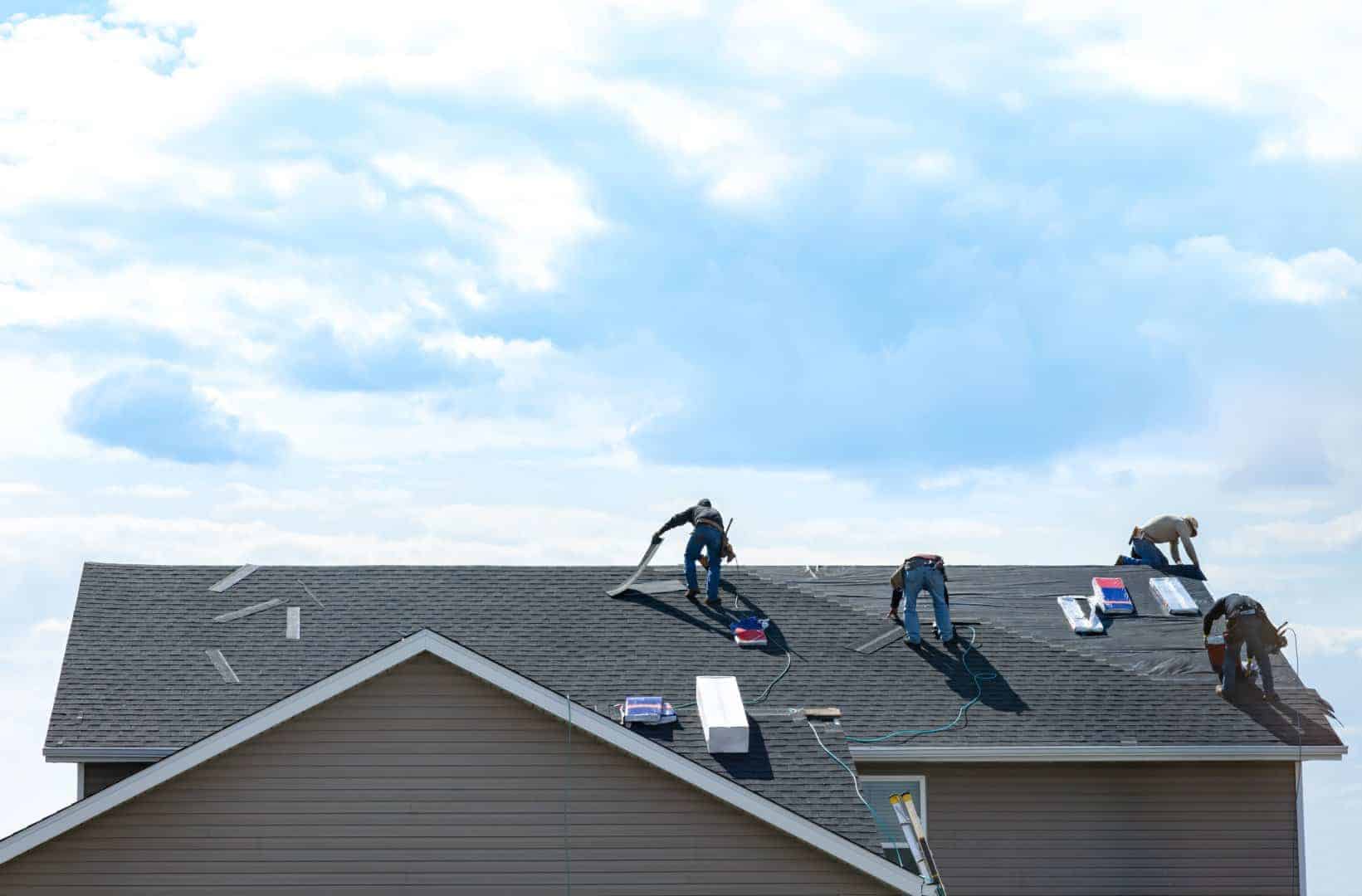
Asphalt shingles, the most common choice in our area, run $5 to $9 per square foot installed. That includes tear-off of your old roof, disposal, new underlayment, the shingles themselves, and labor. Architectural shingles cost slightly more than basic three-tab but last longer and look better, making them the smarter choice for most homeowners.
Metal roofing costs more upfront—typically $10 to $20 per square foot installed—but lasts 40 to 70 years compared to asphalt’s 20 to 30 years. In areas with wildfire risk or homes where you plan to stay long-term, metal’s durability and fire resistance make the higher initial cost worth considering.
Tile roofing, popular in many Bay Area neighborhoods for its classic look, runs $12 to $25 per square foot. Clay and concrete tiles can last 50 years or more and handle our climate well, but they’re heavy. If your home wasn’t originally built for tile, you may need structural reinforcement, adding $2,000 to $5,000 to the project cost.
The per-square-foot price isn’t everything, though. Your roof’s pitch matters—steeper roofs require more safety equipment and take longer to work on, increasing labor costs. Complexity matters too. A simple gable roof costs less to replace than one with multiple dormers, skylights, or valleys that require careful flashing and detail work.
Access plays a role as well. In neighborhoods with homes built close together or on hillsides, getting materials to your roof takes more time and effort. If a supply truck can’t park close to your house, crews may need to hand-carry heavy bundles of shingles, which adds labor hours to your bill.
Your existing roof’s condition affects the final price. Most quotes assume your decking is solid. But if years of slow leaks have caused rot or water damage, that decking needs replacement before new roofing goes on. This is common enough that experienced contractors build some contingency into their estimates, but significant structural issues will increase costs beyond the initial quote.
What's Actually Included in Your Roof Replacement Cost
Understanding what you’re paying for helps you evaluate quotes and spot contractors who might be cutting corners or padding bills. A complete roof replacement includes several distinct components, each with its own cost.
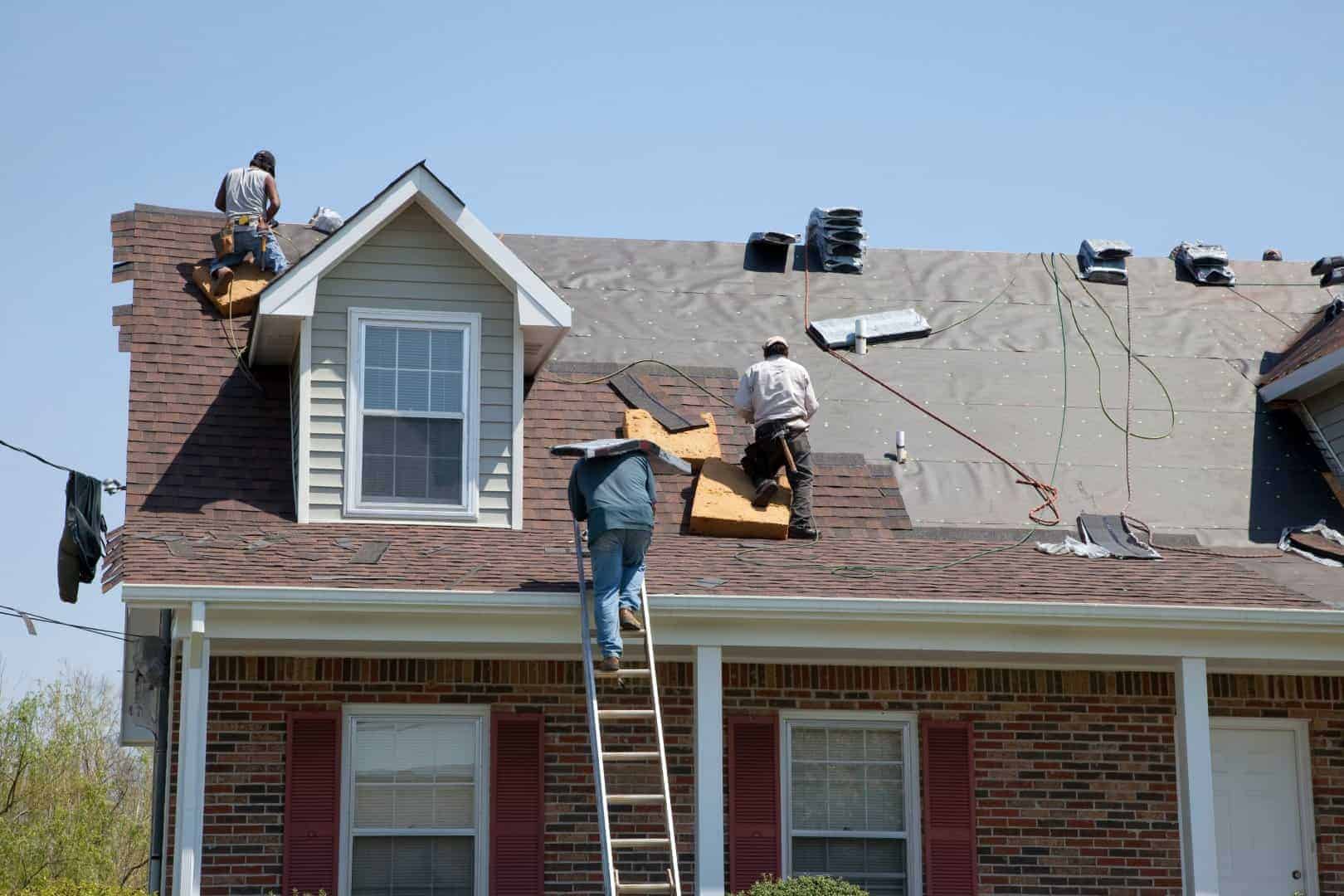
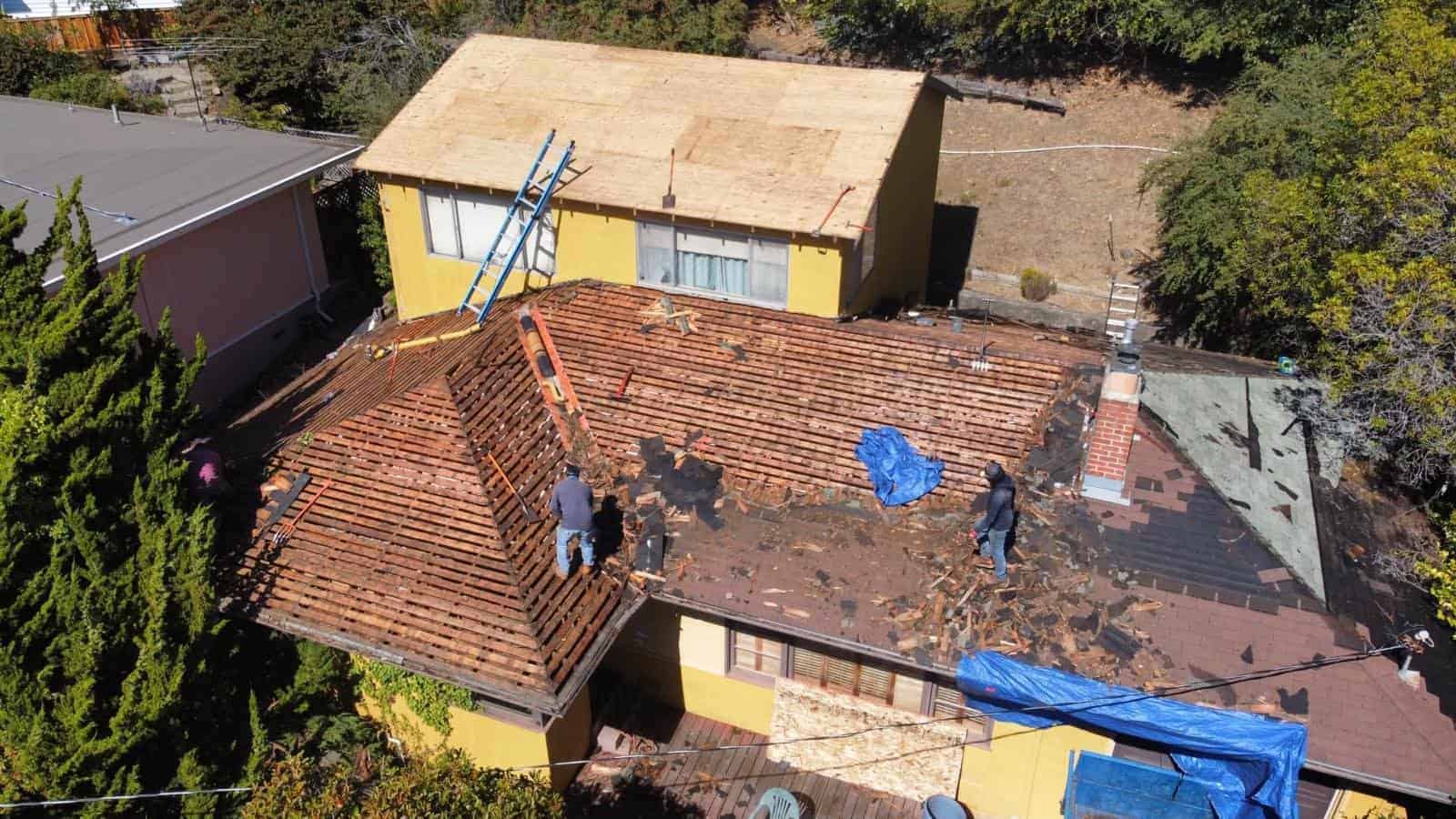
Tear-off and disposal typically cost $1 to $3 per square foot. Your old roof has to come off before the new one goes on. That means physically removing shingles, underlayment, and sometimes damaged decking, then hauling it all away. Disposal fees vary by location, but in Contra Costa County, expect this to be a meaningful line item on your estimate.
Materials make up roughly 40% of your total project cost. That includes the roofing material itself—shingles, tiles, or metal panels—plus underlayment, flashing, ridge vents, and fasteners. Quality matters here. Cheap shingles might save you money today but fail sooner, meaning you’ll pay for another replacement earlier than you should.
Labor accounts for about 60% of the total cost in the Bay Area. Skilled roofers command premium rates in our region, and for good reason. Proper installation determines how long your roof actually lasts. Poor workmanship voids manufacturer warranties and leads to leaks, even with high-quality materials. You’re not just paying for time on the roof—you’re paying for experience that prevents problems.
Permits and inspections add to the cost but protect your investment. Most cities in Contra Costa County require roofing permits, which typically run $150 to $1,000 depending on the project scope and municipality. Inspections ensure the work meets current building codes, particularly California’s strict requirements for fire resistance, seismic safety, and energy efficiency.
Additional work that’s often needed but not always included in base quotes: replacing damaged decking, upgrading ventilation systems, installing new gutters, or addressing structural issues discovered during tear-off. A thorough contractor will inspect your roof before quoting and flag potential issues, but some problems only become visible once the old roof is removed.
The best quotes break down these components clearly. You should see separate line items for materials, labor, tear-off, disposal, permits, and any anticipated additional work. Vague, single-number estimates make it impossible to understand what you’re actually getting or where your money is going.
Roof Repair vs Replacement Cost: Making the Right Call
Not every roof problem requires a full replacement. Sometimes repairs make financial sense. Other times, they’re just delaying the inevitable while costing you money that should go toward a new roof.
Roof repairs in Contra Costa County typically cost $800 to $3,500 depending on the extent of damage. Replacing a few missing shingles, fixing flashing around a chimney, or patching a small leak falls on the lower end. Repairing a larger section of damaged roof or addressing multiple problem areas pushes toward the higher end.
A full replacement costs significantly more—$15,000 to $35,000 for most homes in our area. That’s a big difference, which is why homeowners try to stretch their current roof’s life with repairs. But there’s a tipping point where repairs stop making financial sense.
The general rule: when repair costs approach 25% to 30% of what a full replacement would cost, replacement becomes the smarter investment. If repairs would cost $6,000 and a new roof costs $20,000, you’re better off replacing. You’ll spend the $6,000 on repairs now, then still need a replacement in a year or two anyway.
When Repairs Make Sense vs When You Need Full Replacement
Repairs make sense when your roof is relatively young—under 12 to 15 years old—and the damage is localized. A few missing shingles after a windstorm, flashing that’s come loose, or a small leak from one specific area can usually be fixed without replacing the entire roof.
If your roof still has most of its expected lifespan ahead and the underlying structure is sound, repairs can buy you several more years. This is particularly true if you’re planning to sell within the next few years. A targeted repair might be enough to get you through the sale without the expense of a full replacement.
Replacement becomes the right call when your roof is approaching or past its expected lifespan. Most asphalt shingle roofs last 20 to 30 years in the Bay Area, depending on the quality of materials and installation. If your roof is over 20 years old and showing signs of wear—curling shingles, granule loss, multiple leaks—it’s reached the point where repairs are just Band-Aids.
Widespread damage across multiple areas of your roof signals that the entire system is failing. When you’re dealing with leaks in three or four different spots, the problem isn’t isolated—the roof has reached the end of its useful life. Patching individual leaks won’t address the underlying deterioration happening across the whole surface.
Structural issues like sagging sections, damaged decking visible from inside your attic, or water stains on ceilings in multiple rooms mean the damage has gone beyond the surface. At this point, repairs won’t restore the roof’s integrity. You need a complete tear-off to assess and fix the structural problems, then install a new roof that will actually protect your home.
Energy bills that have crept up over the years can also indicate it’s time for replacement rather than repairs. Older roofs lose their ability to reflect heat and provide adequate insulation. A new roof with modern materials and proper ventilation can reduce cooling costs, particularly during Bay Area summers. When you factor in energy savings over the next 20 to 30 years, replacement often pays for itself compared to limping along with an inefficient old roof.
If you’re unsure whether repair or replacement makes more sense, a thorough inspection by a licensed contractor gives you the information you need. Look for contractors who will honestly tell you when repairs are sufficient rather than pushing for a full replacement you don’t need yet. But also trust the assessment when they explain why replacement is the smarter choice—putting off a necessary replacement usually costs more in the long run through ongoing repairs, energy waste, and potential interior damage from leaks.
Metal Roof Cost: Is the Premium Worth It in Contra Costa County
Metal roofing has gained serious traction in the Bay Area over the past decade, and the numbers explain why. While the upfront cost runs higher than asphalt shingles, the long-term value proposition makes homeowners take a second look.
Metal roofs in Contra Costa County typically cost $10 to $20 per square foot installed. For a 2,000-square-foot home, that translates to $20,000 to $40,000 for the complete project. Compare that to $10,000 to $18,000 for asphalt shingles, and the price difference is substantial.
But here’s where the math gets interesting. Metal roofs last 40 to 70 years—roughly double or triple the lifespan of asphalt shingles. If you’re planning to stay in your home for 15 years or more, you might never need another roof replacement. With asphalt, you’re likely looking at one, possibly two replacements over that same period.
Metal’s energy efficiency adds to the value. The reflective surface bounces solar heat away from your home rather than absorbing it. During Contra Costa County’s summer months, that can reduce cooling costs by 10% to 25%. Over decades, those savings add up.
Fire resistance matters in California. Metal roofing carries a Class A fire rating, the highest available. In areas with wildfire risk or where insurance companies are getting pickier about coverage, metal’s fire resistance can actually lower your insurance premiums. Some homeowners see discounts of 5% to 20% on their policies.
The durability factor is real. Metal roofs handle wind, hail, and temperature swings better than asphalt. They don’t crack, curl, or lose granules. Maintenance requirements are minimal—usually just occasional cleaning and checking fasteners. No repairs every few years like you’d expect with aging asphalt shingles.
The downsides exist too. Metal costs more upfront, which matters if you’re working with a tight budget or planning to sell soon. Installation requires specialized skills—not every roofing contractor has deep experience with metal systems. Without proper insulation, rain can sound louder on metal roofs, though modern installation techniques largely eliminate this issue.
The decision often comes down to your timeline. If you’re planning to sell within five years, asphalt makes more financial sense—you won’t be there long enough to recoup metal’s higher cost. But if you’re settling in for the long haul, metal’s combination of longevity, energy savings, and minimal maintenance makes it worth serious consideration, especially as the price gap between premium asphalt and entry-level metal continues to narrow.
Getting Accurate Roof Replacement Quotes in Contra Costa County
Understanding typical costs helps you evaluate quotes, but every roof is different. The size of your home, the pitch of your roof, the materials you choose, and the condition of your existing roof all affect your final price.
The smart approach is getting detailed estimates from licensed contractors who will actually inspect your roof before quoting. Satellite measurements and drive-by estimates miss critical details that affect cost. You want someone who will get in your attic, check your decking, assess ventilation, and explain what they see before giving you numbers.
Look for quotes that break down costs clearly—separate line items for materials, labor, tear-off, disposal, permits, and any anticipated additional work. This transparency lets you compare quotes accurately and understand what you’re actually paying for. Vague single-number estimates make it impossible to know if you’re getting a fair price or where corners might be cut.
When you’re ready to move forward with your roof replacement, working with a contractor who understands Contra Costa County’s specific requirements, has deep local experience, and stands behind their work with real guarantees makes all the difference. We bring over 40 years of combined experience to every project, hold both general contractor and roofing licenses, and protect homeowners with our Never Get Burnt Guarantee—no upfront payments required. Our team handles everything from permits to final cleanup, so you get the roof you need without the stress most homeowners face during major projects.