Trim Painting Contra Costa County

Fresh Trim That Actually Lasts

Professional trim painting for baseboards, crown molding, door frames, and window casings throughout Contra Costa and Alameda Counties. Clean lines, durable semi-gloss finish, zero DIY headaches.
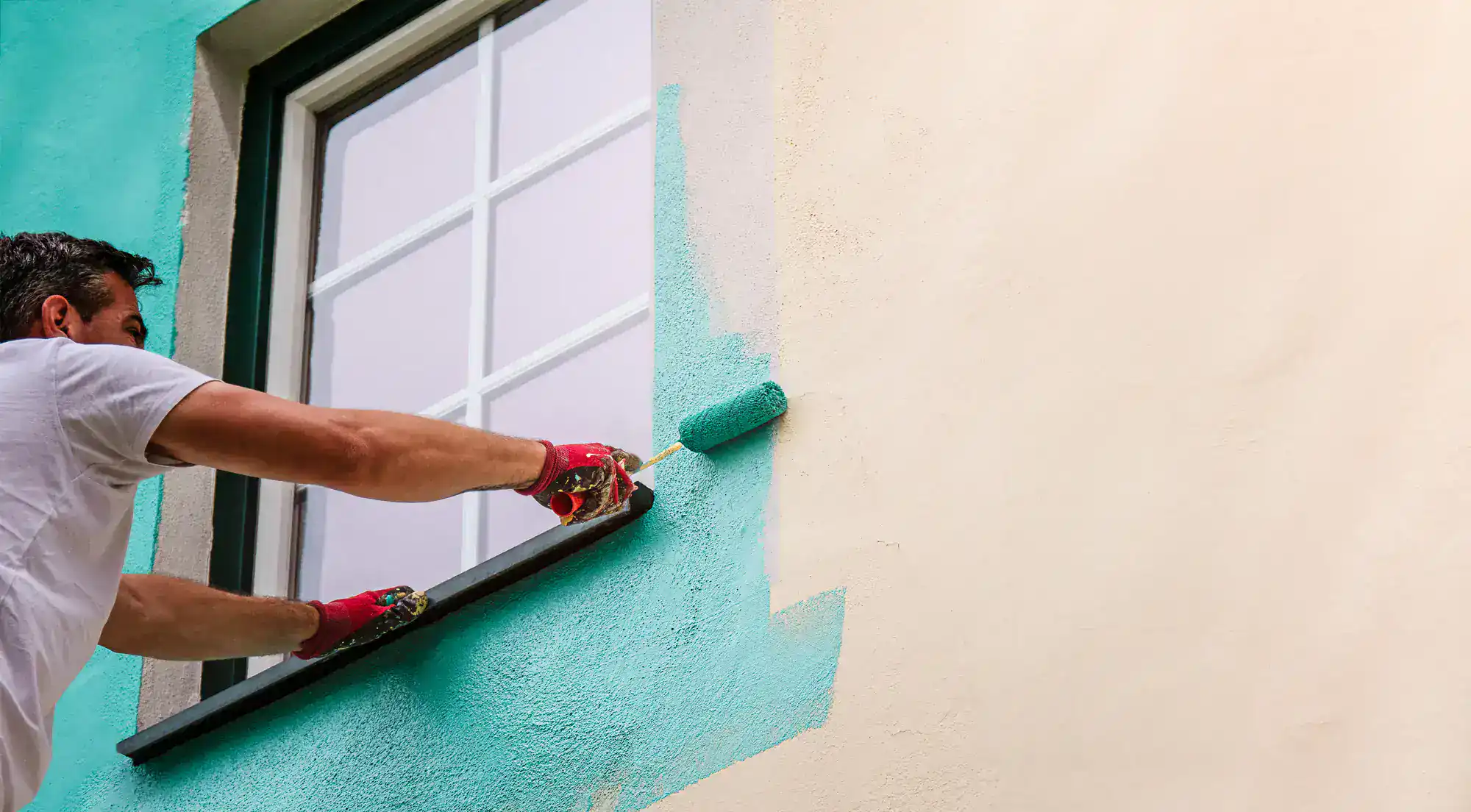
A person wearing red gloves uses a paint roller to apply turquoise paint to the exterior wall of a building, next to a window with white trim and panes—showcasing quality work by General Contractor Services Bay Area, CA.

Get a Free Estimate Today!

Don’t compromise on quality. Hire only the best.

Approved FHA Title I Lender

Financing Through Service Finance Company

Service Finance Company, LLC is a nationally licensed sales finance company providing outstanding financial solutions to homeowners looking to invest in their homes.

Flexible Financing Options

Choose from a variety of loan term options to find the one that fits your financial plan best — so your home improvements work with your budget, not against it.

Quick & Easy Approvals

Get a fast credit decision with a simple, streamlined application process. Less waiting means you can start your project sooner.

No Equity Required

Unlike traditional financing methods, you don't need home equity to qualify. Open the door to improvements regardless of how long you've owned your home.

Competitive Rates

Service Finance offers competitive rates to ensure your home improvements are both beneficial and affordable — maximizing the value of every dollar.

Fund Your Home Improvement Project Today

From energy-efficient upgrades to a complete home makeover, Service Finance LLC provides financing solutions so you can invest in your home without the financial worry.

Apply for Financing No obligation · Quick credit decision

Dual Licensed Contractor

Both general contractor and roofing licenses mean you’re working with a fully qualified team that handles every detail correctly.

Never Get Burnt Guarantee

No upfront payments required. You only pay when the work meets your standards and you’re completely satisfied with the results.

BBB Accredited Business

Verified track record of quality workmanship and customer satisfaction backed by Better Business Bureau accreditation and industry certifications.

Dedicated Project Manager

Your assigned project manager provides weekly updates, answers questions immediately, and ensures your trim painting stays on schedule.
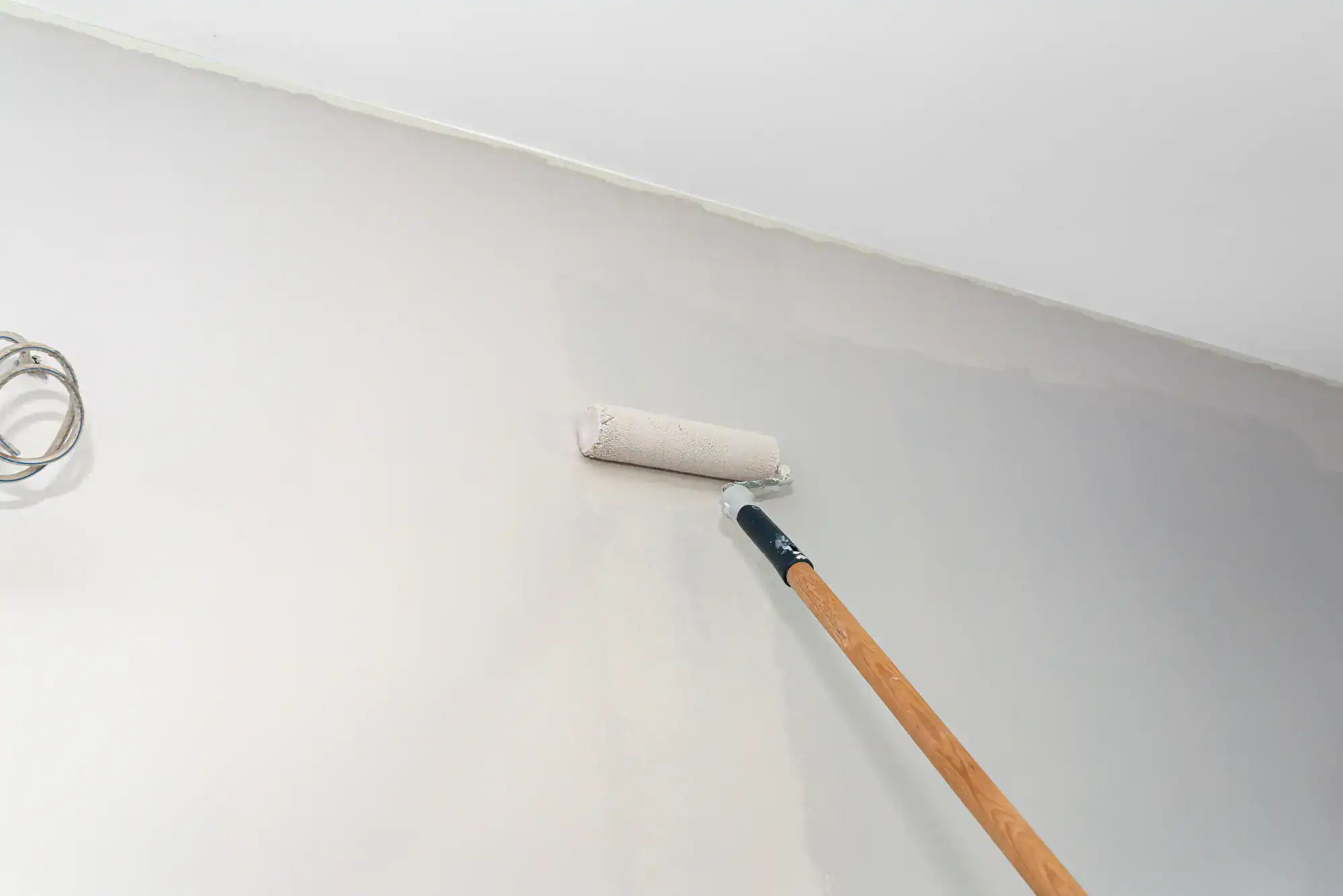
A paint roller with a long wooden handle is being used to apply light gray paint to a wall near a white ceiling, suggesting that a general contractor in Contra Costa & Alameda County, CA is handling the painting project in progress.

Professional Trim Painters Bay Area

Trim Work That Elevates Your Entire Space

Trim painting sounds simple until you’re three hours in, your back hurts, the lines aren’t straight, and you’re questioning every decision that led you here. Here’s the reality: trim work separates amateur paint jobs from professional ones. Baseboards, crown molding, door frames, and window casings frame every room in your home. When they’re done right, everything looks polished. When they’re not, even fresh walls can’t save the overall look. We handle trim painting across Contra Costa and Alameda Counties for homeowners who want results that last longer than a few months. Proper surface prep, quality semi-gloss finishes, clean cut lines, and zero guesswork.

Trim Painting Contra Costa Alameda

What You Actually Get

Professional trim painting means crisp lines, durable finishes, and a home that looks like someone who knows what they're doing worked on it.

Your baseboards won’t show scuff marks and fingerprints within the first month because we use durable semi-gloss paint designed for high-traffic areas.
Crown molding, door frames, and window casings all match in finish and quality, creating a cohesive look instead of a patchwork DIY project.
You get your weekends back instead of spending them on your knees with painter’s tape, hoping the lines turn out straight.
Proper sanding, priming, and caulking mean the paint actually adheres correctly and won’t peel or chip within the first year.
Your floors, walls, and furniture stay protected with meticulous masking and drop cloths, not accidental paint splatters you’ll find months later.
The finish stays smooth and brush-mark-free because we know how to load a brush, maintain a wet edge, and work in manageable sections.
A modern living room with a pink velvet sofa, two round coffee tables, potted plants, and three pendant lights against a pale pink wall—perfect inspiration for your next remodel by a general contractor in Contra Costa & Alameda County, CA.

Baseboards Crown Molding Door Frames

Why Trim Painting Isn't a Weekend Project

Most homeowners underestimate trim work. You see a few baseboards and think it’ll take an afternoon. Then you’re dealing with uneven surfaces, old paint buildup in corners, gaps that need caulking, and trying to cut a straight line where the baseboard meets the wall without getting paint on either surface. Professional trim painters spend more time prepping than painting. We sand down old paint layers, fill nail holes and dents with wood filler, caulk gaps between trim and walls, and prime properly so the topcoat actually sticks. Skipping any of these steps is why DIY trim jobs start peeling within months. The finish matters too. Semi-gloss is standard for trim because it’s durable, easy to clean, and holds up to the daily abuse baseboards take from shoes, vacuum cleaners, and pets. But semi-gloss also shows every imperfection, which is why surface prep can’t be rushed. We work with homes built everywhere from the 1920s to last year, and each one has different challenges—plaster walls, original Craftsman woodwork, modern MDF trim. The approach changes, but the attention to detail doesn’t.
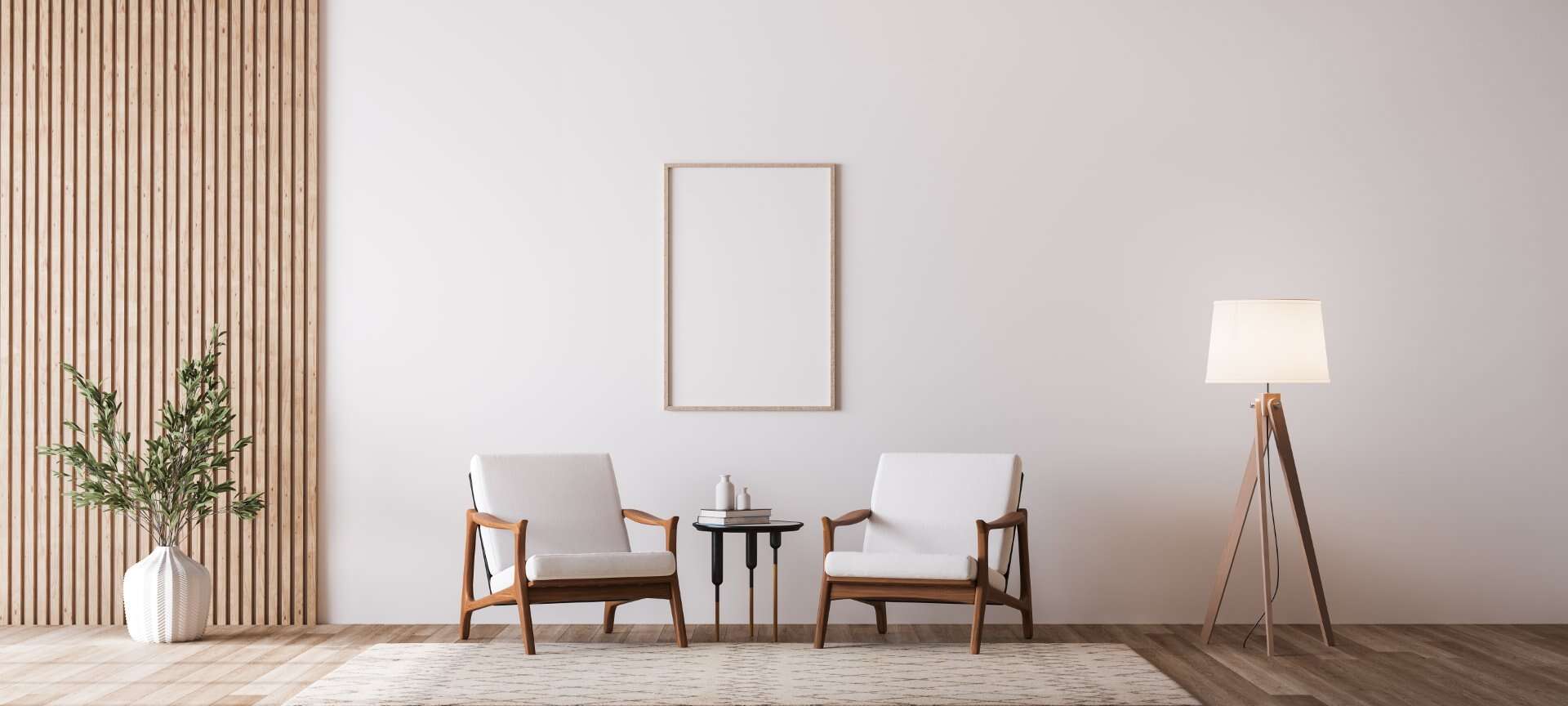
Minimalist living room in CA with two wooden armchairs, a small round table, and a floor lamp. Styled by a general contractor Contra Costa & Alameda County, the space features a large rug, framed picture, and potted plant in a slatted white vase.

Window Casings Semi-Gloss Finish Painting

What's Included in Trim Painting

When we paint trim, you’re getting a complete process, not just someone showing up with a brush. We start with a walkthrough to assess what you’re working with—condition of existing trim, how many coats it’ll need, whether there’s damage that should be repaired first. Then we protect your space. Drop cloths go down, furniture gets moved or covered, and we mask off walls and floors so nothing gets hit with overspray or drips. Surface prep comes next. Old paint gets sanded smooth, especially around edges where buildup creates ridges. Nail holes and dents get filled and sanded flush. Gaps between trim and walls get caulked for a seamless look. If you’re going from dark trim to light, or if the existing paint is oil-based, we prime first so the new paint bonds correctly and doesn’t peel. Then we paint—usually two coats of semi-gloss for baseboards, door frames, and window casings. Crown molding typically gets the same treatment unless you prefer satin for a softer look. We work in sections, maintain wet edges to avoid lap marks, and pull tape while paint is still slightly tacky so you get clean lines instead of ragged edges. Final walkthrough, touch-ups if needed, and cleanup. Your trim looks fresh, your space stays protected, and you didn’t spend three weekends doing it yourself.

Frequently Asked Questions

How much does it cost to paint trim in Contra Costa or Alameda County?
Trim painting typically runs between one and four dollars per linear foot, depending on the condition of your existing trim, how much prep work is needed, and the type of trim you’re painting. Baseboards in a standard bedroom might cost a few hundred dollars. Crown molding in a large living room with high ceilings will cost more because of the height and detail work involved. A full-house trim repaint usually falls between fifteen hundred and five thousand dollars for most homes in the Bay Area. The price includes surface prep, priming, two coats of paint, and cleanup. If your trim has significant damage, needs extensive filling and sanding, or you’re making a dramatic color change, expect costs toward the higher end. We provide detailed estimates after seeing your space so you know exactly what you’re paying for.
Semi-gloss is the standard choice for trim, and for good reason. It’s more durable than satin, easier to clean, and holds up better in high-traffic areas where baseboards take daily abuse from shoes, pets, and vacuum cleaners. The shinier finish also highlights architectural details like crown molding and makes trim stand out against walls. The downside is that semi-gloss shows imperfections more than satin, which is why proper surface prep matters. If your trim has dents, uneven areas, or rough patches, those will be visible under semi-gloss. Satin works well if you prefer a softer, more contemporary look or if your trim has minor flaws you want to downplay. It’s still washable and durable, just less reflective. For most Bay Area homes, we recommend semi-gloss for baseboards, door frames, and window casings because they need to withstand daily wear. Crown molding can go either way depending on your preference.
Most professionals recommend repainting trim every three to five years, though the actual timeline depends on how much wear your trim takes. Baseboards in high-traffic areas like hallways, entryways, and kitchens will show scuff marks and dirt buildup faster than trim in guest bedrooms or formal dining rooms. If you have kids, pets, or just a busy household, you might need to refresh baseboards every two to three years. Crown molding lasts longer because it’s not getting bumped and scraped constantly. Signs it’s time to repaint include visible scuff marks that won’t wipe clean, chipped or peeling paint, fading from sunlight exposure, or just a dingy appearance that makes the whole room look tired. You can extend the time between repaints by using quality semi-gloss paint, keeping trim clean with regular wipe-downs, and addressing small chips or scratches with touch-ups before they spread.
Yes, and that’s exactly what separates professional trim work from DIY attempts. We protect your floors with heavy-duty drop cloths and your walls with painter’s tape applied carefully along edges. The key is proper masking technique—pressing tape down firmly so paint doesn’t bleed underneath, and removing it while the paint is still slightly tacky so you get clean lines instead of pulling up dried paint. For cutting in where trim meets walls, we use steady-hand brushwork instead of relying entirely on tape. An experienced painter can create sharper, cleaner lines by hand than most homeowners can achieve with tape. We also work in controlled sections, don’t overload brushes with paint, and wipe up any accidental drips immediately before they dry. Your space gets the same protection whether we’re painting baseboards near new hardwood floors or crown molding above freshly painted walls.
It depends on your skill level, available time, and what results you’re expecting. Trim painting looks straightforward until you’re dealing with uneven surfaces, trying to cut straight lines, and realizing your back hurts from working on baseboards for hours. Most DIY trim jobs take multiple weekends once you factor in prep, priming, two coats, and cleanup. Common mistakes include skipping surface prep, using the wrong paint type, overloading brushes and creating drips, pulling tape too late and tearing paint, or not maintaining wet edges which creates visible lap marks. Fixing these errors often costs more in time and materials than hiring a professional from the start. We complete trim work faster, use better materials, know how to prep surfaces correctly, and deliver clean lines without the learning curve. If you’re painting a small closet and don’t mind imperfect results, DIY might work. For visible trim throughout your home, especially crown molding or detailed woodwork, professional work is worth the investment.
We typically use Benjamin Moore Advance or Sherwin-Williams Emerald Urethane Trim Enamel for interior trim. Both are hybrid formulas that combine the durability of oil-based paint with the low odor and easy cleanup of water-based products. They self-level to minimize brush marks, resist yellowing over time, and create a hard, furniture-quality finish that holds up to daily wear. Benjamin Moore Advance is popular for its smooth application and excellent adhesion on properly prepped surfaces. Sherwin-Williams Emerald Urethane is known for being scuff-resistant and durable in high-traffic areas. Both cost more than budget paint from big-box stores, but the difference in longevity and finish quality is noticeable. Cheaper paints might save money upfront but often require more coats, show brush marks more easily, and don’t hold up as well over time. For Bay Area homes—especially older homes with original woodwork or Craftsman details—investing in quality paint means fewer repaints and better-looking results.

Assessment and Protection

We evaluate your trim’s condition, discuss finish preferences, then protect floors and walls with drop cloths and professional-grade masking.

Prep and Prime

Sanding, filling, caulking, and priming ensure the paint adheres correctly and lasts years instead of months.

Paint and Finish

Two coats of semi-gloss paint applied with proper technique, clean lines cut by hand, and a final walkthrough before cleanup.
Scroll to Top