Junior ADU Contra Costa Alameda County

Extra Space Without the Wait or the Cost
Turn an unused bedroom or attached garage into permitted living space in months, not years—for half the cost of traditional construction. Your family gets the room they need. You get rental income or multi-generational housing that actually works.
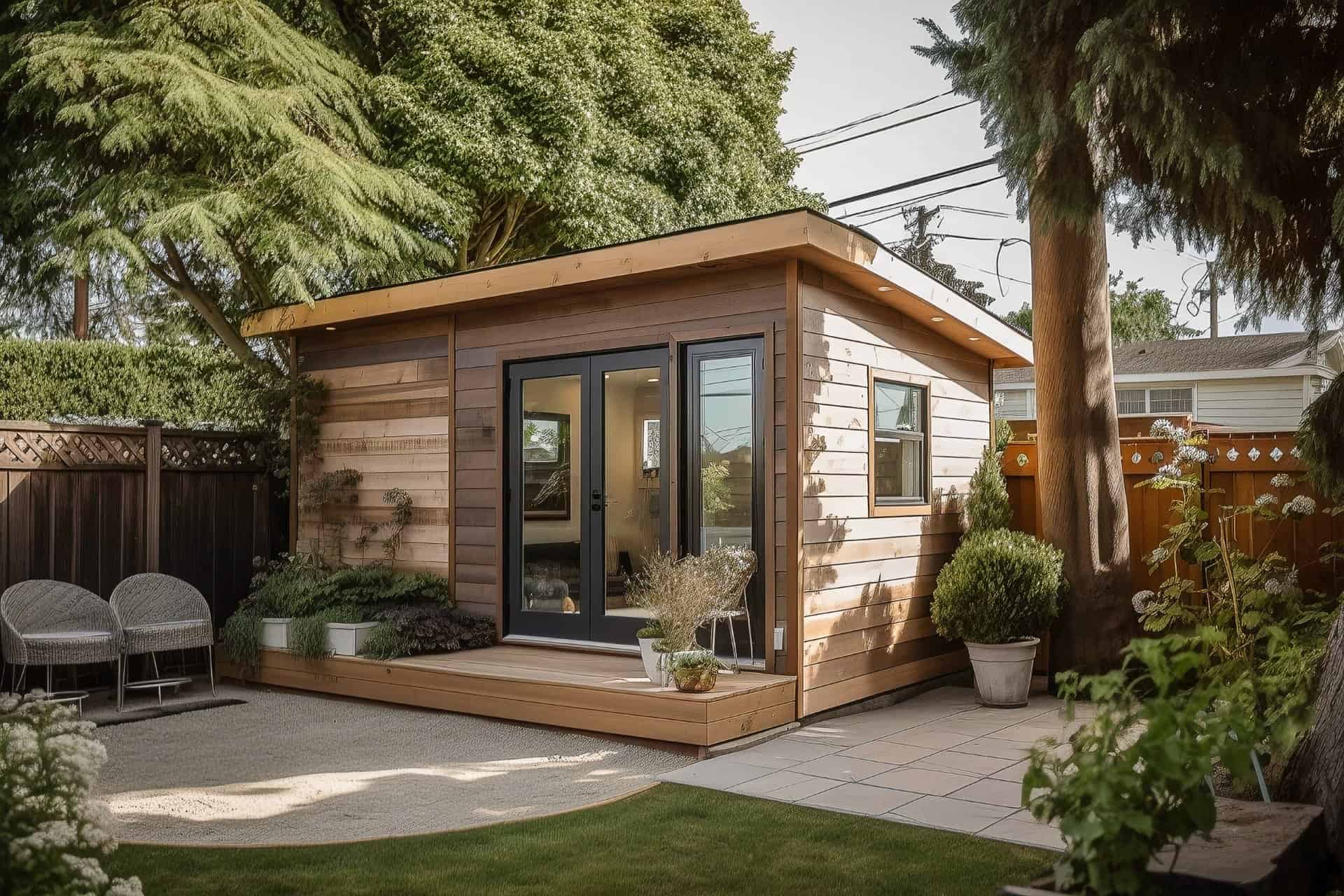
A modern wooden backyard shed with large glass doors and windows sits on a small deck, surrounded by potted plants and trees—expertly installed with the help of General Contractor Services Bay Area, CA—next to a patio and fenced yard.

Get a Free Estimate Today!

Don’t compromise on quality. Hire only the best.

Approved FHA Title I Lender

Financing Through Service Finance Company

Service Finance Company, LLC is a nationally licensed sales finance company providing outstanding financial solutions to homeowners looking to invest in their homes.

Flexible Financing Options

Choose from a variety of loan term options to find the one that fits your financial plan best — so your home improvements work with your budget, not against it.

Quick & Easy Approvals

Get a fast credit decision with a simple, streamlined application process. Less waiting means you can start your project sooner.

No Equity Required

Unlike traditional financing methods, you don't need home equity to qualify. Open the door to improvements regardless of how long you've owned your home.

Competitive Rates

Service Finance offers competitive rates to ensure your home improvements are both beneficial and affordable — maximizing the value of every dollar.

Fund Your Home Improvement Project Today

From energy-efficient upgrades to a complete home makeover, Service Finance LLC provides financing solutions so you can invest in your home without the financial worry.

Apply for Financing No obligation · Quick credit decision

Four Decades Combined Experience

Our team brings over 40 years of expertise to every Junior ADU project in Contra Costa and Alameda Counties.

Dual Licensed Contractor

We hold both general contractor and roofing licenses, handling your entire project without subcontracting major components.

BBB Accredited Company

Third-party verified business practices and customer satisfaction give you confidence your investment is protected.

Never Get Burnt Guarantee

Zero upfront payments required. You don’t pay until work progresses, eliminating the risk of contractor disappearances.
A modern house with large glass doors opens to a wooden patio, where two people relax on outdoor sofas surrounded by lush greenery under a clear sky—an inviting space crafted with expert General Contractor Services Bay Area, CA.

JADU Builder Contra Costa County

What Makes a Junior ADU Different

A Junior ADU converts space that already exists within your home’s walls into a separate living unit. California caps these at 500 square feet with an efficiency kitchen instead of a full one. You’re not building from scratch. You’re transforming a bedroom, part of your garage, or underutilized space into permitted housing that can generate income or accommodate family. The permit process moves faster because there’s no new foundation, no new roof, no utility trenching. Most projects finish in two to four months. The cost runs about half what you’d spend on a detached ADU because the structure already stands. You get livable space without the complexity of new construction.

Room Conversion Secondary Dwelling Benefits

Why Homeowners Choose Junior ADUs

You need space that works for your family now and adapts as needs change, without betting your savings on a year-long construction project.
Your aging parents stay close enough for daily check-ins while maintaining the independence they value.
You will begin collecting a significant amount of monthly rental income within just a few months rather than having to wait for well over a year.
The administrative costs remain more affordable because these smaller suites are exempt from local education development fees that add a significant amount to standard secondary units.
Your home’s value increases by 10 to 18 percent while you gain immediate functional space.
Construction wraps in two to four months, not the ten to sixteen months typical for detached units.
You avoid foundation work, new roofing, and utility trenching that drive up costs on traditional ADU builds.
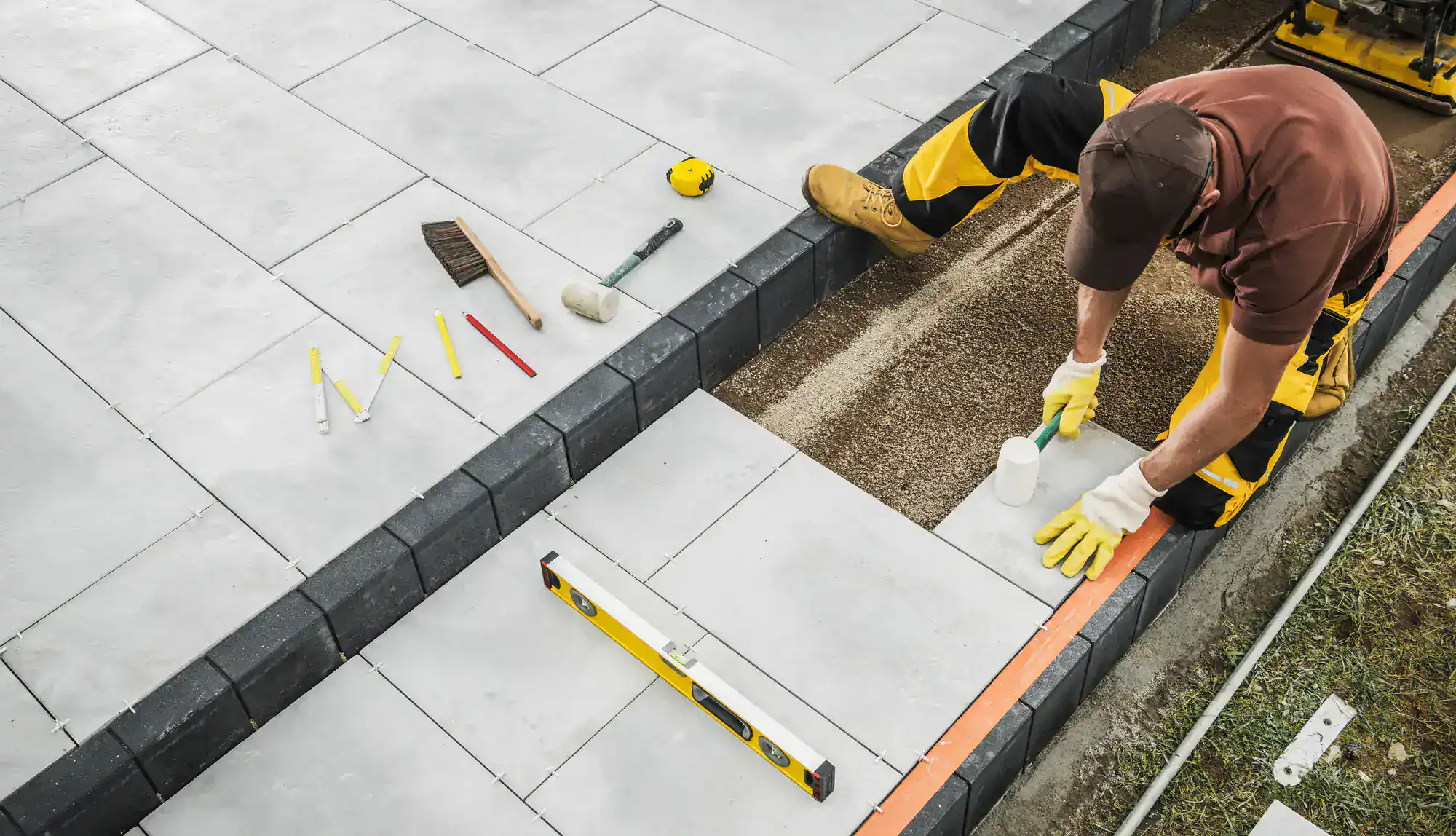
A worker wearing gloves and a cap is laying outdoor pavement tiles on a sand base in CA, using tools such as a spirit level, hammer, brush, tape measure, and pencils—showcasing expert General Contractor Services Bay Area.

Guest Quarters Small Living Space Conversion

The Numbers That Actually Matter

Junior secondary units in our local region typically require a specific investment range to complete. That is roughly half of what you would commit to a standalone backyard cottage. The savings come from working within your current home’s footprint. There is no new foundation to pour, no roof to frame, and no long utility lines to dig and connect.

The work focuses on transforming the interior—building out the space, adding a compact kitchen, updating power and plumbing as needed, and installing final touches. Approval timelines move much faster as well. State law requires cities to process these applications within two months of receiving complete plans. Compare that to the lengthy reviews common for brand-new construction.

Most of our projects move from the first meeting to the final checkup in just a few months total. You aren’t waiting an entire year to use the space or start earning income. The official fee structure also favors these smaller units. State regulations exempt them from development and school impact fees that can add a massive amount to standard permits. You still cover the building permit and necessary inspections, but you avoid the extra charges that make larger projects costly before construction even begins.
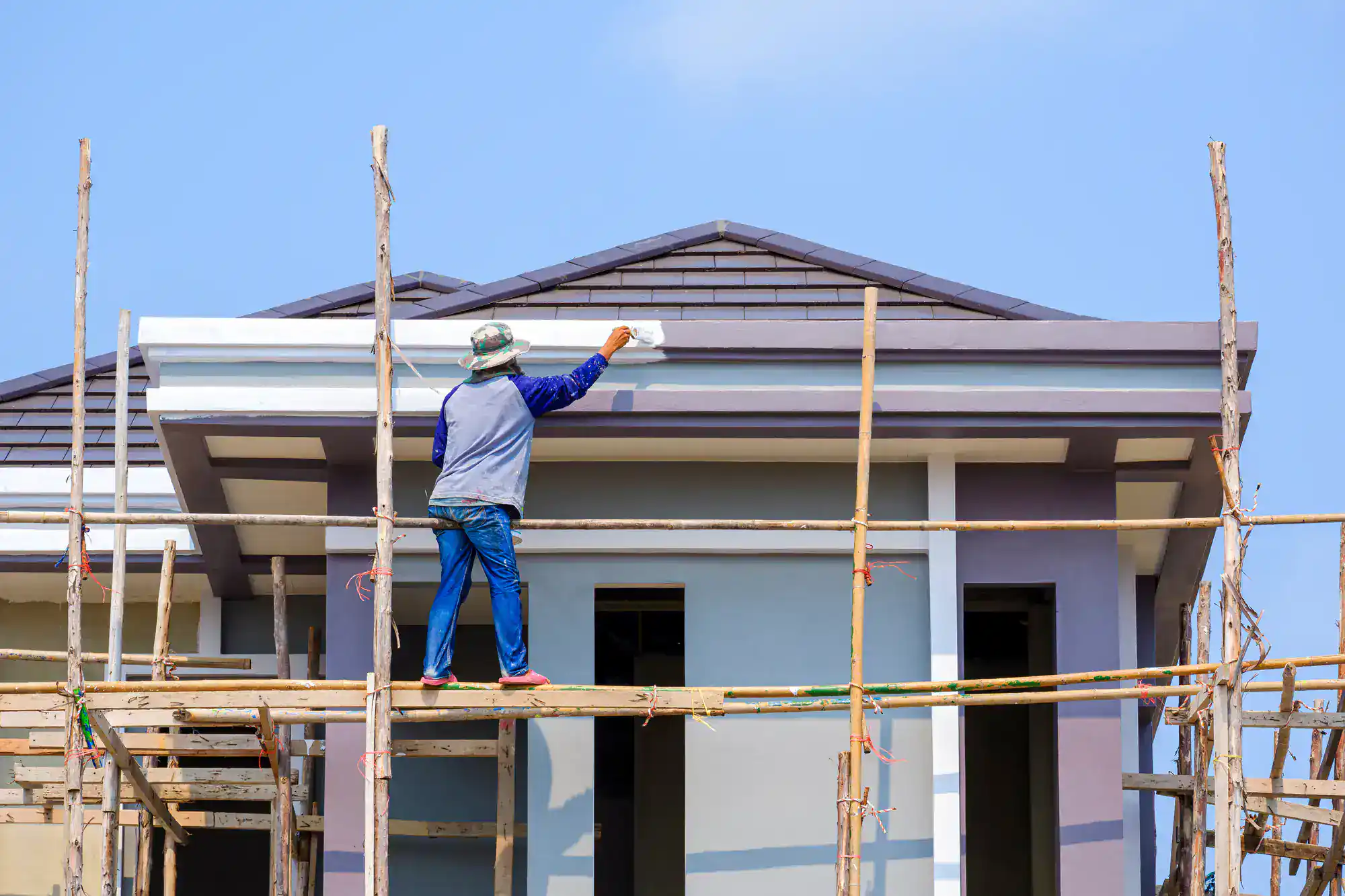
A construction worker standing on scaffolding paints the exterior of a modern house under a clear blue sky, showcasing the quality and expertise of General Contractor Services Bay Area, CA.

Junior ADU Requirements California Regulations

What Goes Into Your JADU Project

Every Junior ADU we build includes permit handling from start to finish. We prepare the plans, submit to your local building department, and manage all inspections. You get Title 24 energy compliance documentation, structural calculations if needed, and coordination with utility providers. The construction itself covers everything required to create a legal, permitted living space. We handle the efficiency kitchen installation with sink and cooking appliances. Bathroom work depends on your setup—JADUs can share facilities with the main house or include a separate bathroom. Either way, we make sure plumbing and electrical meet current code.

Your JADU needs its own exterior entrance, which we incorporate into the design. Interior connection to the main house stays in place. We frame out the space to create proper separation while maintaining the required access. Insulation, drywall, flooring, lighting, climate control—all the elements that make the space comfortable and functional year-round. Every project includes our dedicated project management. You get weekly progress updates with photos showing exactly where things stand. Site protection keeps your home clean during construction. We coordinate all trades and handle the inspection schedule so you don’t have to chase down different contractors or worry about missing required approvals.

Frequently Asked Questions

What's the difference between a Junior ADU and a regular ADU in California?
A junior secondary unit is limited in size and must be created within your home’s current structure—usually by transforming a bedroom or a portion of an attached garage. It only requires a compact kitchen area with a sink and basic cooking appliances, rather than a full-size kitchen with a standard range. These smaller units can share a bathroom with your main house, though you have the option to include a private one if you prefer. Regular secondary units can be much larger, can be standalone buildings, and must have entirely independent living facilities including a full kitchen and private bathroom. The investment difference is substantial. Junior units are much more affordable because you are simply repurposing existing space. Standalone cottages often require a much larger commitment because you are building from the ground up with a new foundation, roof, and utility lines. Junior units are also exempt from various development and school fees that add a significant amount to standard building permits. The tradeoff is the total square footage and layout flexibility, but for many local homeowners, a junior unit provides exactly what they need at a commitment level that makes sense.
Most Junior ADU projects take two to four months from initial consultation to final certificate of occupancy. The timeline breaks down into design and permitting, which typically takes four to eight weeks, and construction, which runs another four to eight weeks depending on the scope. California law requires cities to approve or deny JADU permit applications within 60 days of receiving complete plans, which keeps the permitting phase moving. The actual construction timeline depends on what you’re converting and what work is needed. A straightforward bedroom conversion with minimal plumbing work might finish in four to six weeks. Converting part of an attached garage with more extensive utility updates could take eight to ten weeks. We provide realistic timelines upfront based on your specific project. Our project managers coordinate all trades and inspections to keep things moving without gaps where nothing happens for weeks. You get weekly progress updates so you always know where the project stands. The key advantage of JADUs over detached ADUs is speed. You’re not waiting for foundation work to cure, framing to go up, and roofing to be installed. The structure exists. We’re finishing and converting space, which cuts months off the timeline compared to new construction.
California law requires owner-occupancy for properties with a Junior ADU, meaning either you or your tenant must live in the main house or the JADU—one of the two units needs to be owner-occupied. This is different from standard ADUs, which no longer have owner-occupancy requirements in most cases. The rule exists because JADUs share some facilities and connections with the primary residence. However, recent legislation (AB 1154) created an exception for JADUs that include a separate bathroom. If your JADU has its own bathroom rather than sharing with the main house, you may qualify for a waiver of the owner-occupancy requirement depending on your local jurisdiction’s implementation of the new law. The practical impact for most homeowners is straightforward. If you’re building a JADU to house aging parents or adult children, you’re already living on the property so the requirement doesn’t affect you. If you’re creating rental income, you’ll be living in your main house while renting the JADU. The restriction becomes relevant only if you want to rent out both your primary residence and the JADU simultaneously, which isn’t permitted under current JADU regulations. For that level of rental flexibility, a standard ADU makes more sense despite the higher cost.
Yes, you can convert an attached garage into a Junior ADU as long as the conversion stays within the 500-square-foot limit and meets local building codes. Attached garages work well for JADU conversions because they’re already part of your home’s structure and typically have vehicle access that can be converted to a separate entrance. The conversion process involves more than just finishing the interior space. You’ll need to bring the garage up to code for habitable living, which includes proper insulation, adequate ceiling height (typically 7.5 feet minimum), heating and cooling, windows that meet egress requirements, and proper electrical service. Many garages need floor leveling or moisture barrier work since they’re built for vehicles, not people. Plumbing is often the biggest variable. If your garage is far from existing water lines, running plumbing for the efficiency kitchen and bathroom can add cost. We evaluate the existing conditions during our initial assessment and let you know what’s involved before you commit. One consideration specific to garage conversions: some jurisdictions require replacement parking when you convert a garage to living space, even for JADUs. Contra Costa and Alameda County regulations vary by city, so we verify the specific requirements for your property. In many cases, you can satisfy parking requirements with a driveway space or street parking, but it’s worth confirming upfront to avoid surprises during permitting.
Junior secondary units in our local region typically require a specific investment range depending on the amount of work, the current condition of your space, and the quality of finishes you select. A simple bedroom transformation with minor plumbing updates represents the most accessible option. Converting a portion of an attached garage with more involved utility updates generally requires a mid-range commitment. Projects involving major structural changes, premium materials, or complex site layouts can reach the higher end of the spectrum. The total covers everything from design and engineering to permit fees, construction, materials, labor, and final checkups. We provide detailed projections that explain exactly where your resources are going. Permit costs for these smaller units remain lower than standard versions because state law exempts them from development and school fees that add a massive amount to larger projects. You will still cover the building permit fees, which change based on your city and project scale. Several factors influence the final total. The condition of your current space is key—updating a finished room is easier than a garage that needs a complete overhaul. The distance to your plumbing also matters, as running new lines adds complexity. Your choice of materials makes a difference too, as standard fixtures are more affordable than custom cabinetry. We offer flexible payment options, including programs for modern energy efficiency upgrades. Our special guarantee means no money down to start—you do not pay anything upfront, which removes the risk of losing deposits to someone who doesn’t finish the job.
An efficiency kitchen for a Junior ADU must include a sink with running water, food preparation counter space, storage cabinets, and cooking facilities, but it doesn’t require a full-size range or oven like a standard ADU kitchen. The exact definition of “efficiency kitchen” is left to local jurisdictions, so requirements can vary slightly between cities in Contra Costa and Alameda Counties. Most building departments accept a setup that includes a small sink (typically 15 to 25 inches), a compact refrigerator, a microwave, and a two-burner cooktop or hot plate. Counter space for food prep and base cabinets for storage round out the requirements. Some jurisdictions allow all cooking to be done with plug-in appliances rated for 120 volts, which simplifies electrical work. Others require at least one 240-volt circuit for a proper cooktop. We verify the specific requirements with your local building department before designing your JADU kitchen. The goal of the efficiency kitchen requirement is creating a functional space for basic meal preparation without the complexity and cost of a full kitchen. You’re not installing a commercial-grade range or a full suite of built-in appliances. The setup works well for the intended use—aging parents who need independence, adult children saving for their own place, or renters looking for affordable housing with basic cooking capability. During our initial consultation, we walk you through what’s required for your specific jurisdiction and show you options that meet code while fitting your budget. The efficiency kitchen typically represents a fraction of the total project cost compared to the structural work, bathroom updates, and finish carpentry involved in creating a complete JADU.

Property Assessment and Planning

We evaluate your existing space, discuss your goals, and determine what’s feasible within JADU regulations and your budget.

Design and Permit Submission

Our team creates compliant plans, handles all permit applications, and coordinates with your local building department for approval.

Construction and Final Inspection

We build your JADU with weekly updates, manage all inspections, and deliver a finished, permitted unit ready for occupancy.
Scroll to Top