General Contractor in Lexington Hills, CA
Mountain Homes in Lexington Hills Demand More Than a Standard Contractor

Hear from Our Customers

Residential Construction in Lexington Hills
Most contractors treat every job the same regardless of where it is. That works fine in a flat suburban neighborhood with city water, a municipal permit office down the street, and a straightforward driveway. Lexington Hills is none of those things. When a contractor doesn’t understand that, you feel it — in delays, in code violations caught at final inspection, in change orders you never saw coming.
When your contractor actually knows what they’re walking into in Lexington Hills, the project runs differently. We’ve already accounted for the Santa Clara County permitting process — not a city building department, but the county’s Department of Planning and Development, which operates on its own timeline and its own requirements. We know that if your project adds a bathroom or square footage, the county’s Department of Environmental Health is going to want a look at your septic system before anything moves forward. That’s not a surprise — it’s just part of working in this area.
And because Lexington Hills sits in a designated Wildland-Urban Interface fire hazard zone, roofing materials, vents, and exterior construction all have to meet California Building Code Chapter 7A requirements. We hold both a Class B General Building Contractor license and a C-39 Roofing Contractor license — meaning the fire-rated roofing work isn’t handed off to a subcontractor. It’s handled by our team managing your entire project, under one license, one contract, and one point of accountability.
Licensed General Contractor Serving Lexington Hills
We built DoPro Construction around a simple observation: too many Bay Area homeowners were getting burned by contractors who overpromised, underdelivered, and disappeared after collecting a deposit. Our team has over 40 years of combined construction experience — and we started this company specifically to be the alternative to that pattern.
The Never Get Burnt Guarantee reflects that directly. California law allows contractors to collect up to $1,000 or 10% of the contract upfront. We require nothing. You don’t pay until the work earns it. That’s a meaningful commitment when your project budget is $200,000 or more — which is common for the kind of work Lexington Hills properties call for.
We serve the broader Bay Area, including Santa Clara County’s unincorporated mountain communities like Lexington Hills, Redwood Estates, and Chemeketa Park. If you’re on a private road off Highway 17 with a septic system and a view of Lexington Reservoir, we’ve worked in your world before. BBB accredited, CSLB dual-licensed, and ranked in the top 4% of all licensed contractors in California by BuildZoom — our credentials are verifiable, not just claimed.
Home Renovation Process in Lexington Hills
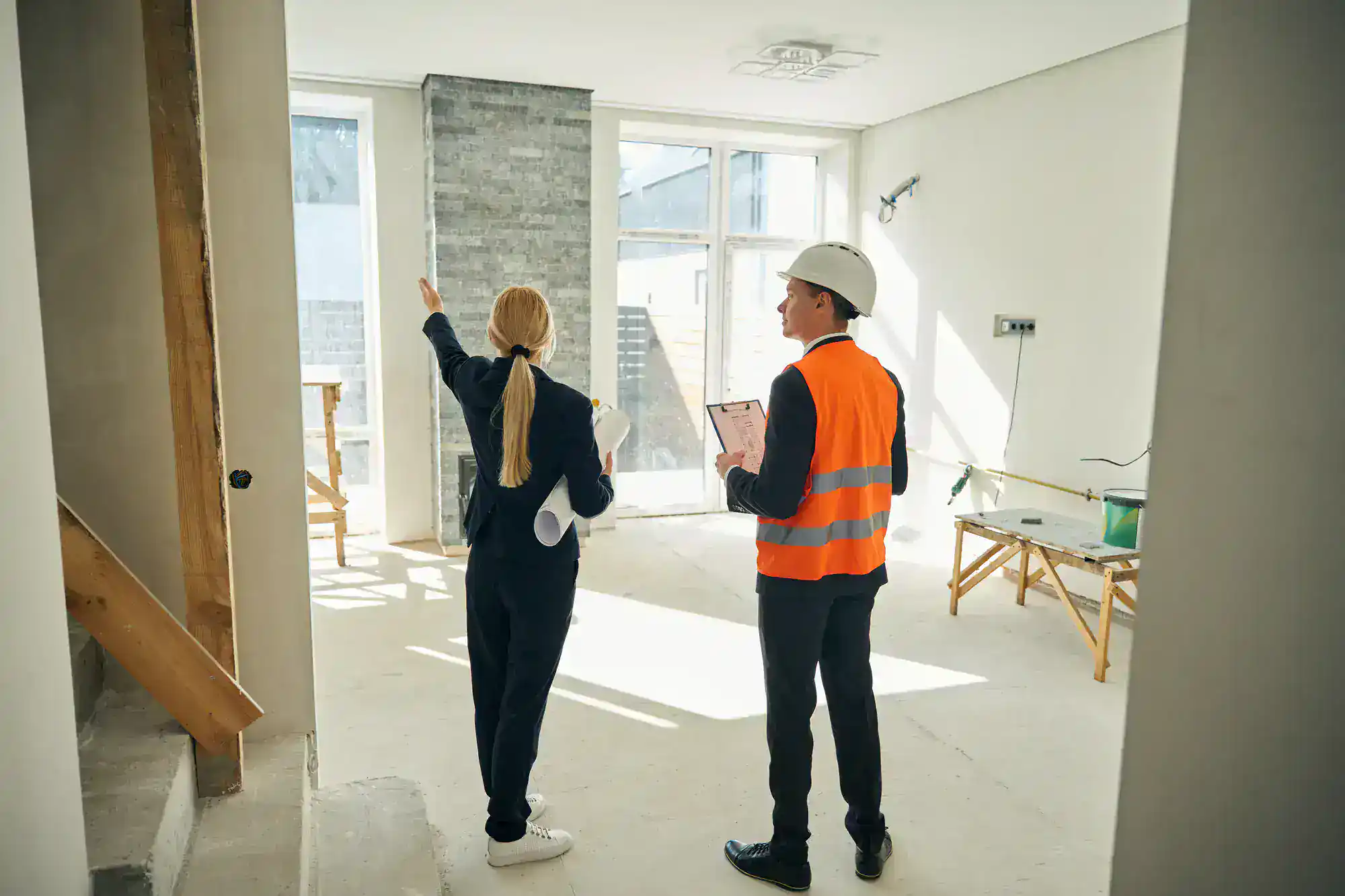
It starts with a conversation, not a sales pitch. Our team will ask about your project, your property, and your goals — and we’ll flag anything specific to your Lexington Hills location that affects scope, timeline, or cost before you’ve committed to anything. If your property is on a septic system, that conversation includes a realistic look at what the county’s OWTS review process will require and how it fits into your timeline.
Once the scope is agreed on, we handle the permit applications. For Lexington Hills properties, that means filing with Santa Clara County’s Department of Planning and Development — not a city office. If your project triggers a septic review, we coordinate that with the county’s Department of Environmental Health as well. You don’t have to figure out which agency handles what. That’s already built into our process.
During construction, you have a dedicated project manager — one person who knows your project and communicates with you weekly. Material deliveries, crew scheduling, and site access are all planned with your property’s specific road and terrain in mind. When the work is done, we walk the finished project with you before anything is signed off. Optional professional cleaning is available at completion. No radio silence, no surprises, and no upfront payment required to get started.
Ready to get started?
Construction Services for Lexington Hills, CA
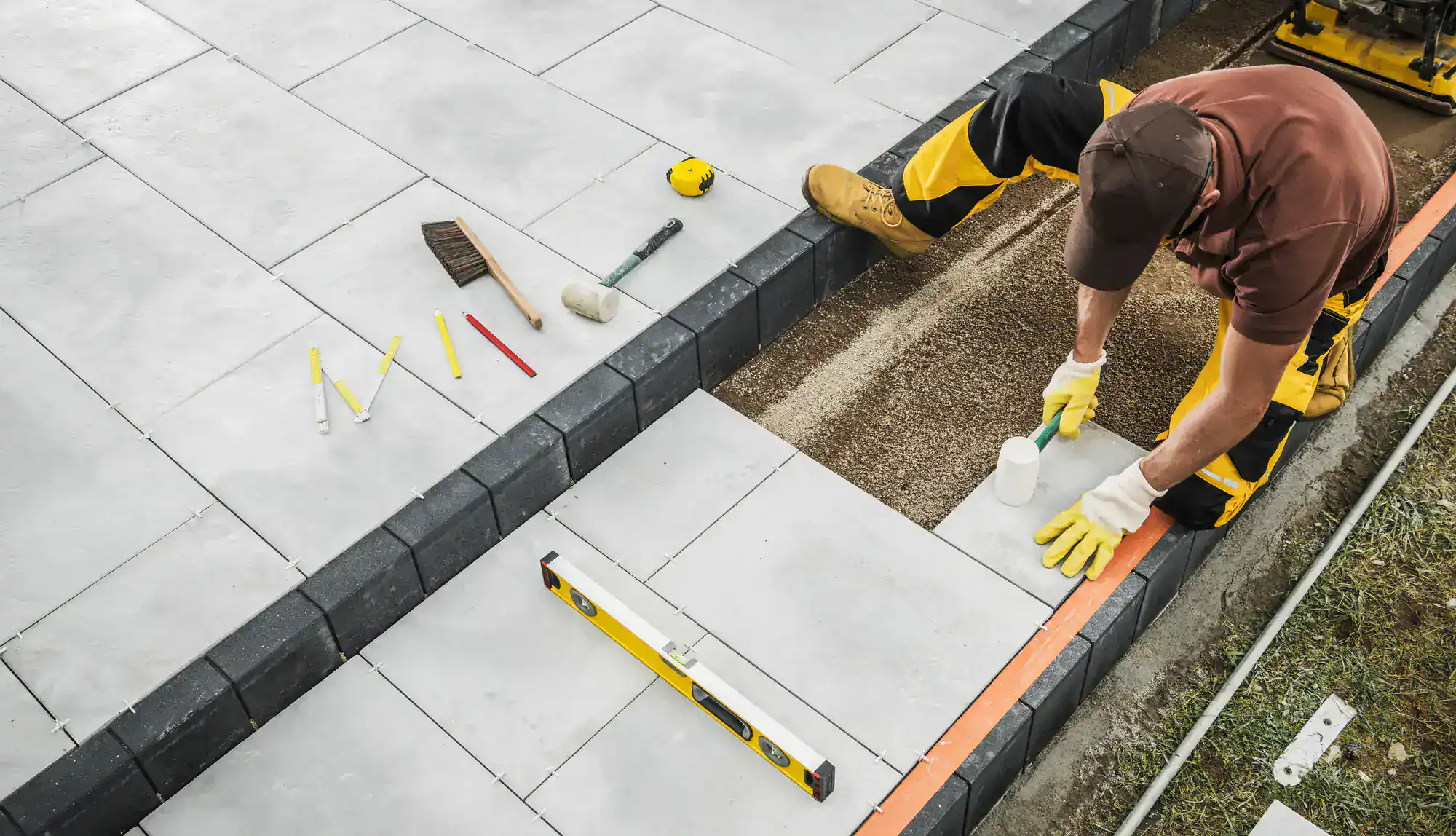
We handle the full scope of residential construction and renovation — kitchen remodels, bathroom renovations, ADUs, home additions, roofing, hardscaping, painting, flooring, and more. Because we hold both a general building contractor license and a roofing license through the CSLB, none of that work gets handed off to an unvetted subcontractor. It all runs through our team, one contract, and one warranty.
For Lexington Hills homeowners specifically, ADU construction deserves a direct conversation. Santa Clara County’s pre-approved ADU program explicitly excludes properties in the Wildland-Urban Interface — which means your ADU requires a full custom plan review, not the streamlined process available in lower-risk zones. Detached ADUs are capped at 1,200 square feet under county rules, and any ADU that adds a bathroom triggers a mandatory OWTS/septic evaluation. Construction costs for detached ADUs in Santa Clara County typically run $300,000 to $550,000 or more depending on site complexity — and hillside builds in areas like Redwood Estates or Chemeketa Park can push higher. Our pricing is written out in full before any work begins, so you know exactly what you’re investing and why.
Flexible financing is available through Service Finance LLC for homeowners who want to move forward without drawing down savings or a HELOC all at once. A well-executed renovation on a Lexington Hills property — already valued between $700,000 and $2.4 million — is a measurable return on investment, not just a lifestyle upgrade.

Do I need a special permit to renovate my Lexington Hills home?
Yes — and the permitting process here works differently than it does in Los Gatos proper or anywhere else in Santa Clara County that’s incorporated. Because Lexington Hills is an unincorporated community, your building permits are issued by the Santa Clara County Department of Planning and Development, not a city building department. That means you’re working within the county’s review system, which has its own timelines, its own submittal requirements, and its own inspection process.
For projects that involve structural changes, additions, electrical, plumbing, or mechanical work, a permit is required. If your project adds square footage or a new bathroom — common in ADU builds or home additions — you’ll also need a separate review from the Santa Clara County Department of Environmental Health to evaluate your septic system’s capacity. We handle both permit tracks as part of every project, so you’re not navigating two county agencies on your own while also trying to manage a construction timeline.
Can I build an ADU on my property if I'm on a septic system?
You can, but it requires an additional step that catches a lot of Lexington Hills homeowners off guard. Any ADU that adds a bathroom or increases the wastewater load on your property triggers a mandatory Onsite Wastewater Treatment System review by the Santa Clara County Department of Environmental Health. That review typically requires a current Septic Pumper’s Report — usually within the last three years — and may also require soil testing. In some cases, the existing septic system needs to be expanded or replaced before the ADU can be approved.
This is not a dealbreaker, but it does affect your timeline and your budget. If your septic system is older or hasn’t been recently inspected, it’s worth getting that information early — before you’ve finalized your ADU design — so you’re not redesigning mid-project. We coordinate the OWTS review as part of the ADU project scope, which means the septic evaluation runs parallel to the design and permitting process rather than stalling it.
What roofing materials are actually required in a fire hazard zone?
Lexington Hills sits within a designated Wildland-Urban Interface fire hazard zone, which means California Building Code Chapter 7A applies to your property. Under Chapter 7A, roofing materials must meet a Class A fire resistance rating — the highest available. Beyond the roofing material itself, ember-resistant vents are required, and certain exterior construction elements like eaves and soffits have to meet specific ignition-resistant standards as well. These aren’t optional upgrades — they’re code requirements enforced at inspection.
What this means practically is that a roofing replacement on a Lexington Hills home is not the same job as a roofing replacement on a flat suburban property in San Jose. The material selection, the vent detailing, and the installation all have to comply with WUI standards. We hold a C-39 Roofing Contractor license in addition to our general contractor license, which means roofing work is handled by our licensed team — not subcontracted out — and WUI compliance is built into the project from the start, not patched in after the fact.
How much does a home addition or remodel typically cost in Lexington Hills?
Costs in the Santa Cruz Mountains run higher than flat suburban areas for a few concrete reasons. Material delivery to properties accessed via long, narrow mountain roads takes more time and more planning. Steep terrain can require additional site preparation, retaining walls, or engineered foundations that a standard suburban lot doesn’t need. And because Lexington Hills is in a WUI fire hazard zone and an unincorporated county area, both the materials and the permitting process carry additional requirements that add to the overall scope.
For ADUs in Santa Clara County, construction costs typically range from $375 to $550 per square foot for standard builds, with complex hillside builds running $700 per square foot or more. Full detached ADUs commonly come in between $300,000 and $550,000 depending on size and site conditions. Kitchen and bathroom remodels vary widely based on finish level and structural changes involved. We provide a full written scope before any work begins — no vague estimates that balloon into something else once the project is underway.
How long does a typical residential construction project take in this area?
Timeline depends heavily on the type of project and how early the permitting process gets started. For Lexington Hills properties, the permitting phase alone can add weeks to a project that might move faster in a city with a streamlined municipal permit office. Santa Clara County’s Department of Planning and Development handles unincorporated area permits, and if your project also triggers an OWTS/septic review, that runs through a separate county department with its own timeline. Getting both processes started early — and in parallel where possible — is one of the most important things a contractor can do to keep a project on schedule.
Beyond permitting, seasonal timing matters in Lexington Hills more than it does in most Bay Area communities. The winter rainy season typically runs November through March and can affect exterior work — roofing, siding, decking, and hardscaping are all better started before the rains arrive or after they’ve passed. We build seasonal timing into the project plan from the beginning, so you’re not caught with an unfinished roof heading into a wet December.
How do I know a contractor actually understands Lexington Hills versus just saying they serve the area?
It’s a fair question, and the answer usually shows up in the first conversation. A contractor who genuinely knows Lexington Hills will bring up the county permitting system without being prompted. They’ll ask about your septic system if you’re adding square footage. They’ll mention WUI compliance when roofing comes up. They’ll acknowledge that your driveway access affects material delivery logistics. These aren’t things you’d think to ask about — but a contractor who’s worked in this area knows they matter.
Our credentials are publicly verifiable: CSLB dual license at cslb.ca.gov, BBB accreditation, and a BuildZoom score of 110 — which places us in the top 4% of all 336,931 licensed contractors in California. That score is calculated by BuildZoom’s algorithm based on permit history, license standing, and project track record — not self-reported. For a Lexington Hills homeowner who’s used to doing real research before making a significant financial decision, those are the kind of third-party signals that mean something. The Never Get Burnt Guarantee — zero upfront payment required — means you’re not taking a financial risk just to find out whether the contractor is the real thing.
Other Services we provide in Lexington