Summary:
Most bathrooms in Glenmor weren’t designed with modern living in mind. They were built decades ago, and while the bones of the house may still be solid, the bathroom often tells a different story — outdated tile, poor lighting, a layout that just doesn’t flow. If you’ve been tolerating it for years, you’re not alone.
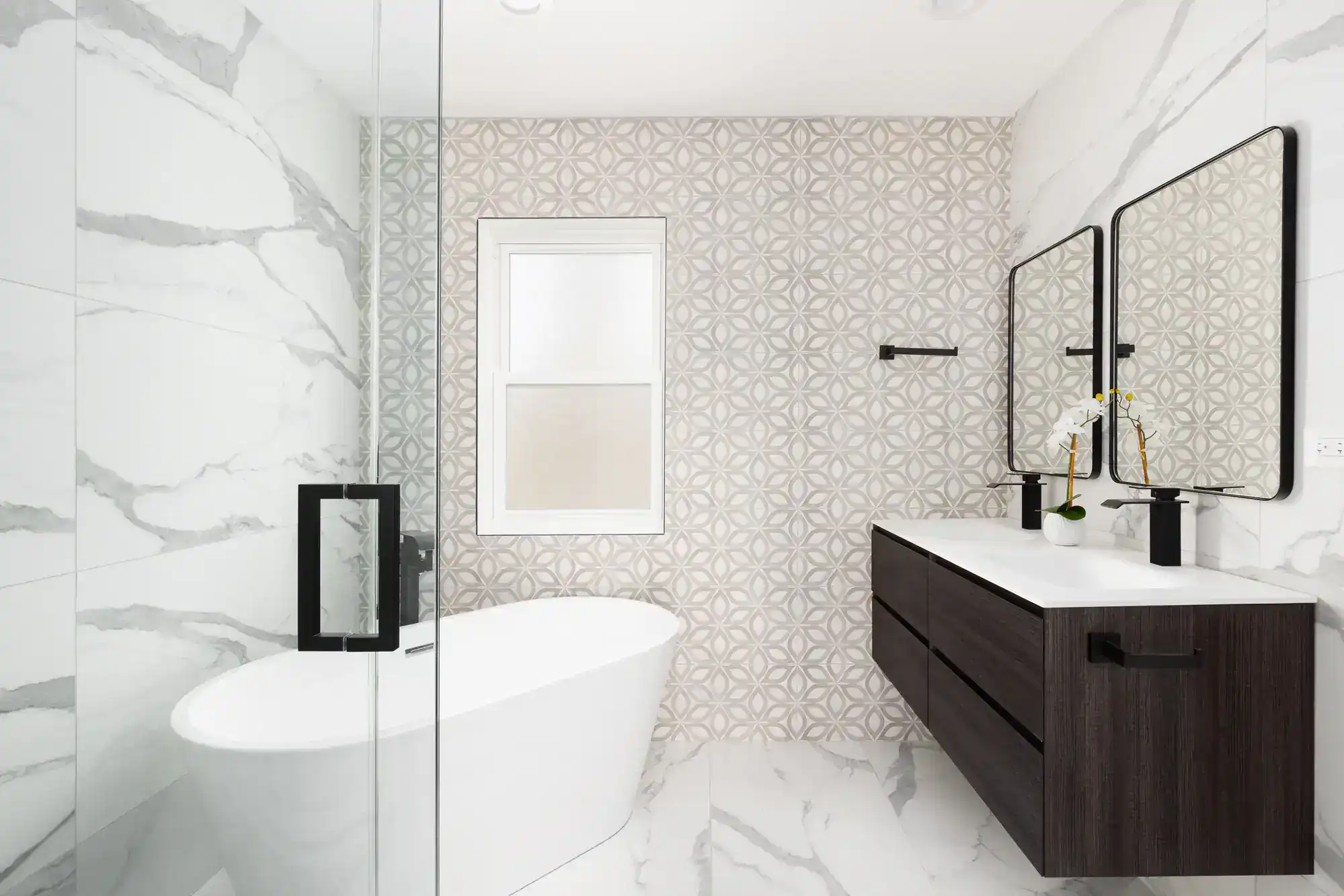
A bathroom remodel done right changes more than the aesthetics. It changes how you start your morning, how the space functions for your family, and what your home is worth when the time comes to sell. This page covers what goes into a well-designed bathroom, what the remodeling process actually looks like, and what to watch for when you’re ready to hire.
What Makes a Bathroom Remodel Worth the Investment
A bathroom remodel ranks as the number one most requested home improvement project nationally — and in Glenmor and throughout Contra Costa County, the reasons are especially clear. Homes here were largely built between the 1950s and 1980s. That means most bathrooms are working with original plumbing layouts, outdated fixtures, and tile that hasn’t aged gracefully.
Beyond looks, there’s real financial logic here. A mid-range bathroom remodel typically recoups 60 to 70 percent of its cost at resale — and in a market where Concord-area home values regularly sit above $600,000, that return matters. More immediately, an updated bathroom is something you benefit from every single day.
How to Balance Style and Function in a Bathroom Remodel
This is where most homeowners get stuck. You’ve saved photos on Houzz or Pinterest, you have a vision, but you’re not sure what’s realistic for your space or your budget. The good news is that style and function don’t have to compete — when a remodel is planned well, they reinforce each other.
Start with how the bathroom actually gets used. A master bath for two adults has different needs than a shared hall bathroom for a family with kids. Storage, counter space, lighting zones, and shower size should all reflect real daily habits, not just what looks good in a photo.
Walk-in showers have overtaken tubs as the most requested feature in bathroom remodels, and for good reason — they’re easier to clean, more accessible as you age, and can make a smaller bathroom feel significantly more open. That said, if you have young children or genuinely use a soaking tub, keeping it makes sense. The goal is to design for your actual life.
Lighting is one of the most underestimated parts of a bathroom remodel. Task lighting at the vanity eliminates shadows and makes everyday routines easier. Layering that with ambient overhead lighting and, where possible, natural light from a window or skylight creates a space that feels both functional and considered. California’s Title 24 energy code also requires energy-efficient lighting in remodeled bathrooms, so there’s a practical reason to think this through carefully from the start.
Storage is another area where small decisions make a big difference. Recessed medicine cabinets, built-in niches in the shower wall, and vanities with well-organized drawers all contribute to a bathroom that stays functional without feeling cluttered. These aren’t luxury add-ons — they’re design choices that pay off every morning.
Why Bathroom Ventilation Is a Bigger Deal Than Most People Realize
Ventilation doesn’t come up much in design conversations, but it should — especially in Glenmor, where the wet season runs from November through March and moisture buildup in poorly ventilated bathrooms leads to mold, ceiling staining, and long-term structural damage.
A surprising number of older homes in Glenmor either have no exhaust fan at all, or have one that’s vented into the attic instead of to the exterior. Both situations are code violations under current California standards, and both create real problems over time. Mold in a bathroom isn’t just an aesthetic issue — it affects air quality throughout the home and can become expensive to remediate.
A properly sized exhaust fan, vented directly to the exterior, is one of the most cost-effective upgrades you can include in a bathroom remodel. California’s Title 24 requirements mandate adequate ventilation in remodeled bathrooms, so it’s not optional — but beyond compliance, it’s genuinely protective of your investment. New fans are also significantly quieter and more energy-efficient than what most older homes are working with.
We treat ventilation as a built-in part of every bathroom remodel rather than an afterthought. When we open up walls and ceilings, we assess the existing system, identify any code issues, and install what’s actually needed for the space. It’s a detail that most contractors skip over, but one that protects your bathroom — and your home — for the long run.
The dry summers in Contra Costa County bring their own challenges too. Heat causes older caulk and grout to crack and pull away from surfaces, which lets moisture in behind tile and into wall cavities. If you’ve noticed cracking grout or soft spots near the tub or shower, that’s not just cosmetic — it’s a sign that water may already be doing damage you can’t see. Addressing it as part of a full remodel is almost always more cost-effective than patching it repeatedly over the years.
What the Bathroom Remodeling Process Actually Looks Like
One of the biggest sources of anxiety for homeowners isn’t the design — it’s the process. Who’s coming into your home, when, and for how long? What happens if something unexpected turns up inside the walls? These are fair questions, and the answers matter.
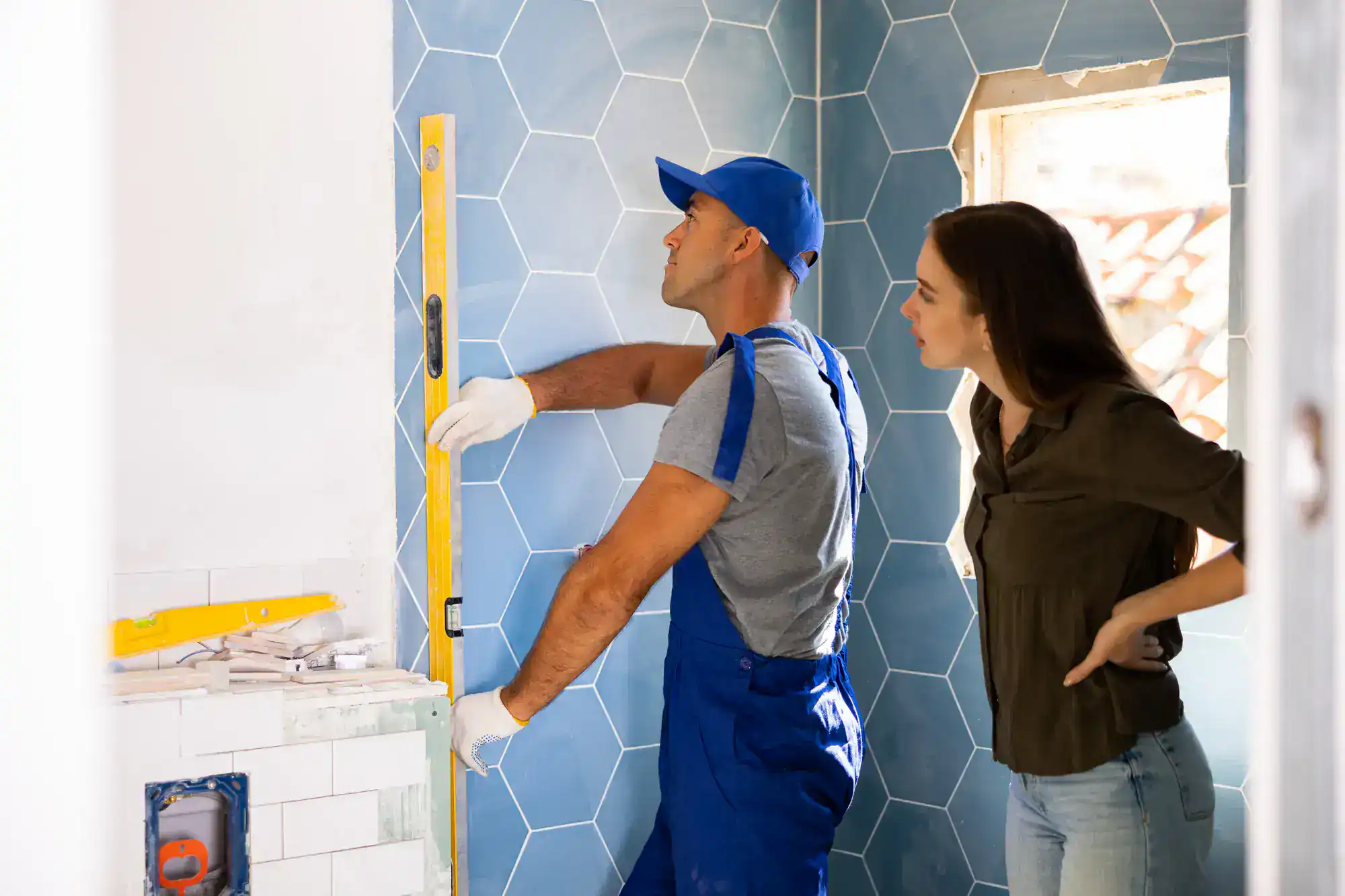
A well-run bathroom remodel follows a clear sequence: design and material selection, permitting, demolition, rough-in work (plumbing, electrical, ventilation), waterproofing and substrate installation, tile and fixture installation, finish work, and final inspection. When each phase is properly coordinated, most full bathroom remodels wrap up in two to four weeks.
Do You Need a Permit for a Bathroom Remodel in Glenmor, CA?
Yes — and it’s worth understanding why that’s actually a good thing. In Glenmor and throughout Contra Costa County, bathroom remodels that involve changes to plumbing, electrical work, or structural elements require permits through the appropriate local authority, whether that’s the City of Concord Building Division or the Contra Costa County Building Inspection Division.
Permits exist to protect you. When work is inspected and approved, you have documented proof that it was done to code. That matters when you sell your home — unpermitted work is a red flag for buyers and can complicate or kill a sale. It also matters for your homeowner’s insurance, which may not cover damage caused by unpermitted work.
Some contractors skip permits to save time or avoid scrutiny. That shortcut benefits them, not you. We pull all required permits on every project and coordinate all inspections as part of our standard process. You shouldn’t have to think about it — and with us, you don’t.
For homeowners in Glenmor specifically, this is worth paying attention to. Contra Costa County has a robust real estate market, and buyers here are increasingly savvy about checking permit history before closing. A bathroom remodel with a clean permit record is an asset. One without it is a liability.
Beyond the legal side, permits also mean a third-party inspector reviews the plumbing and electrical before walls are closed. That’s a layer of quality control that benefits you directly, regardless of how much you trust your contractor.
How to Choose a Bathroom Remodeling Contractor You Can Actually Trust
This is where the process gets personal — and where most homeowners feel the most uncertain. The Bay Area construction market has no shortage of contractors, but the range in quality, licensing, and professionalism is enormous. Knowing what to look for makes the difference between a project you’re proud of and one you’re still dealing with years later.
Start with licensing. In California, any contractor performing work valued at $500 or more must hold a valid CSLB license. You can verify any contractor’s license status in minutes at cslb.ca.gov. If a contractor can’t give you a license number, that’s your answer. The CSLB estimates that unlicensed contractors cost California homeowners hundreds of millions of dollars annually — and the Bay Area is not immune.
Ask about payment terms early. A contractor who requires a large upfront deposit before work begins is a risk. We operate under our “Never Get Burnt Guarantee,” which means no upfront payments are required. You don’t pay before work begins — full stop. That policy exists because we believe your financial protection matters more than our cash flow convenience.
Look for specificity in how a contractor describes their process. Vague answers about communication and timelines are a warning sign. Ask who your point of contact will be throughout the project, how often you’ll receive updates, and what happens if something unexpected is found during demolition. We assign a dedicated project manager to every project — a specific person who’s accountable for your job and gives you weekly progress updates throughout. You’re never left wondering what’s happening.
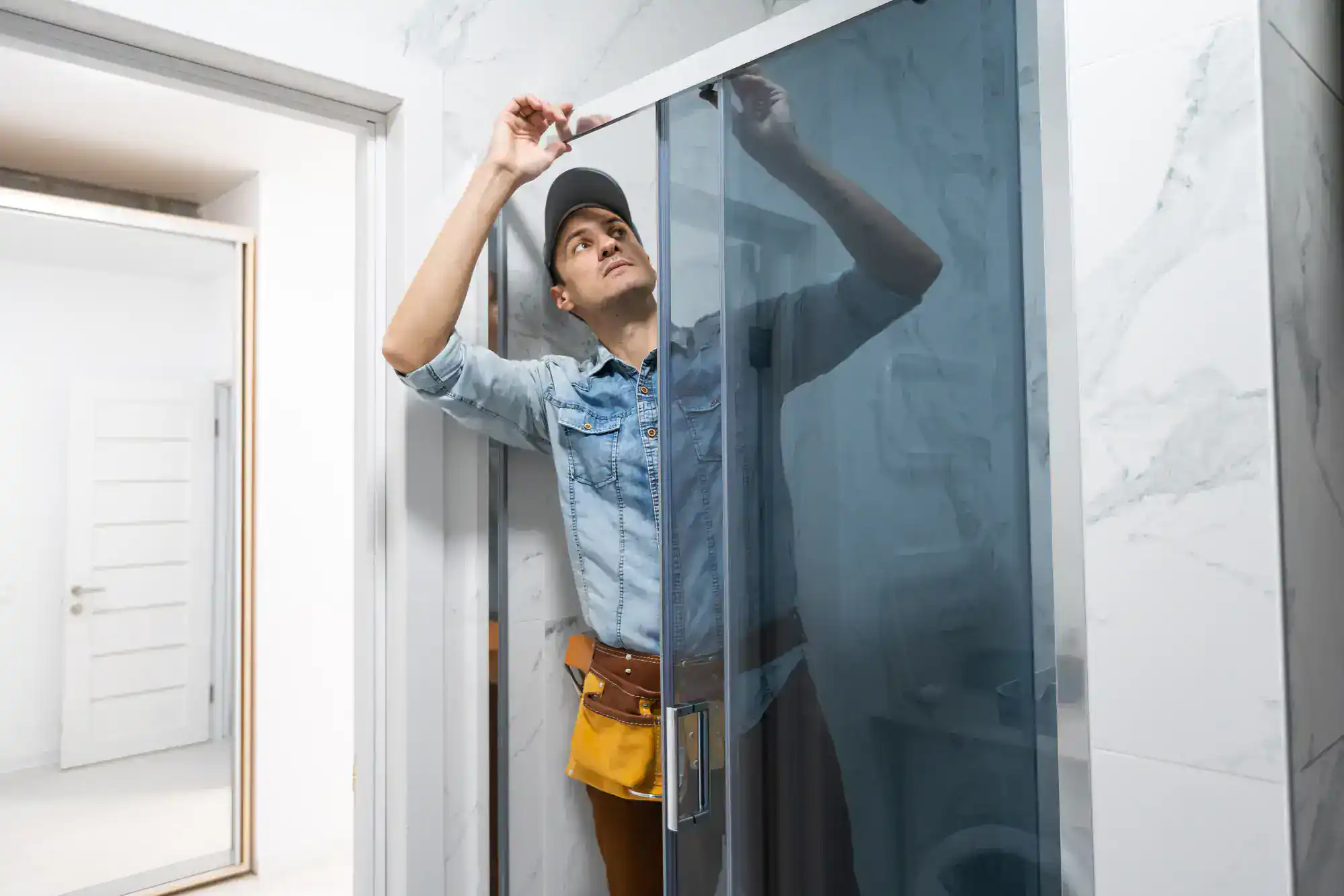
Finally, ask about site protection and cleanup. A bathroom remodel is disruptive by nature, but a professional crew minimizes that disruption. We use floor coverings, dust barriers, and furniture protection throughout the project, and we offer optional professional cleaning when the work is done. It sounds like a small thing, but walking back into a clean, finished bathroom rather than a construction site makes a real difference.
We also offer flexible financing options, including financing for energy-efficient upgrades. For a project that can run $20,000 to $45,000 in the Bay Area market, having payment flexibility means you can make the choices that are right for your home rather than settling for less.
Ready to Start Your Bathroom Remodel in Glenmor, CA?
A bathroom remodel is one of the more personal investments you’ll make in your home. It affects your daily routine, your comfort, and your property’s value — and getting it right requires more than good taste. It requires a contractor who understands the process, communicates clearly, and actually shows up.
The homes in Glenmor and across Contra Costa County have real character and real history. They also have bathrooms that, in many cases, are long overdue for an update. Whether you’re dealing with 1960s tile, a shower that’s never worked quite right, or a layout that just doesn’t make sense for your family, the right remodel can fix all of it — and do it in a way that lasts.
If you’re ready to have a real conversation about what your bathroom could look like, reach out to us. No pressure, no upfront costs — just a straightforward discussion about what you’re working with and what’s possible.
